






Putting the Numbers in Context
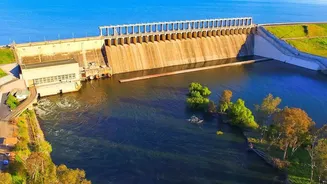
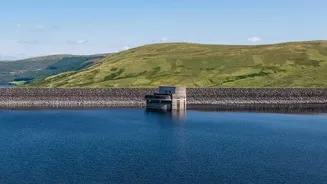
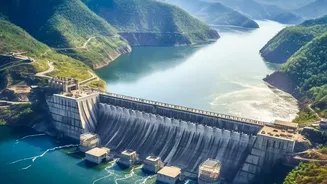
The 71.84% figure represents the combined live storage in 178 of India's most crucial reservoirs at the end of the monsoon season. While not disastrously low, it is significantly below both last year's levels and, more critically, the 10-year average
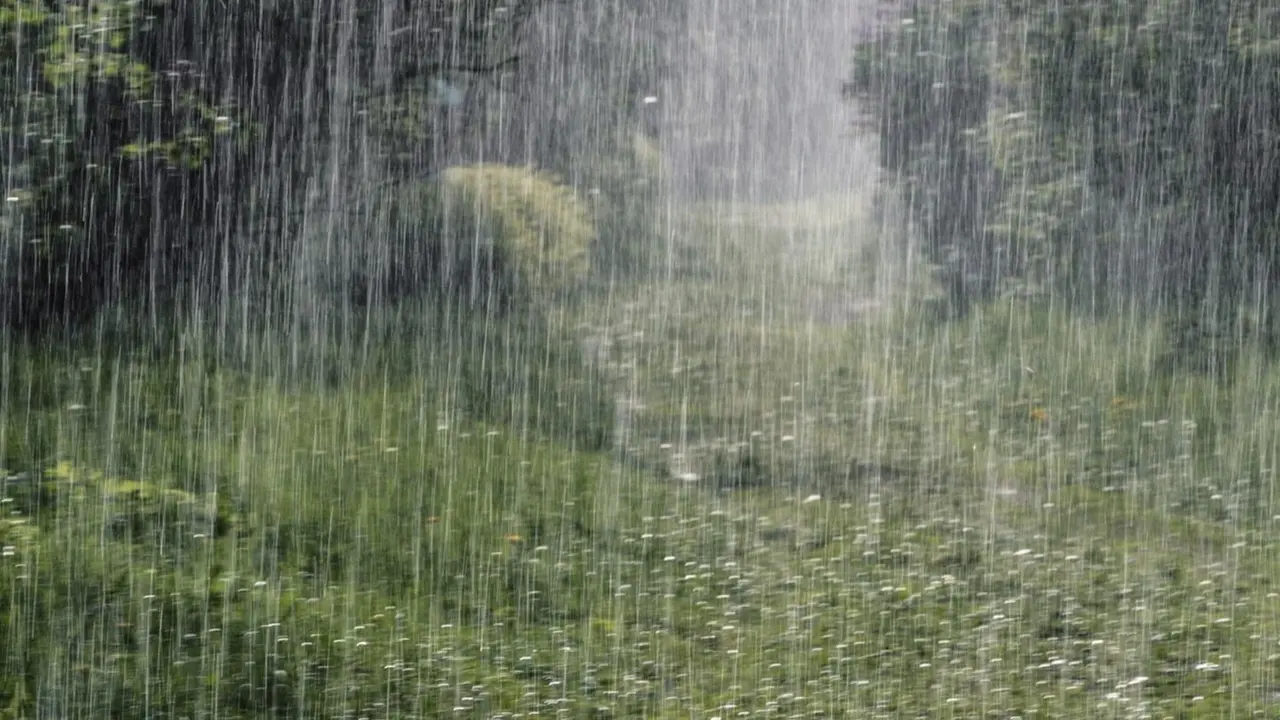
for this time of year. Data from the Central Water Commission (CWC) shows that current storage is substantially lower than the 166.856 billion cubic metres (BCM) recorded in 2025 and also trails the decade-long average of 151.118 BCM. This deficit is the direct result of a weak 2026 southwest monsoon, which ended with a nationwide rainfall shortfall of about 12.6%, the worst since 2015. This leaves India with a weaker water buffer as it heads into the dry post-monsoon months.
A Tale of Two Indias
The national average masks a sharp and worrying regional divide. The southern peninsula is the hardest-hit region, with a staggering rainfall deficit of 24%. Consequently, its reservoirs are holding only about 49.2% of their live capacity, a dramatic drop from 87.8% at the same time last year. States like Karnataka, Tamil Nadu, Andhra Pradesh, and Telangana are facing significant water stress. The northern region, including Punjab and Himachal Pradesh, is also feeling the pinch, with reservoir levels significantly below last year and the historical average. In contrast, Central India recorded near-normal rainfall, and the eastern region's reservoirs are actually holding more water than last year, despite a record-dry monsoon in the area since 1901.
The Impact on Farms and Food
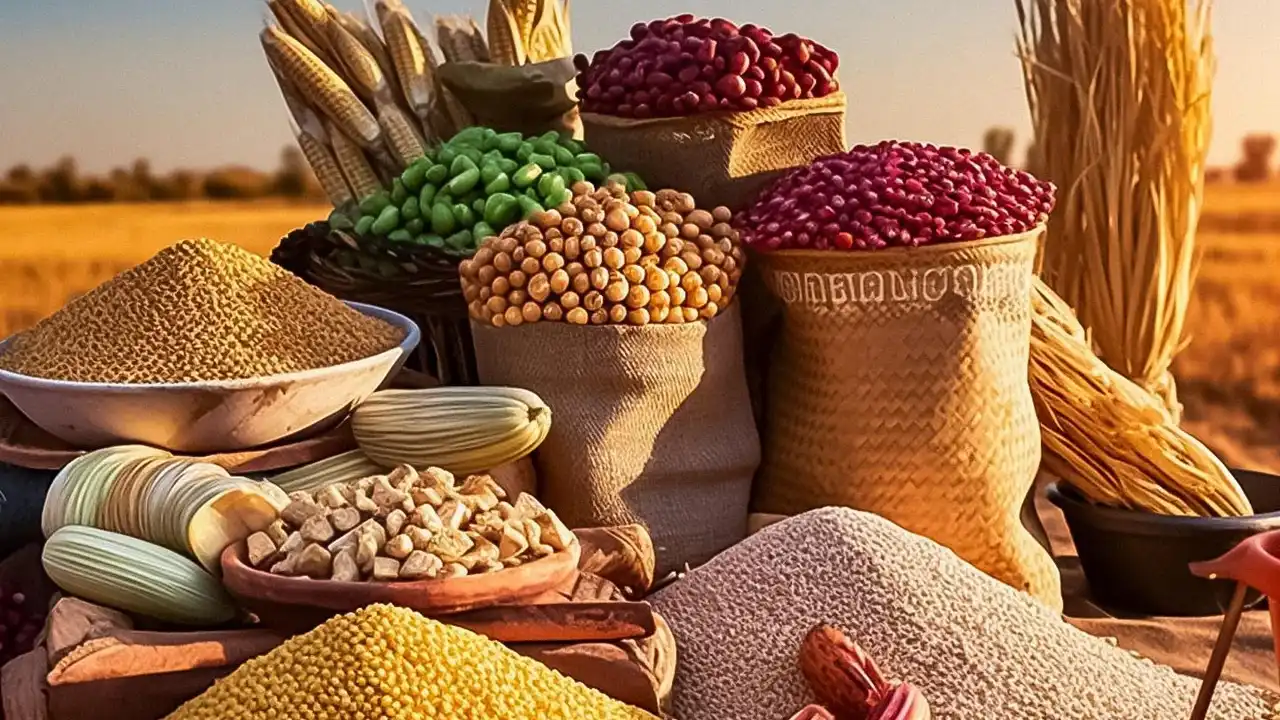
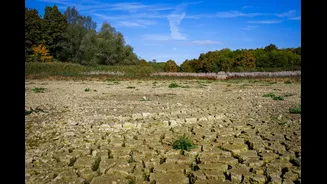
The most immediate concern is for the upcoming Rabi or winter cropping season, which is heavily dependent on irrigation from reservoirs and soil moisture. With depleted reservoirs and inadequate soil moisture, especially in the south and north, farmers face a difficult period. This could lead to delayed sowing, a reduction in the total area planted, and a shift away from water-intensive crops like rice and wheat towards less thirsty options like pulses and oilseeds. Both Karnataka and Maharashtra have already declared drought in a large number of their districts, with central government teams being dispatched to assess the damage. Experts warn that the situation could dampen rural demand and create upward pressure on food inflation.
Why the Monsoon Underperformed
The primary culprit behind the weak monsoon is a strengthening El Niño event in the Pacific Ocean. El Niño is a climatic pattern associated with the warming of sea surface temperatures, which can disrupt global weather, often leading to reduced rainfall in India. The 2026 El Niño is considered one of the strongest on record. The monsoon season itself was erratic; after a severely deficient June, rainfall rebounded in July before weakening again in August and September. This uneven performance failed to adequately replenish water sources across large parts of the country, particularly in the southern peninsula which saw its fourth-driest monsoon since 1901.