


Why This Happens Every Festive Season
The festive period brings a massive surge in demand for sweets, milk products like paneer and khoya, and cooking oils. To meet this rush and maximise profits, some unscrupulous producers resort to adulteration. In response, the Food Safety and Standards
Authority of India (FSSAI) and state food departments launch annual enforcement drives. Towards the end of September 2026, the FSSAI directed all states to intensify inspections, sampling, and surveillance, particularly for the Navratri and Diwali festivals. This is a recurring pattern; the headline's figure of over 5.2 lakh inspections in the 2025-26 period, while from a previous cycle, illustrates the enormous scale of this ongoing public health effort. These drives target manufacturing hubs, wholesalers, and markets identified as hotspots for counterfeit and unsafe food.
The Unsavory Ingredients to Watch For
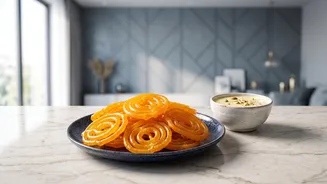
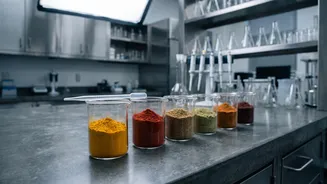
Inspectors are on the lookout for a specific list of high-risk items. Paneer and khoya (mawa) are frequently bulked up with starch, blotting paper, or even harmful chemicals like urea. Ghee is often adulterated with cheaper vanaspati (hydrogenated vegetable oil) or animal fats. Festive sweets, or mithai, can contain non-permitted, industrial colours like metanil yellow instead of edible food colouring. Cooking oils, especially mustard oil, are sometimes mixed with the highly toxic argemone oil, which can cause a severe condition known as epidemic dropsy. Recent raids in Delhi-NCR ahead of the 2026 festivities saw officials seize and destroy thousands of kilograms of suspected adulterated paneer and khoya, highlighting the prevalence of the issue.
Test Your Ghee and Oils at Home
You don't need a lab to perform simple checks. For ghee, melt about half a teaspoon in a transparent bowl. Add a pinch of sugar and a few drops of concentrated hydrochloric acid. If a crimson or pink colour appears in the bottom layer, it indicates the presence of vanaspati. To test oils for the dangerous argemone oil, add a few drops of nitric acid to a small sample and shake well. A reddish-brown colour in the acid layer is a red flag. These quick tests, recommended by FSSAI's DART (Detect Adulteration with Rapid Test) manual, can help you spot crude adulteration instantly.
How to Spot Fake Paneer and Khoya
Adulterated dairy products are a major concern. To check paneer or khoya for starch, take a small sample and boil it in a little water. After it cools, add a couple of drops of iodine solution (tincture of iodine). If the sample turns blue or black, it confirms the presence of starch. Pure khoya should have a grainy but oily texture and smell like ghee when rubbed on your palm. Adulterated khoya may feel unnaturally smooth or pasty. Another simple test is to boil a small piece of mawa with sugar; if it starts releasing water, it's likely adulterated.
Be a Vigilant Consumer
Beyond home tests, smart shopping habits are your first line of defense. Whenever possible, buy packaged goods with a clear FSSAI license number, manufacturing date, and expiry date. Be wary of sweets that are excessively bright or colourful, as they may contain industrial dyes. Trust your senses—if a product tastes or smells off, it's better to discard it. FSSAI also deploys 'Food Safety on Wheels' vans in many cities, which offer on-the-spot testing for consumers in prominent markets. If you suspect adulteration, you can file a complaint with your local food safety department or through FSSAI's channels. Always ask for a bill, as it serves as proof of purchase if an issue arises.