




A Perfect Fit for Small Spaces
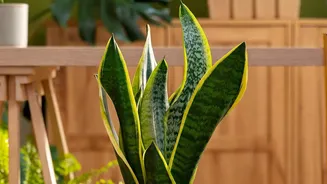
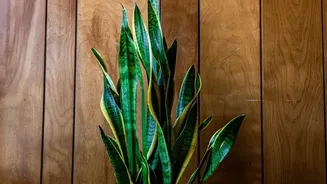
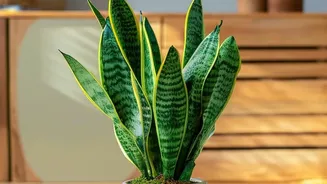
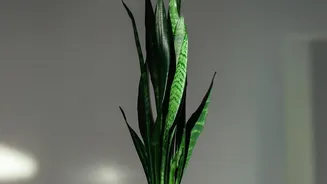
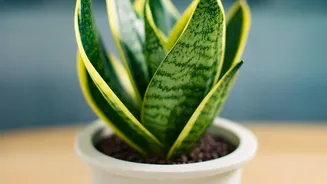
The most compelling feature of the snake plant, botanically known as Dracaena trifasciata, is its architectural form. Its leaves grow vertically, creating a strong upward line that draws the eye and adds a sense of height to a room without demanding precious
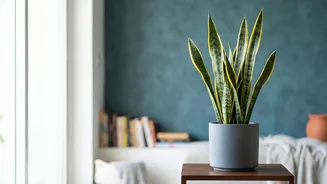
floor space. This makes it an ideal candidate for those awkward, empty corners that can't accommodate a wide, bushy plant. Varieties range from the classic Sansevieria trifasciata, with its sword-like leaves, to more compact 'bird's nest' types like Sansevieria hahnii. For corners, the taller cultivars are particularly effective. Their narrow footprint allows them to be tucked neatly beside a dresser or behind a reading chair, adding a splash of life where other plants simply wouldn't fit. Their dramatic, structural leaves serve as living art, complementing modern, minimalist, and contemporary design aesthetics perfectly.
The Ultimate Low-Maintenance Companion
Beyond its good looks, the snake plant is famous for being exceptionally forgiving, making it perfect for both new plant parents and busy individuals. Native to dry, rocky regions of Africa, it is a succulent that stores water in its leaves. This means it is highly drought-tolerant and susceptible to overwatering, which is the most common mistake in its care. You only need to water it when the soil is completely dry, roughly every 2-3 weeks in the summer and as little as every 4-6 weeks in winter. It is also not fussy about light. While it prefers bright, indirect sunlight, it can tolerate low-light conditions far better than most houseplants, making it a reliable choice for less-than-ideal bedroom placements. This resilience means you get all the aesthetic benefits of a houseplant without the constant worry.
Breathe Easier While You Sleep
What truly sets the snake plant apart for bedroom use is its unique respiratory cycle. Unlike most plants that release oxygen during the day, the snake plant performs a special type of photosynthesis called Crassulacean Acid Metabolism (CAM). This process allows it to open its pores and release oxygen at night while taking in carbon dioxide. This nightly oxygen boost can contribute to a fresher environment while you sleep. Furthermore, snake plants are known for their ability to filter common indoor air pollutants. A famous 1989 NASA study found they could absorb toxins like formaldehyde, benzene, and xylene from the air in a sealed environment. While a single plant won't single-handedly purify an entire room, it can certainly contribute to a healthier indoor ecosystem.
Styling and Variety Selection
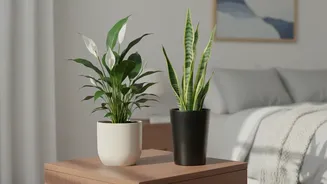
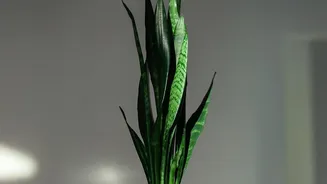
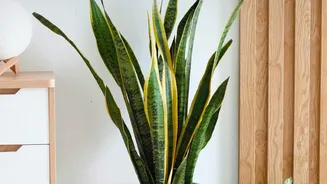
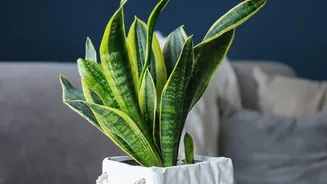
Styling a snake plant is straightforward. Its strong vertical lines look stunning in a simple, modern planter that complements your bedroom decor. A pot with a bit of height can further accentuate its upright form. Popular varieties for corners include the 'Laurentii', which has elegant yellow edges, and the sleek, dark green 'Zeylanica'. For a different texture, the 'Cylindrica' features round, spear-like leaves. When placing it, ensure it's not in a high-traffic area where its stiff leaves could be easily bumped or broken. Grouping a few snake plants of different sizes can create a dynamic, layered look in a larger corner. Ultimately, its minimalist appeal means it doesn't need much styling to make a significant visual impact; the plant itself is the statement.
An Important Note for Pet Owners
Despite its many benefits for humans, it is crucial for pet owners to know that the snake plant is toxic to cats and dogs. The plant contains compounds called saponins, which serve as a natural defense mechanism. If ingested by a curious pet, these saponins can cause gastrointestinal issues like nausea, vomiting, and diarrhea. While poisoning is rarely fatal and typically causes mild to moderate discomfort, it's a significant risk. To be safe, if you have pets that are prone to nibbling on plants, you should place your snake plant well out of reach—perhaps on a high plant stand—or consider opting for a pet-safe alternative altogether. If you suspect your pet has ingested any part of the plant, it is best to contact your veterinarian immediately for advice.