
Two Ancient Treasures
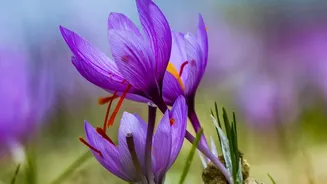
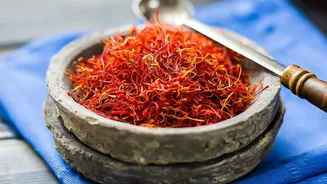
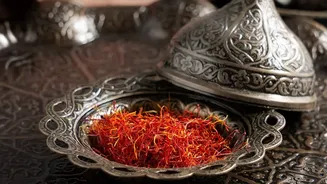
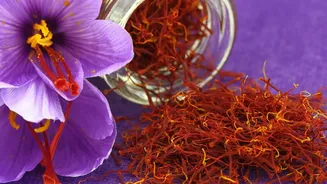
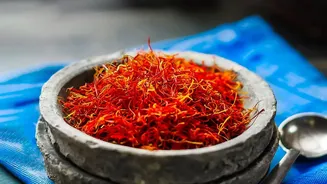
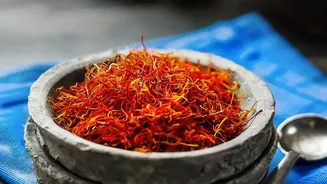
Both saffron and honey are ingredients steeped in history, valued for centuries not just for their flavour but for their perceived health benefits. Saffron, the golden-red stigmas of the Crocus sativus flower, is the world's most expensive spice, painstakingly
harvested by hand. Honey is nature's liquid gold, a complex sweetener whose profile changes dramatically based on the bees' floral diet. When they come together, they create a synergy that is more than the sum of its parts. This isn't just a simple mix of sweet and aromatic; it's a sophisticated partnership that balances, enhances, and transforms dishes from ordinary to extraordinary.
Saffron: Not Just a Pretty Colour
To understand the pairing, we first need to appreciate saffron's complexity. Its brilliant colour comes from a compound called crocin, but its soul lies elsewhere. The distinct, hay-like, and subtly floral aroma is thanks to safranal. Then there's picrocrocin, the compound responsible for saffron's characteristic flavour, which includes a sophisticated hint of bitterness. This trio of compounds makes saffron a multi-layered spice. It is earthy yet floral, pungent yet delicate. That touch of bitterness is key; without it, saffron's flavour profile would be less intriguing and far less versatile.
Honey: A Symphony of Sweetness
Honey is often pigeonholed as just being 'sweet', but that’s a disservice to its complexity. Depending on the nectar source—be it orange blossom, lavender, or buckwheat—honey can have a wide spectrum of tasting notes, from light and citrusy to dark and malty. Beyond its natural sugars, honey contains trace amounts of acids, minerals, and floral compounds that give it a unique personality. This inherent complexity allows it to act as more than just a sweetener. It can provide balance, depth, and complementary floral or fruity notes that other sweeteners like plain sugar simply cannot offer.
The Delicious Science of Synergy
So, why do they work so well together? It's a classic case of culinary harmony. The robust sweetness of honey provides the perfect counterbalance to the subtle, pleasant bitterness of saffron's picrocrocin. This balancing act prevents either flavour from dominating, allowing both to shine. Furthermore, saffron's primary aroma compound, safranal, is often described as having honey-like notes, creating a natural aromatic bridge between the two ingredients. The viscosity of honey also helps to carry saffron's delicate aroma and colour, distributing its essence evenly throughout a dish, whether it's a syrup, a glaze, or a marinade.
Sweet Harmony in Desserts
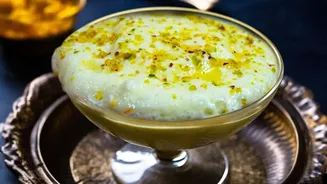
In the world of sweets, the saffron-honey pairing is a classic for a reason. Think of Middle Eastern baklava, where a saffron-infused honey syrup soaks into layers of flaky pastry and nuts, adding an aromatic depth to the intense sweetness. It’s the soul of decadent panna cotta, where the saffron's golden hue and earthy notes cut through the creaminess, and the honey provides a gentle, floral sweetness. Even something as simple as Greek yoghurt topped with figs is elevated to a gourmet treat when drizzled with saffron-infused honey, a testament to the duo's ability to create luxury with minimal effort.
The Savoury Surprise
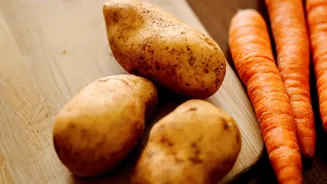
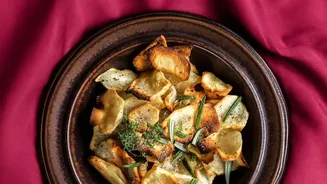
Perhaps more surprising is the pairing's success in savoury cooking. In many Persian and North African dishes, a saffron and honey glaze transforms roasted chicken into something truly special. The honey helps create a beautiful, caramelised crust while its sweetness balances the savoury chicken and spices. The saffron permeates the meat with its exotic fragrance and flavour. This combination works brilliantly as a glaze for vegetables, too. Honey-saffron glazed carrots, for instance, become a show-stopping side dish, with the sweetness enhancing the carrots' natural sugars and the saffron adding a complex, aromatic finish.