






The Allure of Aged Fabrics
Vintage textiles are more than just old cloth; they are pieces of history woven with stories. Items like hand-embroidered Kantha quilts, richly patterned Suzanis, or rustic European grain sacks carry the mark of their maker and the culture they came from.
Incorporating them into a modern home adds a layer of depth and character that mass-produced items simply cannot replicate. It’s a way to create a space that feels curated and deeply personal, connecting your contemporary life with a sense of timelessness. Plus, it's a sustainable choice, giving beautiful, well-crafted items a second life.
Start with a Statement Piece
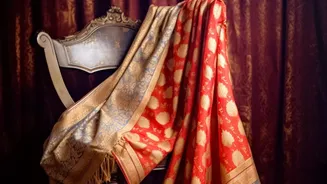
The easiest way to begin is by choosing one significant textile to serve as a focal point. This could be a large, vibrant Kilim rug to anchor a minimalist living room, a Suzani throw draped over the foot of a bed, or a stunning length of hand-blocked fabric used as a wall hanging. In an Indian context, a beautiful Phulkari or an old Banarasi sari can be framed as art. By letting one piece command attention, you can build the rest of the room's decor around it, ensuring the space feels intentional rather than cluttered. This single item sets the tone, blending old-world artistry with your modern furnishings.
The Art of the Mix
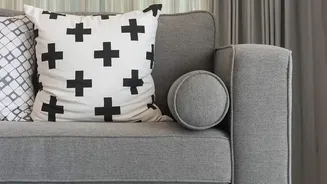
The key to success is balance. To avoid a space that looks like a museum, pair your vintage finds with clean, modern elements. For instance, throw cushions made from vintage fabric can add a pop of colour and pattern to a sleek, contemporary sofa. A rustic antique linen table runner can soften a minimalist dining table. Don't be afraid to mix patterns, but try to find a common thread, such as a shared colour palette, to tie them together. The contrast between the ornate, handcrafted textile and a simple, modern piece of furniture is what creates a dynamic and interesting interior.
Where to Find Your Treasures
Hunting for vintage textiles is part of the fun. You can find incredible pieces at flea markets, antique shops, and estate sales. For those in India, local markets and shops specializing in heritage crafts are goldmines. Online marketplaces like eBay and specialized stores such as Chairish also offer a vast selection of curated textiles from around the world. When buying, inspect the condition carefully. While some signs of age add to the charm, you'll want to avoid pieces with significant damage unless you are prepared to repair them.
Caring for Your Vintage Finds
Older fabrics require gentle handling to preserve their beauty. Always wash your hands before touching antique textiles to avoid transferring oils. Light is one of the biggest threats, causing fading and making fibres brittle, so display your textiles away from direct sunlight. For cleaning, it is often best to start by gently brushing the surface to remove dust. For deeper cleaning, especially for delicate items like silk or heavily embroidered pieces, professional advice is recommended. When storing textiles, keep them in a cool, dry place, ideally wrapped in a clean cotton cloth rather than in plastic, which can trap moisture.