






Smart Planning is Your First Defence
The battle against food waste begins before you even step into a grocery store. It starts with a simple, powerful tool: a plan. By taking stock of what you already have, you can prevent overbuying and ensure ingredients are used before they spoil. Begin
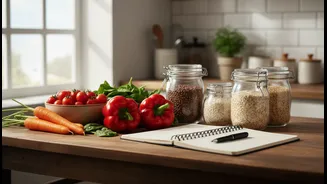
by checking your refrigerator, freezer, and pantry. Build your week's meals around items that need to be used up first. Wilted vegetables can be perfect for a soup or stew, and that last bit of rice can be the base for a quick fried rice. Once you know what you have, create a detailed shopping list with specific quantities for the meals you've planned. This simple habit helps you stay focused, resist impulse buys, and purchase only what you truly need, saving you time and money.
Purchase with Purpose, Not Impulse
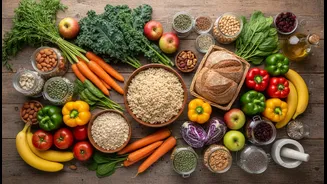
A well-crafted list is your best friend at the store. Stick to it and try to avoid shopping when you're hungry, which often leads to unnecessary purchases. Be strategic about deals; a 'buy one, get one free' offer is only a saving if you can use both items before they expire. When it comes to produce, consider buying loose fruits and vegetables instead of pre-packaged ones. This allows you to buy the exact quantity you need. Don't shy away from 'ugly' or imperfect-looking produce, which is often discounted but just as nutritious. It’s also wise to be cautious with bulk purchases of perishable items. While buying in large quantities can seem economical, it often leads to waste if your family can't consume it all in time. Bulk buying makes the most sense for items with a long shelf life like grains, lentils, or pasta.
Mastering Portions and Leftovers
Even with perfect planning and purchasing, waste can still happen on the plate. This is where portion control becomes crucial. Try to cook only what you and your family will realistically eat for a single meal. Using smaller plates can also be a helpful psychological trick to prevent overloading and subsequent waste. When you do have leftovers, don't let them languish at the back of the fridge. Instead, think of them as ingredients for your next meal. Leftover roasted vegetables can be added to an omelet, dal can be layered into a biryani-style casserole, and small bits of meat can become a delicious filling for a sandwich or tacos. Getting creative with leftovers not only cuts waste but also saves you from having to cook another meal from scratch.
Smart Storage to Extend Freshness
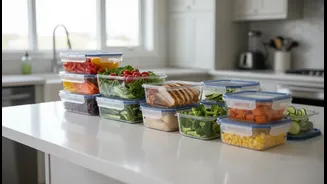
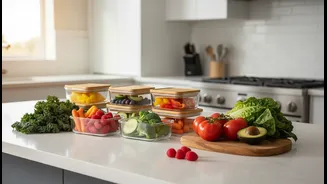
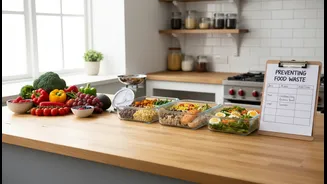
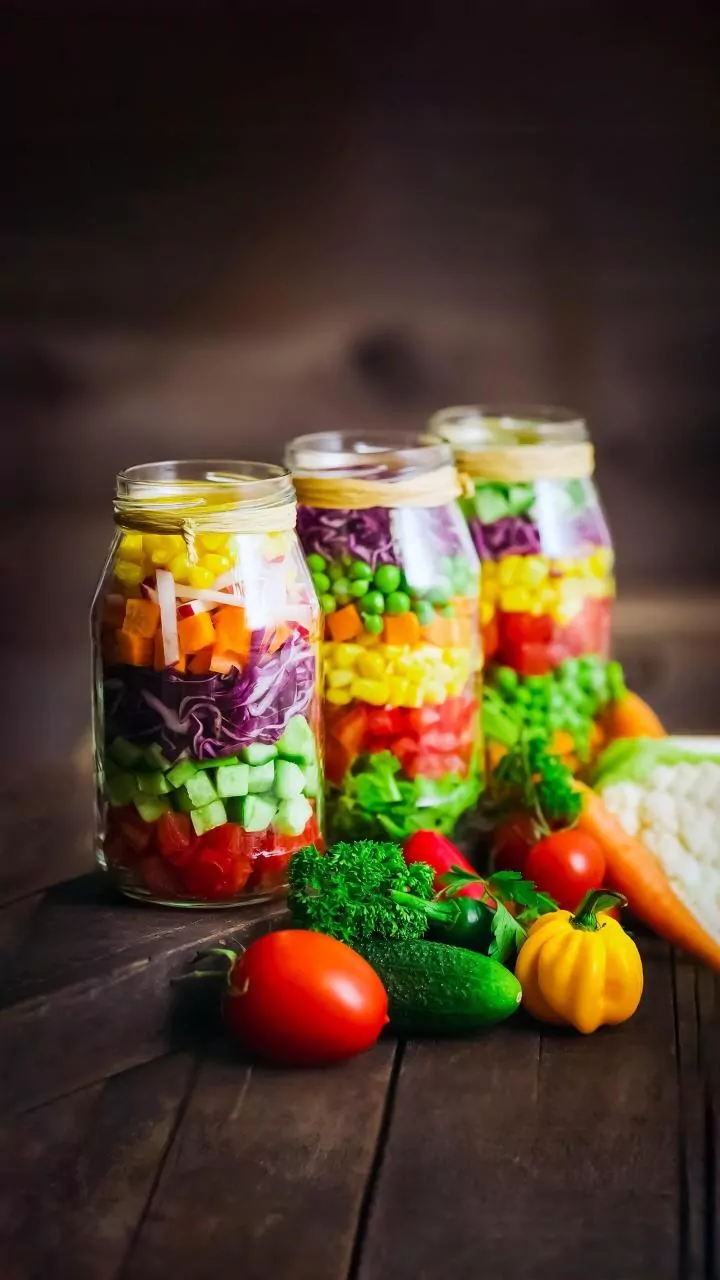
Proper storage is the final piece of the puzzle, ensuring the food you buy stays fresh for as long as possible. The freezer is an invaluable tool; use it to store leftovers in single-serving portions for easy lunches or to preserve bread, which can be toasted directly from frozen. You can also freeze ingredients like chopped fruits and vegetables to use later. In the refrigerator, understand how your crisper drawers work. Use the high-humidity setting for produce that wilts easily and the low-humidity drawer for fruits and vegetables prone to mold. Keep items like milk and eggs in the main part of the fridge, not the door, which is the warmest spot. For pantry items like spices and grains, a cool, dark, and dry cupboard is best to preserve their flavor and freshness.