




The 'Health Halo' of Nut Butters
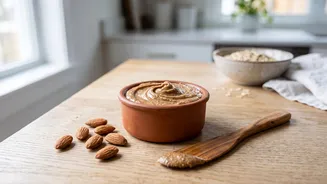
Peanut, almond, and cashew butters are packed with protein, healthy fats, and fibre, making them a popular choice for a nutritious start to the day. This reputation has created a 'health halo', leading many of us to assume all nut spreads are good for us.
However, the reality is that many commercial brands add significant amounts of sugar to enhance flavour and texture. Some popular chocolate-hazelnut spreads, for example, can contain over 50 grams of sugar per 100 grams, making them more of a dessert than a healthy breakfast. These added sugars can contribute to a range of health issues, including weight gain, type 2 diabetes, and heart disease, undermining the very benefits you seek from the nuts themselves.
Mastering the Nutrition Information Panel
The first step to uncovering hidden sugars is to ignore the claims on the front of the jar and turn directly to the back. Under FSSAI regulations in India, packaged foods must display a nutritional information panel. Look for the 'Carbohydrates' section, which will have a line for 'Total Sugars' and, importantly, a separate line for 'Added Sugars'. 'Total Sugars' includes both the small amount of sugar naturally present in nuts and any sugar that was added during processing. The 'Added Sugars' figure is the one to watch. According to the FDA, a product with 5% or less of the Daily Value (DV) for added sugars is considered low, while 20% or more is high. FSSAI guidelines suggest a recommended dietary allowance for added sugar of 50 grams per day based on a 2,000-calorie diet. Comparing the 'per 100g' column between different brands is the most effective way to see which product is genuinely lower in sugar.
Decoding the Ingredient List
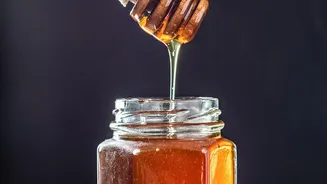
Sugar hides under many different names, so scanning for the word 'sugar' alone isn't enough. Ingredients are listed in descending order of weight, so if a type of sugar appears near the top of the list, the product contains a lot of it. Be on the lookout for a variety of terms. Obvious ones include cane sugar, brown sugar, honey, and maple syrup. Less obvious names to watch for are those ending in '-ose', such as sucrose, glucose, fructose, and dextrose. Other common aliases for added sugar include corn syrup, high-fructose corn syrup, maltodextrin, invert sugar, jaggery, and fruit juice concentrates. Even 'healthy-sounding' sweeteners like date syrup or agave nectar are still considered added sugars and contribute to your daily intake. A truly healthy nut butter will have nuts as the very first ingredient, ideally with only salt as an addition.
Understanding 'No Added Sugar' Claims
The claim 'no added sugar' can be confusing. According to FSSAI, this means no sugars or sugar-containing ingredients were added during processing. However, it does not mean the product is 'sugar-free'. It can still contain naturally occurring sugars from ingredients like nuts or fruit. Furthermore, products with this claim can legally contain artificial sweeteners (like sucralose or aspartame) or sugar alcohols (like maltitol or erythritol), which are not classified as 'added sugars' but still provide sweetness. While some of these, like stevia and erythritol, have a minimal impact on blood sugar, others like maltitol can still affect it. Therefore, even when you see a 'no added sugar' claim, it's still crucial to check the full ingredient list to understand what you're really eating.
Beyond Sugar: Other Ingredients to Watch
While checking for sugar is key, it’s also wise to scan for other additives. Many mass-market nut butters include added oils to prevent the natural nut oil from separating and to create a 'no-stir' texture. Palm oil is common but is high in saturated fat. Hydrogenated or interesterified fats are also used as stabilisers. A high-quality nut butter should ideally not contain any added oils; the oil should come from the nuts themselves. You might also see emulsifiers like lecithin (INS 322) or antioxidants like Vitamin E (INS 307), which are generally considered safe and are used to maintain texture and freshness. Finally, check the sodium content, as some savoury spreads can be quite high in salt.