



Chana Dal: The Fibre-Rich Powerhouse
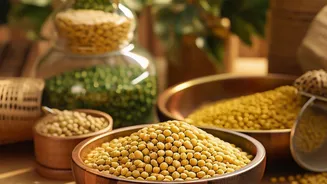
Chana dal, made from split chickpeas, is a robust and hearty lentil known for its high protein and fibre content. A 100-gram serving of cooked chana dal provides about 8.9 grams of protein, making it an excellent choice for building and repairing tissues.
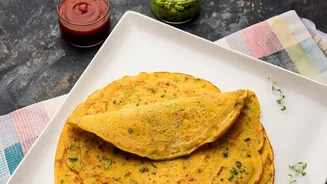
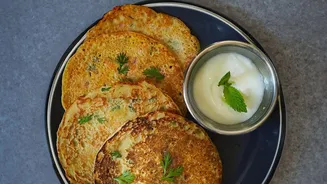
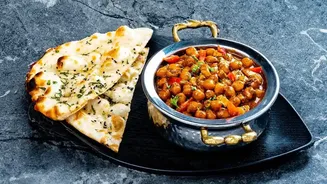
Its significant dietary fibre, around 7.6 grams per 100g, aids digestion, promotes a feeling of fullness, and helps regulate blood sugar levels, making it particularly beneficial for weight management and those with diabetes. This dal is also packed with essential minerals like iron, magnesium, and phosphorus, which support everything from bone health to energy metabolism. Chana dal holds its shape well when cooked, giving a firm, satisfying bite. This makes it ideal for dishes where texture is key, such as hearty curries, dry sabzis, and even ground into besan (gram flour) for making snacks like cheelas and pakoras. Due to its density, it takes longer to cook than other dals and often benefits from soaking.
Moong Dal: The Gentle and Digestible Choice
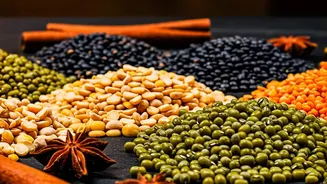
Often recommended for children, the elderly, or those recovering from illness, moong dal is widely considered the easiest lentil to digest. It is available as whole green gram (sabut moong), split with the skin on (chilka moong), and split yellow moong. Yellow moong dal is particularly light on the stomach because it has lower levels of the complex carbohydrates that can cause bloating. Despite its gentle nature, moong dal is a nutritional giant, offering about 7 grams of protein per 100g cooked serving. It is a fantastic source of folate, an essential B-vitamin crucial for pregnant women. Moong dal is also rich in antioxidants, which help fight inflammation, and its high fibre content supports regular bowel movements. Its versatility is unmatched; it cooks quickly and breaks down into a creamy consistency, perfect for a simple dal tadka, comforting khichdi, or even light soups. Sprouted whole moong is also a popular and nutritious addition to salads.
Masoor Dal: The Quick and Convenient Protein Source
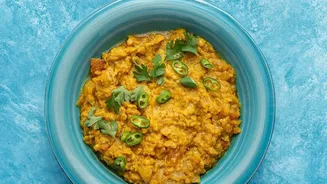
When time is short, masoor dal, or red lentil, is the go-to choice. It cooks incredibly fast, often in 15-20 minutes without any soaking, and breaks down into a smooth, creamy texture. Nutritionally, it leads this trio, packing about 9 grams of protein per 100g cooked serving. This makes it one of the most protein-dense options for the fewest calories. Masoor dal is also an excellent source of iron, which is vital for preventing anaemia and maintaining energy levels. It contains a significant amount of folate and magnesium, supporting heart health and bone development. Its mild, slightly earthy flavour makes it highly adaptable. It’s the star of simple, everyday dals and can be combined with other lentils for more complex flavours and textures. Its quick-cooking nature and soft consistency also make it a great choice for thickening soups and stews.
How to Choose the Right Dal for You
Choosing between chana, moong, and masoor depends entirely on your needs. For the highest protein content and a quick meal, masoor dal is the winner. If you're focused on satiety, blood sugar control, and a high-fibre option, chana dal is your best bet, though it requires more cooking time. For those with sensitive digestive systems or who need a light, comforting, and easily digestible meal, moong dal is the undisputed champion. The combination of different dals, often used in preparations like panchmel dal, offers a more complex flavour profile and a broader spectrum of nutrients. Ultimately, all three are incredibly healthy. When paired with rice or roti, they form a complete protein, providing all the essential amino acids your body needs. Rotating between them ensures you receive a wide range of vitamins, minerals, and health benefits.