



The Mahabaleshwar Bottleneck
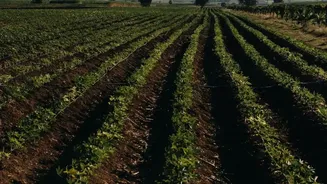
A staggering 85% of India's strawberries come from a single hill station: Mahabaleshwar in Maharashtra. The region's cool climate and well-drained soil have made it the country's strawberry capital, but this concentration is also a major weakness. The entire
industry is vulnerable to the slightest weather shift in this one area. In recent years, erratic weather, including mild winters and early heatwaves, has devastated crops. Temperatures soaring above 30°C in February and March cause fruit to ripen prematurely at a smaller size, lose flavour, and even suffer from sunburn-like spots. Farmers have reported yield drops of up to 40-50% in bad seasons, forcing many to abandon their fields early. This dependency on one specific microclimate makes the supply fragile and keeps prices high for consumers across the country.
A Californian Plant in a Tropical Land
The core of the problem is that most strawberries grown in India are not from India. They are cultivars developed in temperate climates like California and Florida, such as Chandler, Camarosa, and Sweet Charlie. These varieties are 'short-day' plants, meaning they require the shorter daylight hours and cooler temperatures of winter to flower and produce fruit. They were designed for the mild, predictable weather of places like coastal California, not the diverse and often harsh conditions of the Indian subcontinent. As a result, they are highly susceptible to heat stress, local pests, and fungal diseases. This mismatch means cultivation is restricted to a few high-altitude pockets and the brief winter window in the northern plains. India remains heavily reliant on importing expensive planting materials for these foreign varieties, adding another layer of cost and vulnerability for farmers.
Designing the Perfect 'Desi' Strawberry
So, what would the ideal Indian strawberry look like? Agricultural scientists and breeders are working on a wishlist of traits. The number one priority is heat tolerance, allowing the plant to thrive in the warmer temperatures prevalent across most of the country and extend the short growing season. The next is resistance to local diseases and pests, which would reduce the need for chemical sprays and lower the risk of crop failure. Enhanced firmness and a longer shelf life are also crucial. Strawberries are highly perishable, with post-harvest losses estimated to be as high as 40-50%. A berry that can better withstand transportation would reduce waste and allow farmers from more remote areas to access urban markets. Finally, a homegrown variety would free farmers from the costly cycle of importing plant material every year.
The Hunt for a Homegrown Hero
The quest for an Indian strawberry is already underway. Research institutions are leading the charge. For instance, the Mahatma Phule Krishi Vidyapeeth has partnered with the Bhabha Atomic Research Centre on a breeding experiment using low-dose gamma irradiation to create a climate-resilient cultivar. The goal is to induce genetic mutations that might lead to desirable traits like heat tolerance. Other researchers are exploring different cultivation methods to bypass climate constraints, such as hydroponics and protected cultivation in polyhouses, which can help extend the growing season. While these efforts are promising, developing a new commercial variety is a long game. It takes years of crossing, field trials, and refinement to create a plant that is not only resilient but also produces tasty, high-quality fruit that consumers will want to buy.