


A Journey Through Time
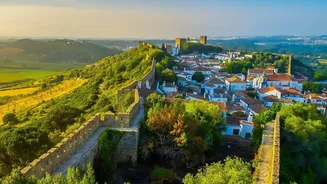
To truly understand Portugal, one must journey to its 'Aldeias Históricas', or Historical Villages. These twelve fortified settlements, scattered along the Spanish border, are living museums of stone and story. Villages like Monsanto, famously built amongst
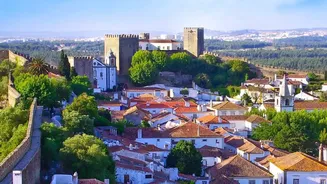
giant granite boulders, and the perfectly preserved medieval town of Sortelha, transport you to an era of knights and kings. Walking their cobbled streets is a step back into a 900-year history, where ancient castles stand guard over serene valleys. These villages are not just relics; they are a network of communities committed to preserving their unique character and sustainable way of life, offering an authentic alternative to crowded city centers.
The Taste of the Land
Portugal's rural heritage is deeply connected to its gastronomy. The Alentejo region, a vast expanse of rolling plains and cork oak forests, is the country's heartland. Here, time moves at a slower pace, and the food reflects a deep connection to the earth. Imagine feasting on slow-cooked stews, artisan bread, and rich sheep's cheese, all paired with award-winning local wines. Further north, the Douro Valley, a UNESCO World Heritage site, offers another essential taste of Portugal. Its steep, terraced vineyards produce the world-famous Port wine, and a visit to a traditional 'quinta' (wine estate) for a tasting is a quintessential experience that connects you directly to the landscape and its centuries-old traditions.
Embracing Wild Nature
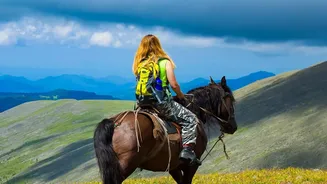
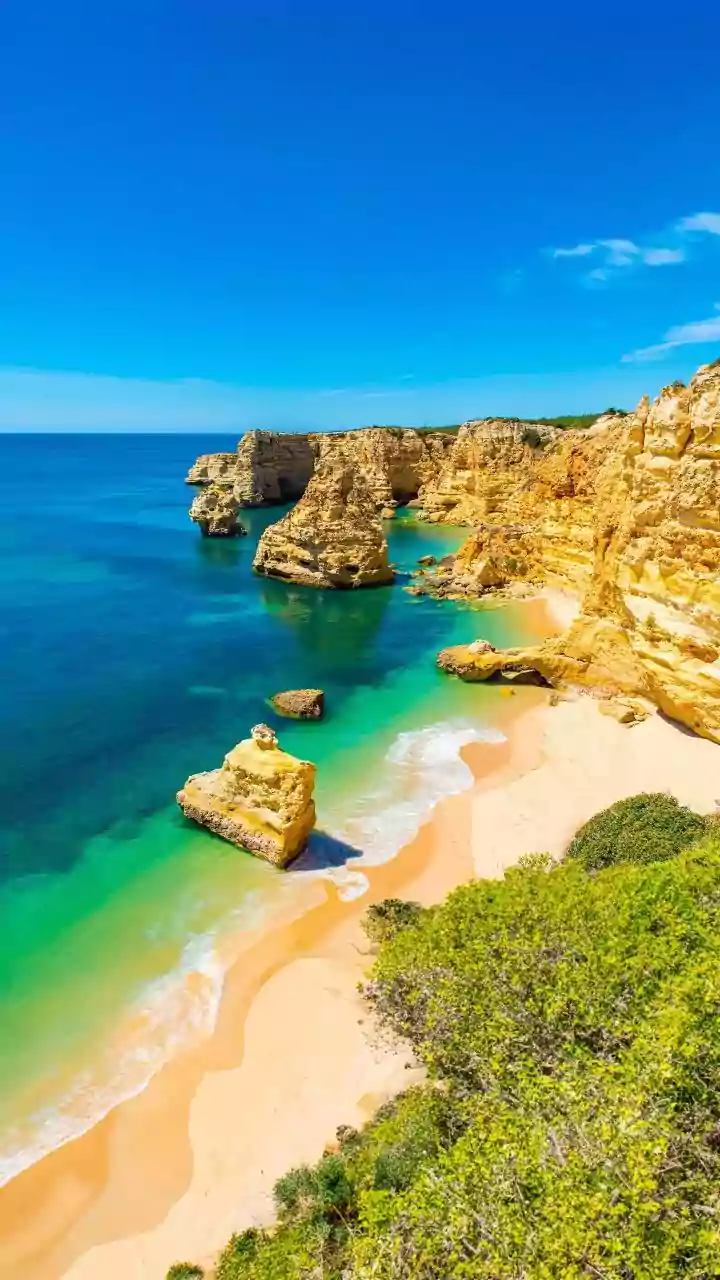
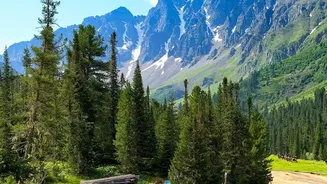
Escaping the city buzz for rural Portugal means trading traffic noise for birdsong. The country's diverse natural landscapes offer a profound sense of tranquility and adventure. In the north, Peneda-Gerês, Portugal's only national park, is a rugged paradise of granite peaks, cascading waterfalls, and hidden lagoons perfect for hiking and kayaking. Along the southwestern coast, the Costa Vicentina Natural Park presents a dramatically different scene, with wild, untouched beaches and cliffside trails protected from overdevelopment. These areas provide a chance to disconnect and immerse yourself in unspoiled nature, whether you're watching for wildlife in a serene valley or simply breathing in the fresh, country air.
The Hands of Tradition
The soul of rural Portugal is also found in its living crafts. For centuries, artisans have transformed natural materials into objects of both beauty and utility. In the Alentejo, women in the town of Arraiolos hand-embroider intricate wool rugs, a tradition that has been passed down for generations. In the Minho region, you can still find the rare black pottery of Gondar, fired in open-air pits, or the colourful 'Figurado' clay figurines of Barcelos. These are not mere souvenirs; they are tangible pieces of Portuguese culture. Seeking out these handicrafts supports the small communities that keep these centuries-old techniques alive, offering a meaningful connection to the country's creative spirit.