






A Zero-Tolerance Mandate
As New Delhi prepares to host the 18th BRICS Summit on September 12 and 13, the Food Safety and Standards Authority of India (FSSAI) has significantly increased its oversight of the city's hospitality sector. The food regulator recently held a high-level
meeting with representatives from major five-star hotel chains, issuing a clear directive: a "zero-tolerance" approach towards any violations of food safety and hygiene protocols. This crackdown is not merely procedural; it's a direct response to the immense responsibility of hosting international delegations. The hotels, which will serve as temporary homes and offices for world leaders and diplomats, are now considered a critical part of the summit's infrastructure, placing their operations under an intense spotlight.
What Sparked the Scrutiny?
The intensified compliance drive follows recent inspections at two prominent luxury hotels in Delhi's Aerocity, which are reportedly among those designated to host foreign guests for the summit. These checks, conducted at Andaz Delhi and JW Marriott, uncovered a range of serious deficiencies. Issues flagged by FSSAI inspectors included expired food products, with one hotel found to have 87 kilograms of expired sweets that were destroyed on the spot. Other significant findings involved pest infestations, including cockroaches and flies in kitchen areas, poor segregation of vegetarian and non-vegetarian food, and improper storage temperatures for perishable items. At one establishment, a total of 59 deficiencies were recorded, spanning from licensing discrepancies to hygiene lapses by staff.
The Anatomy of a Five-Star Inspection
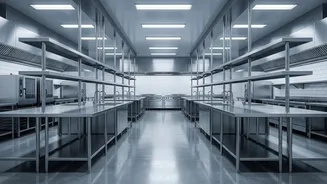
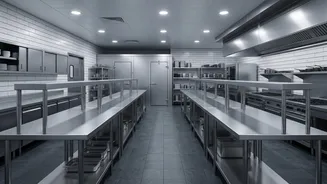
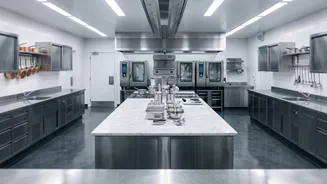
When FSSAI inspectors enter a commercial kitchen, their examination goes far beyond a superficial glance. The checks are comprehensive, covering the entire food handling chain from source to service. This includes verifying that suppliers have the necessary FSSAI licences and that all raw materials are properly stored and handled. Inspectors look for expired items, check for cross-contamination risks, and ensure that equipment and surfaces are sanitised. They also assess the personal hygiene of food handlers, noting if staff are working with open wounds or without proper hairnets. Structural issues like chipped walls or unsealed entry points that could allow pests to enter are also documented. Samples of various food items, from ghee and sauces to paneer and water, are often collected for laboratory analysis to ensure they meet safety standards.
More Than a Meal: A Matter of National Prestige
For India, hosting the BRICS summit is a significant diplomatic event, and the theme for its 2026 chairship is "Building for Resilience, Innovation, Cooperation and Sustainability". Ensuring the health and safety of visiting delegates is paramount, as any lapse could lead to a major international incident and tarnish the country's reputation. The principle of 'Atithi Devo Bhava' (The guest is equivalent to God) has been explicitly cited by officials in the context of summit preparations. The food safety checks are a crucial part of a broader, multi-agency effort to ensure the event is seamless, covering everything from security and traffic management to civic infrastructure. By holding its most prestigious hotels to the highest standards, the FSSAI is safeguarding not just the well-being of guests, but also India's image as a capable and reliable host on the global stage.