

A Complete Meal in a Single Pot
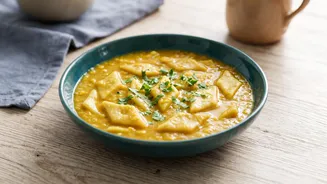
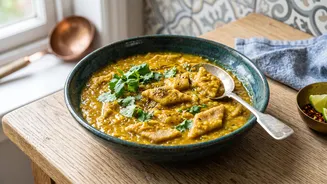
At its core, Dal Dhokli is the epitome of resourceful and intelligent cooking. It is a one-pot meal that ingeniously combines carbohydrates and protein by cooking wheat flour dumplings directly in a lentil stew. This single dish serves the role of both
dal (lentils) and roti (flatbread), creating a wholesome and balanced meal without the need for side dishes. The concept is simple but brilliant: why serve them separately when they can be cooked together, allowing the flavours to meld into something truly special? This efficiency is a hallmark of many traditional Indian dishes born from a need for practicality, conserving both fuel and effort while delivering complete nourishment. Historically, it was often a clever way to use leftover dal, transforming it into a new, hearty dinner.
The Soul of the Dish: The Dal
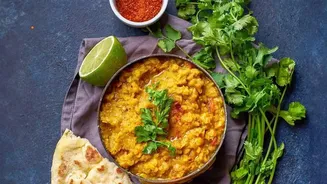
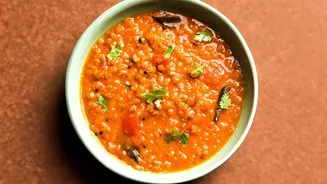
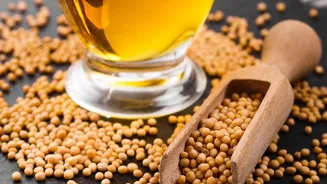
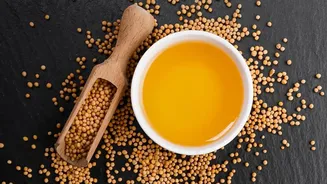
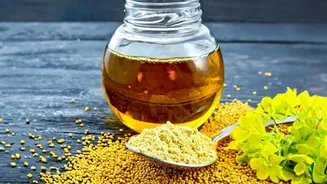
The foundation of Dal Dhokli is a classic Gujarati dal, typically made from toor dal (split pigeon peas). What sets this dal apart is its signature flavour profile: a perfect trifecta of sweet, sour, and spicy notes. This balance is achieved through a careful selection of ingredients. Jaggery provides a mild, earthy sweetness, while kokum or tamarind imparts a distinct tangy flavour. The dal is tempered with a 'vaghar' or 'tadka'—a sizzling mix of ghee or oil infused with spices. This often includes mustard seeds, cumin seeds, fenugreek seeds, asafoetida (hing), cinnamon, and cloves, which together create a complex and aromatic base that makes the dish unmistakably Gujarati. Peanuts are also a common addition, lending a delightful crunch and richness.
The Heart of the Meal: The Dhokli
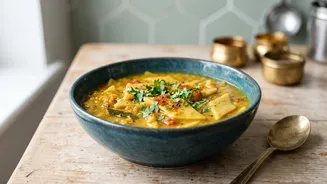
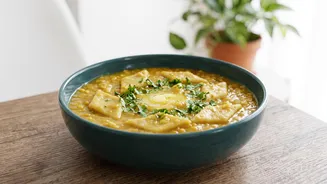
The 'dhokli' are the dumplings that give the dish its name and substance. They are essentially unleavened, bite-sized pieces of spiced dough. The dough is made from whole wheat flour (atta), often with a bit of gram flour (besan) to soften the texture. It is seasoned with spices like turmeric, red chilli powder, and ajwain (carom seeds), which aids digestion and adds a subtle, fragrant flavour. The dough is kneaded to a medium-stiff consistency, rolled out thinly like a chapati, and then cut into diamond shapes, squares, or other small pieces. These raw dough pieces are then dropped one by one into the simmering dal.
The One-Pot Magic
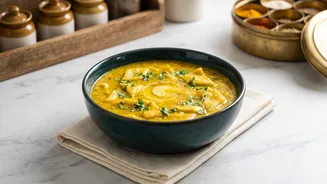
The magic of Dal Dhokli happens when the dhokli pieces are added to the boiling dal. As they simmer, they cook through, absorbing the spicy, sweet, and tangy flavours of the lentil stew. This process thickens the dal, giving it a rich, gravy-like consistency, while the dhokli become soft and tender, similar to fresh pasta or dumplings. The final texture is crucial; the dhokli should be fully cooked but still hold their shape. This shared cooking process is what makes the dish so cohesive and comforting. Every spoonful offers a perfect combination of savoury dal and succulent, infused dough—a complete, satisfying bite every time.
A Dish with Many Homes
While most strongly associated with Gujarat, Dal Dhokli is a beloved comfort food in neighbouring states as well, each with its own variation. The Rajasthani version is typically spicier and less sweet, while in Maharashtra, a similar dish is known as 'Varan Phal' or 'Chakolya'. Even within Gujarat, recipes vary from family to family; some add vegetables like green beans, while others prefer peanuts. This adaptability is a testament to its status as a true home-cooked meal, passed down through generations and tweaked to suit personal tastes. Whether made from scratch or with leftover dal, it remains a cherished staple, embodying warmth, comfort, and the genius of Indian home cooking.