






The Allure of the 'Overrated' Label
There's a certain satisfaction in reading that a world-famous destination isn't all it's cracked up to be. It makes us feel like savvy, in-the-know travellers who can't be fooled by glossy brochures. When it comes to Australia, places like Bondi Beach,
the Great Barrier Reef, and Uluru frequently appear on these lists. The complaints are often predictable: too many people, too expensive, or it just didn't live up to the impossibly perfect photos. But these critiques often say more about the context of the visit than the quality of the destination. A label of 'overrated' is deeply personal; one person's tourist trap is another's treasured memory. The key is understanding what shapes that perception, and it almost always comes down to three factors: when you go, what you pay, and what you were hoping to find.
The Bondi Beach Conundrum
Bondi Beach is perhaps the most common fixture on lists of overrated Australian spots. Critics point to the overwhelming crowds, the difficulty of parking, and the premium prices at every cafe. And they're not wrong, if you visit at 1 p.m. on a sweltering January Saturday. But visit on a crisp weekday morning in May, and you'll find a completely different place. The crowds are gone, replaced by locals walking their dogs and dedicated swimmers doing laps in the iconic Icebergs pool. You can grab a coffee without a queue and find a peaceful spot on the kilometre-long stretch of sand. The experience is transformed simply by changing the timing. The same beach that feels like a chaotic tourist hub during peak season can feel like a serene local gem in the off-season, proving that 'overrated' is often a matter of timing.
When High Costs Create Impossible Expectations
Australia has a reputation for being an expensive travel destination. From accommodation to tours, the costs can add up, and with a high price tag comes high expectations. An experience like a day trip to the Great Barrier Reef can cost a family hundreds of dollars. For that price, travellers understandably expect a life-changing encounter with a vibrant underwater world. While many outer reef trips are spectacular, some visitors on shorter, more crowded tours to inner reefs can be left feeling underwhelmed, especially if weather affects visibility or they encounter areas of coral bleaching. It's not that the reef isn't a world wonder, but the pressure for the reality to match the financial outlay can lead to disappointment. The experience itself might be good, but is it '$800 good'? That's a question only the individual can answer, and it heavily influences whether they deem it 'worth it' or 'overrated'.
The Instagram vs. Reality Gap
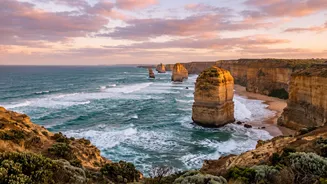
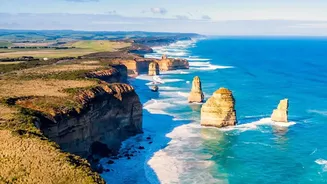
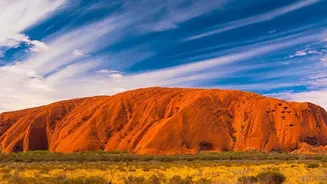
Social media has created a powerful 'expectation engine'. We see perfectly composed, crowd-free photos of Uluru at sunset or the Twelve Apostles bathed in golden light. What we don't see are the viewing platforms packed with hundreds of other tourists, the car parks, or the tour buses. When a visitor arrives, the reality of a managed tourist site can be jarring compared to the wild, empty landscape they imagined. Uluru, for instance, is a site of immense cultural and spiritual significance, but some online reviews express disappointment that it's 'just a big rock' or complain about its remote location. This isn't a failing of Uluru; it's a failure of expectation. The experience is not simply about a quick photo, but about engaging with its history and scale, something that requires a different mindset than simply capturing an Instagram post.
How to Find Your Perfect Australia
Instead of relying on simplistic 'overrated' or 'underrated' lists, a better approach is to travel with self-awareness. Before booking that famous tour or heading to that iconic beach, ask yourself what you truly want from the experience. If you hate crowds, consider visiting a popular spot in the shoulder season or seeking out a lesser-known alternative. For every Bondi, there are dozens of other stunning Sydney beaches like Manly or those on the south coast that are just as beautiful but far less crowded. If budget is a concern, mix in free activities like coastal walks and national park hikes with a few key splurges that genuinely matter to you. Researching beyond the top 10 lists and understanding the context—the best time to visit, the real costs, and the on-the-ground reality—is the surest way to ensure your personal expectations align with your travel experience, leaving no room for the dreaded 'overrated' verdict.