






The Crowded World of Wellness
Walk down any health food aisle or scroll through social media, and you'll be met with a dazzling array of powders, pills, and drinks. Matcha, collagen, and nootropics are three of the biggest stars in this wellness universe. Often grouped together, they
are fundamentally different, targeting distinct aspects of your health. While all three can be part of a healthy lifestyle, understanding their primary functions is key to making informed choices that align with your personal goals. One is for calm energy, another for physical structure, and the third for pure brainpower. Knowing which is which can save you time, money, and help you truly get the benefits you're seeking.
Matcha: The Mindful Energiser
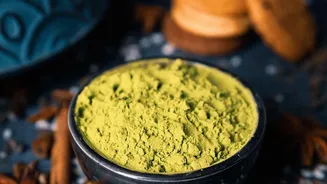
Matcha is a finely ground powder of specially grown and processed green tea leaves. Unlike regular green tea where you steep and discard the leaves, with matcha you consume the entire leaf, getting a concentrated dose of its benefits. Its standout feature is the unique combination of caffeine and an amino acid called L-theanine. While the caffeine provides a gentle energy boost, L-theanine promotes a state of calm alertness, counteracting the jitters often associated with coffee. This synergy is what makes matcha prized for focus without the crash. It's packed with antioxidants, particularly EGCG, which are believed to have anti-inflammatory properties and support overall health. Think of matcha as your go-to for a productive afternoon or a mindful start to your day when you need both energy and focus.
Collagen: The Beauty and Body Builder
Collagen is the most abundant protein in the human body, acting as the primary building block for your skin, bones, tendons, and ligaments. As we age, our natural collagen production declines, which can lead to common signs of ageing like wrinkles, sagging skin, and joint discomfort. Collagen supplements, usually derived from animal sources and available as a flavourless powder, provide your body with the amino acids needed to rebuild its own collagen. The primary reported benefits are related to physical structure. Many users take it hoping to improve skin elasticity and hydration, strengthen hair and nails, and support joint health. While research is ongoing, many studies have shown promising results for improving skin health and reducing joint pain. It’s not a quick fix for wrinkles, but rather a long-term strategy to support your body's structural integrity from the inside out.
Nootropics: The Brain Boosters
Nootropics, often called 'smart drugs' or 'cognitive enhancers', are substances that aim to improve mental functions like memory, creativity, motivation, and attention. This is a very broad category that includes everything from prescription drugs for conditions like ADHD to over-the-counter supplements. Many popular natural nootropics have deep roots in traditional medicine, including Ayurveda. Ingredients like Ashwagandha, known for its stress-reducing properties, and Bacopa Monnieri (Brahmi), which is celebrated for memory enhancement, fall into this category. Unlike matcha's gentle focus or collagen's physical support, nootropics are specifically targeted at brain performance. They are thought to work by various mechanisms, such as increasing blood flow to the brain or modulating neurotransmitters. While the science on many supplements is still developing, people turn to nootropics for a competitive edge in study, work, or any mentally demanding task.
Choosing Your Wellness Ally
So, how do you choose? It all comes down to your primary goal. Are you looking for a clean, sustained energy and focus to power through your day without anxiety? Matcha is your best bet. Are you more concerned with supporting the health of your skin, hair, nails, and joints as you age? Collagen is the supplement to consider. Or is your main goal to enhance cognitive functions like memory, learning, and resilience to stress for a demanding project or exam? Exploring natural nootropics could be the answer. While they all live under the broad umbrella of 'wellness', these three powerhouses offer very different tools for your health toolkit. They aren't interchangeable, but they can be complementary, each playing a unique role in your overall well-being.