



The Official Details: What 'Visa-Free' Means
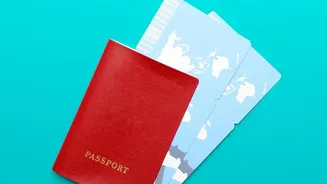
The big news for Indian globetrotters is the introduction of a 30-day visa-free regime by Uzbekistan. The announcement was made by Uzbek President Shavkat Mirziyoyev during delegation-level talks with Prime Minister Narendra Modi in Tashkent on August
30, 2026. This policy allows Indian passport holders to enter Uzbekistan for tourism or business and stay for up to 30 days without needing to apply for an e-visa or a traditional sticker visa in advance. Previously, Indian travellers had to go through an online e-visa application process. This new arrangement significantly simplifies travel, making a spontaneous trip to the historic nation a real possibility. While this is a welcome change, travellers should always verify the final implementation details, such as passport validity requirements (typically six months) and proof of onward travel, with official sources like the Embassy of Uzbekistan before booking their trip.
Beyond the Visa: Why Visit Uzbekistan?
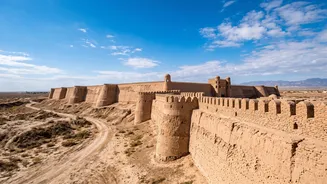
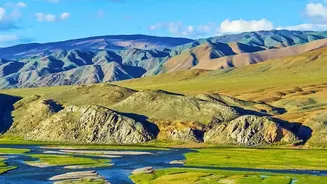
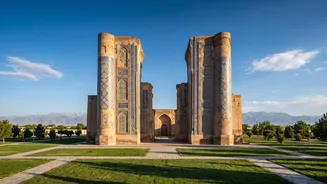
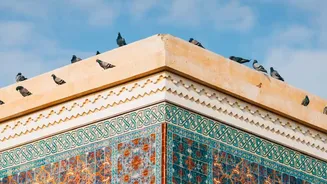
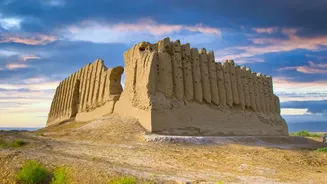
So, why should Uzbekistan be on your travel radar? The country is a mesmerising blend of ancient history and Soviet-era architecture, offering a journey through time. For centuries, its cities were crucial hubs along the Silk Road, the legendary network of trade routes that connected the East and West. This history is etched into the stunning Islamic architecture of its three most famous cities: Samarkand, Bukhara, and Khiva. Imagine wandering through grand squares adorned with intricate blue-tiled mosques and madrasas, haggling for spices and silks in bustling bazaars, and exploring desert fortresses that have stood for centuries. Beyond the cities, the landscape offers the serene beauty of the Chimgan Mountains, often called 'Uzbek Switzerland'. The country is also known for its warm hospitality, and Indian tourists often report feeling extremely welcome.
A Shared History: The India-Uzbekistan Connection
The ties between India and Uzbekistan stretch back centuries, making a trip here feel like a discovery of a shared past. The most significant link is Zahir-ud-din Muhammad Babur, the founder of the Mughal Empire, who was born in the Fergana Valley of present-day Uzbekistan. His journey from Central Asia to India laid the foundation for a dynasty that profoundly shaped Indian art, architecture, and cuisine. This connection is visible in the cultural landscape of both nations. You'll find that many Uzbek dishes, like the celebrated rice pilaf known as 'plov', share a culinary lineage with Indian classics like biryani. This deep-rooted history adds a special layer of resonance for Indian travellers, who can explore the homeland of the figures who feature so prominently in their own history books.
Your Gateway to the Silk Road: Key Cities
A trip to Uzbekistan is a tour of its legendary cities. Start in Tashkent, the vibrant capital, where modern avenues meet historic old towns. Don't miss the stunningly ornate stations of the Tashkent Metro and the bustling Chorsu Bazaar. From there, take a high-speed train to Samarkand, the jewel of the Silk Road. Its Registan Square is one of the world's most breathtaking architectural ensembles. Next, journey to Bukhara, a UNESCO-listed city that feels like a living museum, with its ancient minarets, mosques, and madrasas filling a labyrinth of narrow streets. If you have more time, the walled inner city of Khiva, Ichan-Kala, offers a perfectly preserved glimpse into a lost desert kingdom. A well-planned week can comfortably cover the highlights of Tashkent, Samarkand, and Bukhara.
Know Before You Go: A Traveller's Checklist
Planning your Uzbek adventure is straightforward. Direct flights connect major Indian cities like Delhi and Mumbai with Tashkent, with flight times around three to four hours. The local currency is the Uzbekistani Som (UZS). While credit cards are accepted in some upscale hotels and restaurants in Tashkent, carrying cash is recommended for smaller towns and bazaars. Spring (April-May) and autumn (September-October) offer the most pleasant weather for sightseeing. The language is Uzbek, with Russian also widely spoken; English is less common outside of major tourist hubs. Finally, upon arrival, all foreign tourists staying for more than three days must register their accommodation, which hotels typically handle for you. Just remember to keep the small registration slips provided.