





Indian festivals are a feast for the senses, but a recent government disclosure adds a bitter note. With data from 2025-26 showing nearly 18% of tested food samples were non-conforming, what does this mean for your plate?
Decoding 'Non-Conforming' Food
The term 'non-conforming' sounds
alarming, and it's a serious issue, but it covers a wide spectrum of violations. According to the Food Safety and Standards Authority of India (FSSAI), a sample can be flagged for several reasons. It might be 'unsafe' due to the presence of harmful bacteria or toxic chemicals. It could be 'substandard,' meaning it fails to meet prescribed quality parameters, such as having lower-than-required fat content in ghee. It can also be 'misbranded' or have 'labelling defects,' where the information on the package is false or misleading. While not every non-conforming sample is immediately poisonous, the statistic points to a significant gap in the quality and safety of food products reaching consumers.
The Festive Season Rush and Its Risks
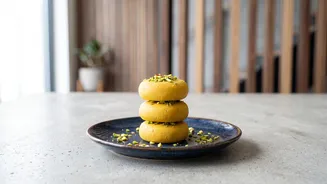
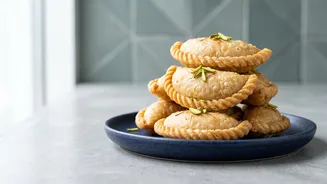
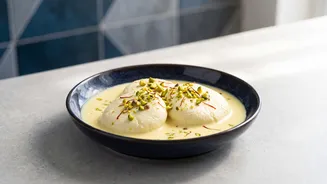
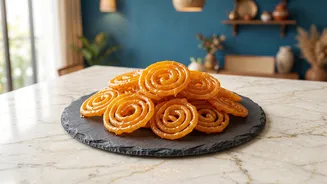
During festive periods like Diwali, Navratri, and Eid, the demand for certain foods skyrockets. These include milk and dairy products like khoya (mawa) and paneer, sweets (mithai), edible oils, and savouries. This surge puts immense pressure on the supply chain, creating an opportunity for unscrupulous producers to cut corners. To meet demand, some may resort to adulteration—the practice of adding cheaper, inferior, or sometimes harmful substances to food. Recent crackdowns ahead of the festive season have seen authorities seize and destroy thousands of kilograms of suspected adulterated khoya, paneer, and other sweets across the country.
The Usual Suspects: Common Adulterants
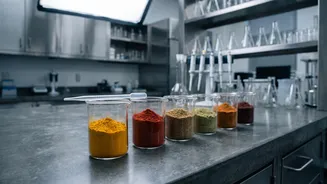
Adulteration is not random; specific items are targeted with common additives. Khoya and other milk-based sweets are frequently bulked up with starch, blotting paper, or even urea. The glistening silver foil (vark) on your kaju katli might actually be cheaper aluminium foil, which is toxic. Edible oils can be mixed with cheaper, lower-grade oils. Other common adulterants include non-permitted, vibrant chemical dyes in sweets to make them more attractive, chalk powder in sugar, and brick powder in chilli powder. These substances can cause a range of health issues, from minor stomach upsets and food poisoning to severe long-term damage to the liver and kidneys.
How to Be a Smart and Safe Consumer
While regulatory bodies like the FSSAI conduct inspection drives, consumer vigilance is the most effective shield against adulteration. First, always try to buy from reputable and licensed shops; look for the FSSAI license number displayed on the premises. Be wary of sweets that are unnaturally bright or colourful, as they may contain harmful dyes. Trust your senses—stale or adulterated mawa, for instance, may have a sour taste or a musty smell. There are also simple tests you can do at home. For example, to test for starch in khoya or milk products, boil a small sample in water, let it cool, and add a drop of iodine solution. If it turns blue, starch is present. Similarly, pure milk will flow slowly down a slanted surface, leaving a white trail, whereas milk adulterated with water will flow quickly without leaving a mark.
Making Your Voice Heard
If you suspect a food product is adulterated, you have the power to act. The FSSAI encourages consumers to report such instances. You can file a complaint through their online portals or contact your local food safety officer. Authorities are increasingly using real-time data systems to track inspections and outcomes, making consumer reports more critical than ever in identifying hotspots for adulteration. By being a watchful consumer, you not only protect your own family but also contribute to a safer food ecosystem for everyone. Consider making sweets at home when possible, as it gives you complete control over the ingredients and their quality.