




A Diplomatic Arrival
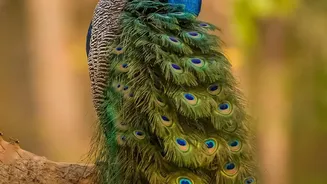
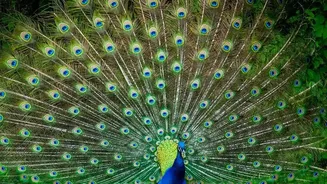
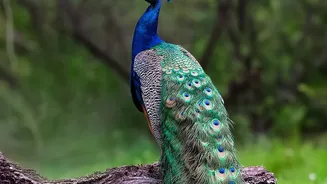
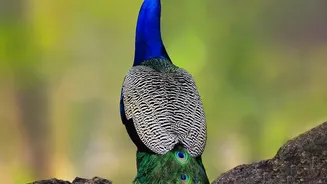
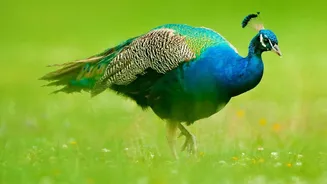
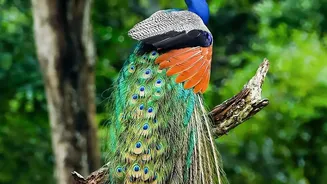
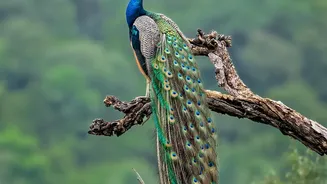
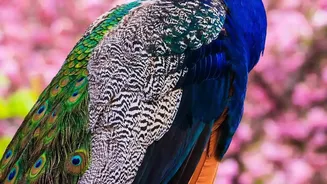
On a recent Friday, the tranquil grounds of the Palais des Nations in Geneva, the UN's European headquarters, welcomed five new, distinguished residents: four blue Indian peafowl and one rare white male. In a special ceremony, India's Permanent Representative
to the UN in Geneva, Ambassador Arindam Bagchi, formally handed over the birds to UNOG Director-General Tatiana Valovaya. The gesture was immediately hailed as a continuation of a long-standing tradition at the site. The birds, whose blue and white plumage coincidentally match the UN's official colours, will spend three months acclimating in a temporary aviary within Ariana Park before being allowed to roam the 46-hectare estate freely.
Echoes of 1981
This event marks the second time India has made such a gift, creating a direct link to a similar diplomatic moment 45 years ago. In 1981, then-Prime Minister Indira Gandhi sent a breeding pair of peacocks from the Delhi Zoo to Geneva. That gesture, like the current one, was a statement of India's partnership with the United Nations and its commitment to multilateralism. At the time, India was navigating a complex Cold War world, and such acts of cultural outreach were a key part of its foreign policy. Reviving this tradition today connects two distinct eras of Indian diplomacy, highlighting both continuity and the nation's evolved global standing.
A Symbol of Pride and Heritage
The choice of the peacock is deeply significant. As India's national bird, the Indian peafowl, or Pavo cristatus, is a powerful symbol of grace, beauty, and resilience. It is woven into the fabric of Indian culture, appearing in ancient art, architecture, literature, and mythology for centuries. The Mauryan dynasty, founded by Chandragupta Maurya, is even said to be named after the peacock. By presenting its national bird on an international stage, India is sharing a piece of its rich natural heritage and cultural identity. The Indian mission in Geneva noted that the gift represents the country's commitment to biodiversity and environmental stewardship.
The Art of Soft Power
This donation is a classic example of "soft power"—the ability to influence and attract through cultural appeal rather than coercion. In a world often dominated by hard-nosed negotiations, such gestures create goodwill and foster a positive atmosphere for dialogue. The UN even quipped, "Move over, panda diplomacy," acknowledging the strategic value of such acts. By gifting the peacocks, India is not seeking a specific political outcome but is strengthening its cultural footprint and reinforcing its image as a nation with a rich civilizational heritage. This move is part of a broader strategy seen in initiatives like the International Day of Yoga and the use of cultural themes during its G20 presidency.
A Century-Old Tradition
While India's gift is significant, the presence of peacocks in Ariana Park predates even the United Nations itself. The tradition began in the late 19th century when the original owner of the estate, Gustave Revilliod, bequeathed the land to Geneva with the condition that his beloved peacocks be allowed to roam freely forever. Over the years, the flock has been sustained by various donations, including from a Japanese zoo in 1997. India's contribution helps replenish a dwindling population—which had recently fallen to a single bird—ensuring this unique feature of the UN's Geneva campus endures for years to come.