








The Tyranny of Distance and Cost
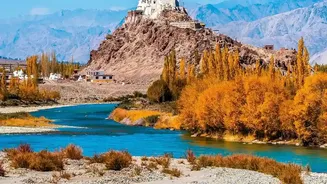
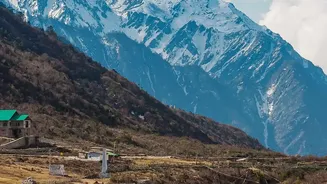
Imagine living in a place where the nearest high court or specialised medical school is a gruelling, multi-day journey across treacherous mountain passes. This has been the reality for the residents of Ladakh. For generations, aspiring doctors had no
choice but to relocate to other states, often at great financial and emotional cost to their families. Many never returned, contributing to a persistent brain drain. Similarly, those seeking justice from the High Court had to travel to Srinagar or Jammu, a journey where travel expenses could easily exceed the actual cost of litigation. This 'tyranny of distance' made both advanced healthcare and higher judicial remedies seem like remote luxuries rather than fundamental rights for many in the high-altitude desert.
A New Era for Healthcare and Education
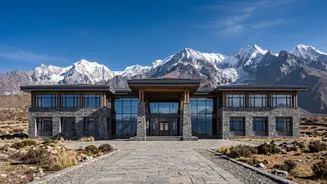
The establishment of Ladakh's first government medical college in Leh is poised to change this narrative permanently. Set to become operational in the 2027-28 academic year, the college represents a fulfillment of a long-standing local aspiration. In a significant move, the Union Ministry of Health and Family Welfare has approved the recruitment of 103 faculty and staff members even before the campus construction is fully complete, fast-tracking its launch. Initially, the college will operate from temporary buildings, with clinical training provided at the existing Sonam Norboo Memorial (SNM) Hospital in Leh. This development is expected to not only provide opportunities for local students to pursue medical education close to home but also to significantly bolster the region's healthcare infrastructure and availability of doctors in the long run.
Justice at the Doorstep
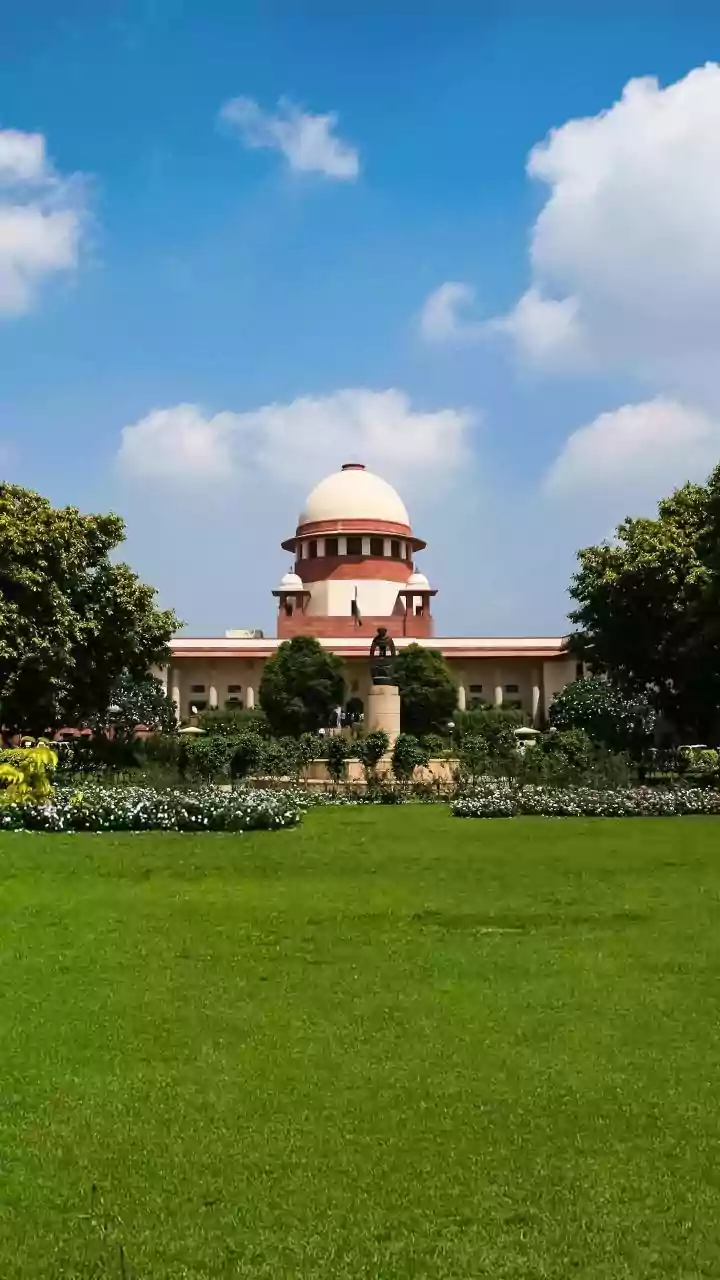
In parallel, access to justice has taken a giant leap forward. In August 2026, the establishment of a bench of the High Court of Jammu and Kashmir and Ladakh to sit in Leh was approved, with the President of India promulgating the necessary regulation. The new bench was inaugurated in October 2026, finally bringing the High Court to the people of Ladakh instead of forcing them to cross mountain passes to reach it. At the inauguration, the Chief Justice of India remarked that what matters is not how high the court sits, but how close it stands to the people it serves. This move drastically reduces the time and expense for litigants and lawyers. Furthermore, in an effort to integrate the local bar, it was announced that a special Supreme Court bench would hear pending cases from Ladakh virtually, allowing local lawyers to argue from the new High Court bench in Leh itself.
More Than Just Buildings
The practical value of these institutions extends far beyond their immediate functions. They are powerful engines for local economic development, creating jobs not just for doctors and lawyers, but for a wide range of support staff and ancillary services. They foster community empowerment by reducing the outward migration of talented youth and encouraging them to invest their skills back into their homeland. For a region with unique geographical and cultural characteristics, having local institutions means that solutions can be tailored to local problems, whether in public health or legal matters. Ultimately, these developments are a powerful symbol of decentralisation, strengthening democratic resilience and ensuring that the fruits of governance reach the nation's most remote corners. They represent a shift from a top-down model to one where essential services are built from the ground up, responsive to the needs of the community they serve.