




A Much-Needed Insurance Policy
Relying on a single habitat, no matter how well-protected, is a high-stakes gamble. A single disease outbreak, like the canine distemper virus that has affected the lion population before, or a natural disaster could be catastrophic for the species. Conservation
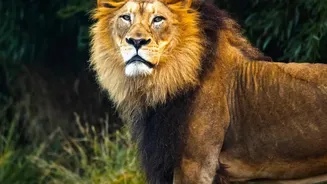
experts have long argued for the establishment of a geographically separate population to act as an insurance policy. The ‘Project Lion’ initiative aims to do just that by creating new habitats to manage the growing population, which has expanded beyond Gir's boundaries. Barda Wildlife Sanctuary, located about 100 kilometres from Gir, has been identified as the most promising site for this crucial project.
A Familiar Landscape
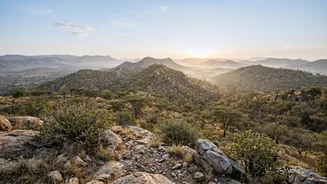
One of the primary reasons for the optimism surrounding Barda is its ecological similarity to Gir. Historically, lions roamed this landscape, with one male naturally returning after 144 years, a move that spurred current conservation efforts. The sanctuary's terrain features a mix of southern tropical, dry mixed deciduous, and thorn forests, providing the kind of cover and environment that lions are known to thrive in. A recent study published in the journal 'PLOS One' confirmed that the habitat is suitable, noting that radio-collared lions are actively using the sanctuary's forests and grasslands to establish their territories. The Gujarat government has also committed significant resources, restructuring the local forest division to enhance management and protection for the new lion population.
Bolstering the Prey Population
A sustainable lion population needs a robust and reliable food source. While Barda has a native population of animals like wild boar and nilgai (blue bull), researchers identified that the prey base needed to be strengthened to support a growing number of predators. To address this, authorities have been actively translocating herbivores into the sanctuary. Since 2025, hundreds of chital (spotted deer) and sambar have been systematically moved from Gir to Barda to increase the prey density. This proactive effort is designed to ensure that as the lion population grows, there will be enough wild prey to sustain them, reducing their reliance on domestic livestock and minimising potential conflicts.
Engaging the Human Element
Successful wildlife conservation cannot happen without the support of local communities. The area around Barda is home to several ethnic groups, including pastoral communities known as 'maldharis'. To ensure a harmonious coexistence, the Gujarat government has initiated a voluntary relocation scheme, offering financial incentives for families living inside the sanctuary to move to areas with better access to education, healthcare, and employment. This frees up the core habitat from human pressure. Furthermore, the government has begun promoting ecotourism in Barda, creating opportunities for local residents to work as guides and safari operators, giving them a direct economic stake in the success of the conservation project.
A Promising but Cautious Outlook
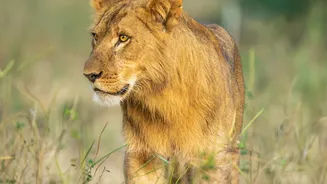
The initial signs are overwhelmingly positive. Studies on the first few lions in Barda—a mix of natural dispersers and translocated females—show they are establishing home ranges and adapting well. The population has already grown to 17 individuals. However, researchers are cautious, noting that their conclusions are based on short-term data. While Barda is seen as a vital buffer and a second stronghold, some experts argue its proximity to Gir means it isn't a truly separate population immune from the same large-scale threats. Despite these debates, the consensus is that the development of Barda is a monumental step forward, providing much-needed breathing room for Gujarat's, and the world's, only wild Asiatic lions.