



The Nutritional Power Trio
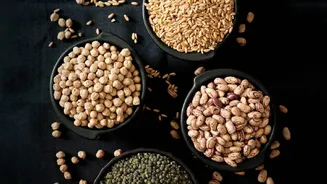
The magic of combining cereals, pulses, and vegetables lies in nutritional synergy. Cereals like rice and wheat are excellent sources of carbohydrates for energy. Pulses, such as dals, chickpeas, or kidney beans, are packed with protein. Individually,
most plant proteins are 'incomplete', meaning they lack one or more of the nine essential amino acids our bodies can't make. However, when you pair a cereal with a pulse — think dal and rice — their amino acid profiles complement each other, creating a 'complete protein' that is crucial for muscle repair and overall immunity. Vegetables complete this powerful trio. They load your plate with essential vitamins, minerals, and dietary fibre. Fibre is vital for good digestion, helps keep you feeling full, and can regulate blood sugar levels. Together, this combination creates a well-rounded meal that provides sustained energy, builds strength, and protects your body.
Beyond Dal, Roti, and Sabzi
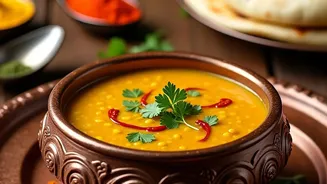
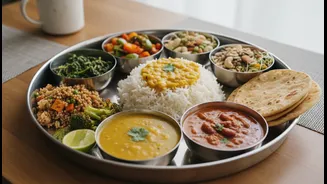
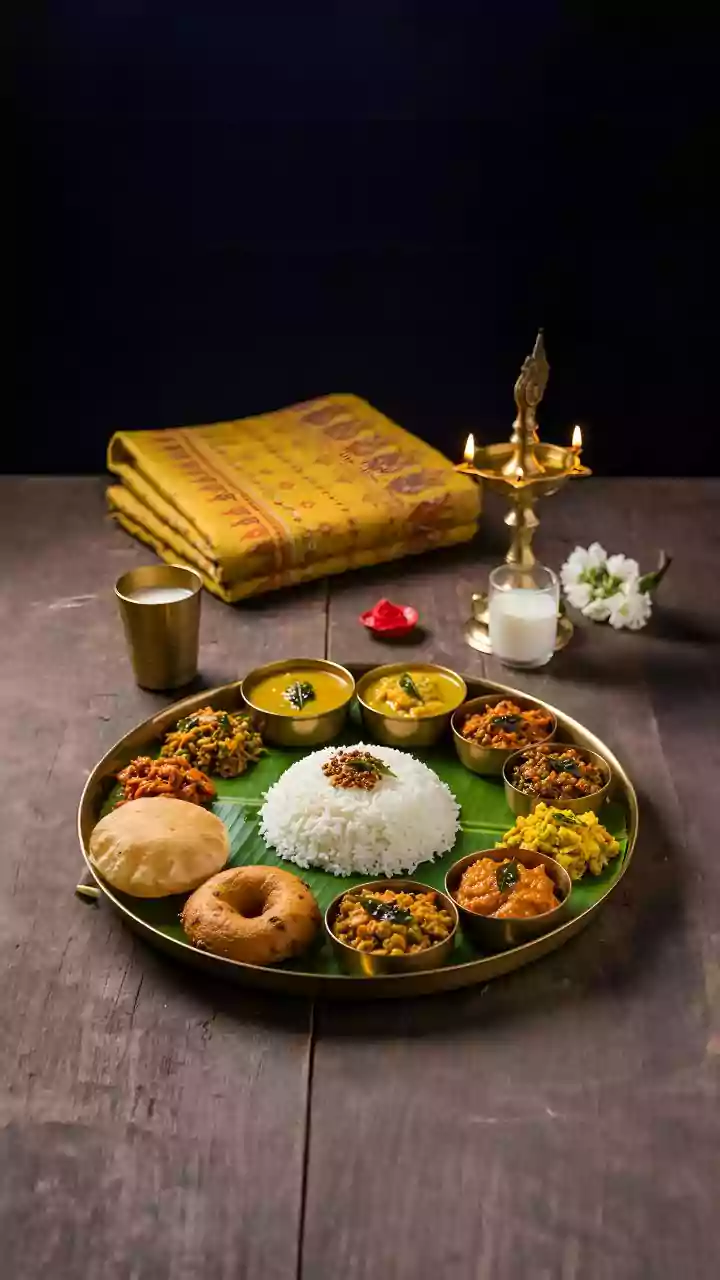
The classic North Indian meal of dal, roti (a cereal), and sabzi (vegetables) is a perfect example of this principle. But this versatile formula is found across India in countless delicious forms. The South Indian plate might feature rice with sambar (a lentil-vegetable stew) and a side of poriyal (stir-fried vegetables). A hearty bowl of khichdi, which cooks rice and lentils together and is often loaded with vegetables, is a one-pot wonder that delivers complete nutrition. Other examples include rajma-chawal from the North, pav bhaji where the bhaji is a mash of vegetables and pulses served with bread, or even a simple dosa with sambhar. This isn't a restrictive diet; it's a flexible framework that celebrates regional diversity and seasonal ingredients. The traditional Indian thali is the ultimate expression of this concept, artfully arranging small portions of various dishes to create a complete and satisfying meal.
Your Blueprint for a Practical Plate
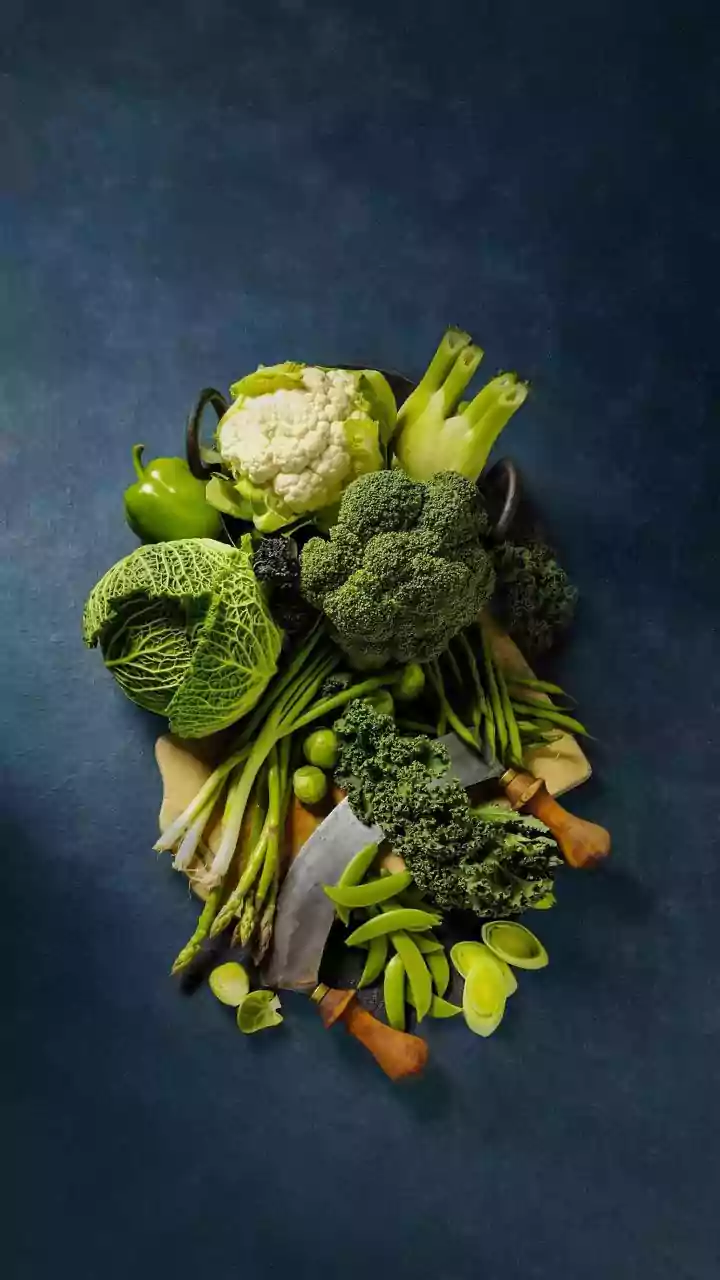
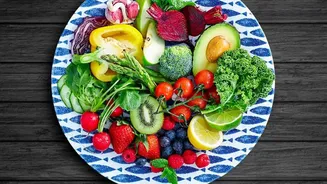
Building your own practical plate doesn't require complex calculations. A simple visual guide is the most effective tool. Imagine your plate divided into three sections. Fill half of your plate with a colourful variety of vegetables. This could be a cooked sabzi, a fresh salad, or a combination of both. The more colours you include, the wider the range of nutrients you'll get. The remaining half of your plate should be split evenly between a cereal and a pulse. This means one-quarter of your plate is for your grain — be it a serving of brown rice, a couple of whole-wheat rotis, or a portion of millets. The final quarter is for your protein-rich pulse, like a katori of dal, a serving of chana masala, or a bean-based curry. This simple ratio ensures you get a balanced intake of macronutrients—carbohydrates, proteins, and fats—along with vital micronutrients.
Tips for a Busy Lifestyle
Eating healthy shouldn't feel like a chore, even with a busy schedule. A little planning can make it easy to assemble these practical plates throughout the week. Try batch cooking your staples. Cook a large pot of dal or chickpeas over the weekend that you can use for several meals. Grains like rice and quinoa can also be cooked in advance and stored in the fridge. Pre-chopping vegetables like onions, carrots, and bell peppers can significantly cut down on cooking time during the week. Use your freezer to store cooked pulses or leftover gravies. These small steps in meal preparation mean that a nutritious, home-cooked meal is always just a few minutes away from being assembled, making it easier to resist unhealthy takeout options on a busy evening.