

From Heirloom to Hot Commodity
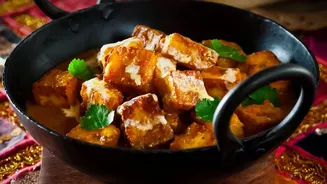
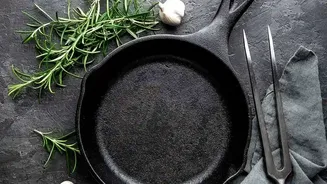
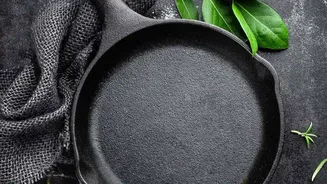
Cast-iron cookware, from the humble tawa to the deep kadai, has been a part of Indian culinary traditions for centuries. While it was temporarily overshadowed by lighter, non-stick alternatives, a significant revival is underway. Market reports show a steady
growth in demand for cast iron in India, driven by a new wave of health-conscious consumers. Many are becoming wary of the synthetic coatings on modern non-stick pans, which can break down at high temperatures and release chemicals. This shift represents a return to a more sustainable and durable way of cooking, where one pan can last for generations.
The Flavour and Health Advantage
The benefits of cooking with cast iron are twofold: superior taste and improved health. Its remarkable ability to retain and distribute heat evenly means food cooks uniformly, creating perfect sears on kebabs and crispy, golden-brown dosas. This even heating helps develop richer, deeper flavours that are hard to replicate in other types of pans. On the health front, cast iron is a naturally chemical-free cooking surface. Furthermore, it can fortify food with small, safe amounts of dietary iron, a mineral particularly important in many Indian diets. Unlike non-stick pans that require replacement, a well-maintained cast-iron pan only gets better with age.
The Art of Seasoning: A Beginner’s Guide
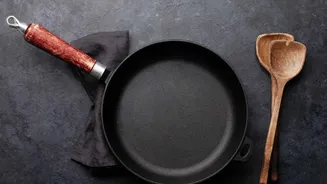
The secret to a great cast-iron pan is its "seasoning." This isn't about adding spices; it's the process of baking oil onto the surface to create a natural, non-stick layer. While many new pans come pre-seasoned, maintaining this layer is key. The process is simple: after washing and thoroughly drying your pan, apply a very thin layer of cooking oil (like vegetable or canola oil) to the entire surface. Place it on the stove and heat it until the oil begins to smoke lightly, then let it cool completely. Repeating this process periodically will build a durable, slick surface that makes cooking and cleaning a breeze.
Daily Care and Common Myths
Caring for cast iron is a ritual, but it's not as difficult as many believe. The golden rule is to avoid letting it soak in water, which can lead to rust. After cooking, clean it while it's still warm using hot water and a soft brush. What about soap? The old rule to never use soap dates back to when soaps contained lye, which would strip the seasoning. Today's mild dish soaps are generally safe to use in small amounts for a quick wash, but avoid harsh scrubbing. The most critical step is to dry your pan thoroughly immediately after washing. You can towel dry it and then place it on a low flame for a few minutes to evaporate any remaining moisture, preventing rust.
Choosing Your First Pan
Ready to join the revival? For an Indian kitchen, a cast-iron tawa for rotis and dosas, and a kadai for curries and deep-frying are excellent starting points. Look for pans with a smooth finish and a comfortable handle. While traditional, rustic pans are great, many new Indian brands now offer pre-seasoned, well-designed cookware that is ready to use right out of the box. Whether you're buying new or restoring a family heirloom, remember that a little patience during the initial seasoning and consistent care are all it takes to unlock the potential of this timeless kitchen tool.