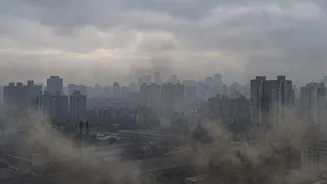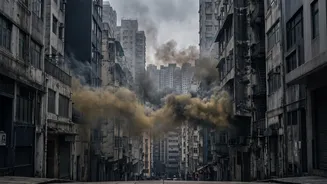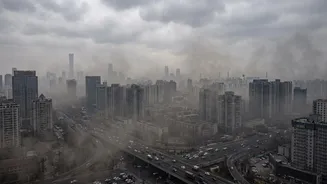







From a Game of Chance to a Certain Threat
For years, the conversation around Delhi's air pollution has been framed in terms of 'risk'. Residents faced an increased 'chance' of developing respiratory illnesses, heart conditions, or cancer. However, the medical community's tone is now hardening.
The sheer consistency and severity of the pollution, with PM2.5 levels soaring to many times the safe limits set by the World Health Organization, has led some experts to reframe the issue. The new warning suggests that for those with prolonged exposure, certain health consequences are moving from a possibility to a near-inevitability. This isn't just about a seasonal cough or irritated eyes anymore; it's about a 'continuous assault' on the body that leads to irreversible damage.
How Your Body Loses the Battle
The primary culprit is PM2.5—particulate matter so fine it can bypass the body's natural defences and travel deep into the lungs. Once there, it causes inflammation and cellular damage. But the assault doesn't stop in the respiratory system. These toxic particles can enter the bloodstream, circulating throughout the body. This triggers systemic inflammation and oxidative stress, affecting blood vessels and major organs. Dr. Anshul Kumar Jain, a Delhi-based cardiologist, notes that the heart and blood vessels can be under extra strain even when a person feels perfectly fine. Over time, this constant internal battle weakens the body, making it susceptible to a host of chronic conditions and reducing its ability to fight off infections.
The Diseases on the 'Guaranteed' List
While no doctor can guarantee a specific disease for a specific individual, at a population level, the outcomes of long-term exposure are becoming clearer. Chronic Obstructive Pulmonary Disease (COPD), a progressive lung disease that makes it hard to breathe, is a primary concern. Unlike asthma, which can be managed, the lung function lost to COPD is often irreversible. Beyond the lungs, the constant inflammation and strain on the cardiovascular system significantly increase the long-term likelihood of heart attacks, strokes, and high blood pressure. Furthermore, experts have pointed out that air pollution itself is carcinogenic, raising the incidence of lung, bladder, and breast cancers, and even making treatments less effective for those already diagnosed.
A Crisis for the Youngest Lungs
If the situation is dire for adults, it is a full-blown crisis for children. Children breathe more air relative to their body weight and their lungs are still developing, making them exceptionally vulnerable. The damage done during these crucial growth years can be permanent. Reports have indicated that a staggering number of children in Delhi may already have irreversible lung damage due to air quality. This early-life exposure doesn't just manifest as childhood asthma; it lays the groundwork for a lifetime of compromised health, potentially increasing the risk for diabetes and other adult-onset diseases. The UN has warned that polluted air puts children at a heightened risk of acute respiratory infections, which can be severe.
What Can Be Done Now?
While the scale of the crisis requires urgent systemic change—tackling vehicle emissions, construction dust, and crop burning—doctors stress the importance of personal mitigation. On days with high pollution levels, the advice is clear: stay indoors as much as possible, especially during early morning and late evening hours when pollution is often at its peak. If you must go out, a well-fitted N95 mask is essential. At home, using an air purifier with a HEPA filter can significantly reduce indoor particulate matter. It is also crucial to monitor for symptoms like persistent coughing, wheezing, or breathlessness and to seek medical advice promptly. For those with pre-existing conditions like asthma or heart disease, following prescribed treatment without fail is non-negotiable.