







An Ambitious Push for Clean Air
The Delhi Cabinet has officially approved the Delhi Electric Vehicle Policy 2026, a comprehensive framework set to run until March 2030. The government will invest approximately ₹15,000 crore over the next four years to drive this transition. The core
objective is to drastically reduce vehicular emissions, a primary contributor to Delhi's severe air pollution, by accelerating the adoption of electric vehicles. This policy succeeds the city's 2020 EV policy, building upon its foundation with more aggressive targets, robust infrastructure goals, and significant financial incentives for consumers and fleet operators. Industry leaders have lauded the move, suggesting it could set a benchmark for other Indian cities grappling with similar environmental challenges.
Powering Up: A Massive Infrastructure Overhaul
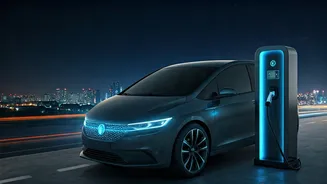
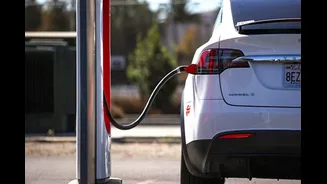
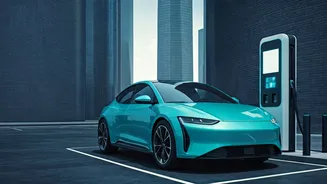
A major barrier to EV adoption has always been 'range anxiety'—the fear of running out of power with no charging station in sight. This new policy addresses that head-on by planning a massive expansion of charging infrastructure. The government intends to install approximately 32,000 new public charging points across the city over the next four years. This initiative will involve developing charging hubs in high-traffic areas like markets and commercial centres, with the Municipal Corporation of Delhi (MCD) identifying and providing land for these projects. The plan also emphasizes the development of battery-swapping stations and creating a single-window clearance system to streamline the process for charging operators, making it easier and faster to build out the network.
Making the Switch Affordable for Everyone
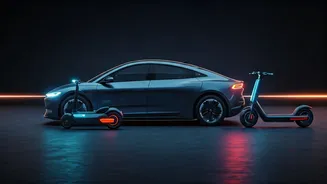
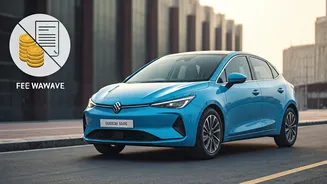
To encourage residents to make the switch, the policy includes a wide range of direct financial benefits. For the crucial two-wheeler segment, which makes up a large portion of Delhi's vehicles, buyers can receive a purchase incentive of up to ₹30,000 in the first year of the policy. This amount will gradually decrease in the second and third years to encourage early adoption. Similarly, buyers of electric three-wheelers are eligible for an incentive of ₹50,000 in the first year. The policy also targets the commercial sector, offering a subsidy of up to ₹1 lakh for certain categories of new electric goods carriers. Furthermore, all-electric cars with an ex-showroom price up to ₹30 lakh will be granted a 100% exemption on road tax and registration fees.
Rewarding the Scrappage of Older Vehicles
In a dual-pronged approach to clean the city's air, the policy not only promotes new EVs but also incentivizes the retirement of older, more polluting vehicles. A significant scrapping incentive of ₹1 lakh is being offered to owners of BS-IV or older cars who scrap their vehicle and purchase a new electric car priced under ₹30 lakh. This particular benefit is limited to the first 100,000 applicants to spur immediate action. Scrappage benefits are also available for other vehicle categories. Owners who scrap their old two-wheelers can receive ₹10,000, while those retiring old three-wheelers can get ₹25,000, providing an extra financial cushion for those transitioning to electric mobility.
The End of an Era for Petrol and CNG
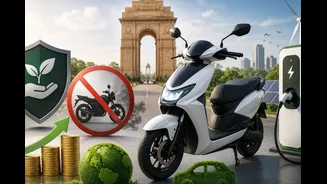
Perhaps the most assertive element of the new policy is the introduction of hard deadlines for phasing out new registrations of internal combustion engine (ICE) vehicles in key segments. From January 1, 2027, the government will only permit the registration of new electric three-wheelers, including both passenger autos and goods carriers. An even bigger shift will occur on April 1, 2028, after which no new petrol or CNG two-wheelers will be allowed for registration in Delhi. This mandate-driven approach signals a clear and irreversible shift towards an all-electric future for the city's most common modes of transport. The policy also requires school bus fleets to begin electrifying, with a target of 10% of their fleet becoming electric within two years.