


A Tale of Two States
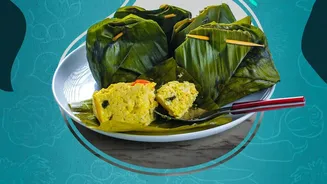
Suralichi Vadi is a beloved Maharashtrian delicacy. The name itself, 'surali,' means 'roll' in Marathi. Hop over to the neighbouring state of Gujarat, and you'll find the exact same dish celebrated under a different name: Khandvi. Regardless of the name,
this gluten-free snack is a testament to the culinary ingenuity of the region, transforming humble ingredients into something elegant and irresistible. It's a popular choice for appetizers, tea-time snacks, and festive gatherings.
The Heart of the Dish
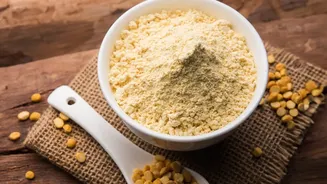
At its core, Suralichi Vadi is made from a simple batter of gram flour (besan) and yogurt or buttermilk (chaas). The quality of these ingredients is key. Slightly sour yogurt is often preferred to give the dish its characteristic tangy flavour. This base is seasoned with salt, turmeric for its vibrant yellow hue, and sometimes ginger and green chilli paste for a subtle kick of flavour. The crucial element is the ratio of flour to liquid, which must be precise to achieve the correct consistency for spreading.
The Make-or-Break Moment
The headline highlights the most critical and challenging step: cooking and spreading the batter. The gram flour mixture is cooked in a pan, requiring constant stirring to prevent lumps and ensure it becomes a smooth, glossy paste. Knowing when it's done is an art. A common test involves spreading a small amount on a plate; if it sets and can be peeled off into a roll, the batter is ready. The next part is a race against time. The hot batter must be spread immediately onto a smooth, flat surface—like the back of a steel plate or a clean countertop—in a layer as thin as paper. If you wait too long, the mixture will set in the pan and become impossible to spread.
The Art of the Perfect Roll
Once the thin sheets of batter have cooled and set, which only takes a few minutes, the magic continues. Using a knife or a pizza cutter, the sheets are cut into long, uniform strips, typically about two inches wide. Then, each strip is carefully and tightly rolled into a small, delicate cylinder. Some variations involve sprinkling a filling of grated coconut, fresh coriander, and spices over the sheet before rolling, adding another layer of texture and flavour. The finished rolls are arranged neatly on a platter, resembling a beautiful collection of savory pinwheels.
A Flavorful Finish
The final touch that elevates Suralichi Vadi is the tempering, or 'tadka'. Oil is heated in a small pan, and mustard seeds are added until they crackle. This is often followed by sesame seeds, asafoetida (hing), and curry leaves, which release their wonderful aroma into the hot oil. This fragrant, sizzling mixture is then poured evenly over the delicate rolls. The dish is finally garnished with a generous sprinkle of fresh, grated coconut and finely chopped coriander leaves, adding freshness and a slight sweetness to counter the savory rolls.
Tips for First-Timers
Making Suralichi Vadi can seem daunting, but a few tips can help ensure success. First, whisk your batter thoroughly to ensure it is completely free of lumps before you start cooking. Second, continuous stirring over a low to medium flame is non-negotiable to achieve that silky texture. Third, have your surfaces ready for spreading before the batter is cooked. Whether using the back of plates or a countertop, they should be clean and ready to go. Don't be discouraged if your first attempt isn't perfect; mastering the batter's consistency and the spreading technique is a matter of practice.