
A Mysterious Red Dot
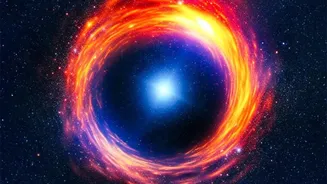
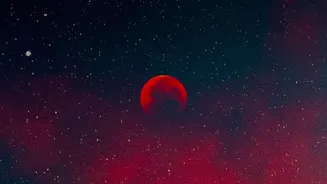
Deep-field images from the James Webb Space Telescope (JWST) are full of faint, distant galaxies. But recently, one object stood out. Labeled MoM-BH-1, it appeared as an exceptionally bright, red dot dating back to just a few hundred million years after
the Big Bang. At first, astronomers considered it might be a young galaxy seen through a thick veil of cosmic dust, which would make it appear red. However, when they analyzed its light, they found something that contradicted this idea. The object showed almost no evidence of any elements other than hydrogen and helium, the two lightest elements forged in the Big Bang. This pristine composition suggested it was something far more ancient and unusual.
A Recipe from the Dawn of Time
In astronomy, any element heavier than hydrogen and helium is called a 'metal'. Our own Sun is a metal-rich star, containing elements forged in previous generations of stars. The very first stars in the universe, known as Population III stars, were composed of almost nothing but pure hydrogen and helium. These stars were massive, lived short, violent lives, and exploded as supernovae, seeding the cosmos with the first heavy elements. The next generation of stars, Population II, formed from this lightly enriched gas. Finding an object as large as MoM-BH-1 with such a lack of metals is like finding a living fossil from the universe's infancy. It provides a direct window into the chemical environment of the cosmic dawn, before galaxies as we know them had fully formed.
The 'Black Hole Star' Hypothesis
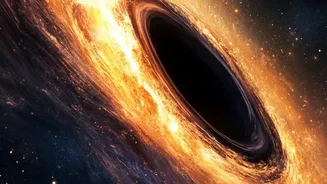
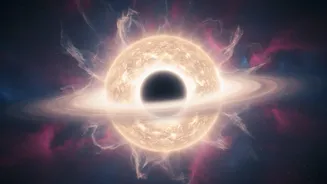
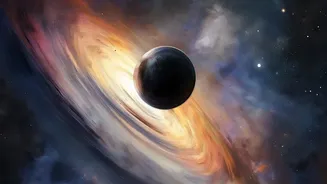
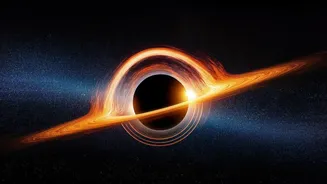
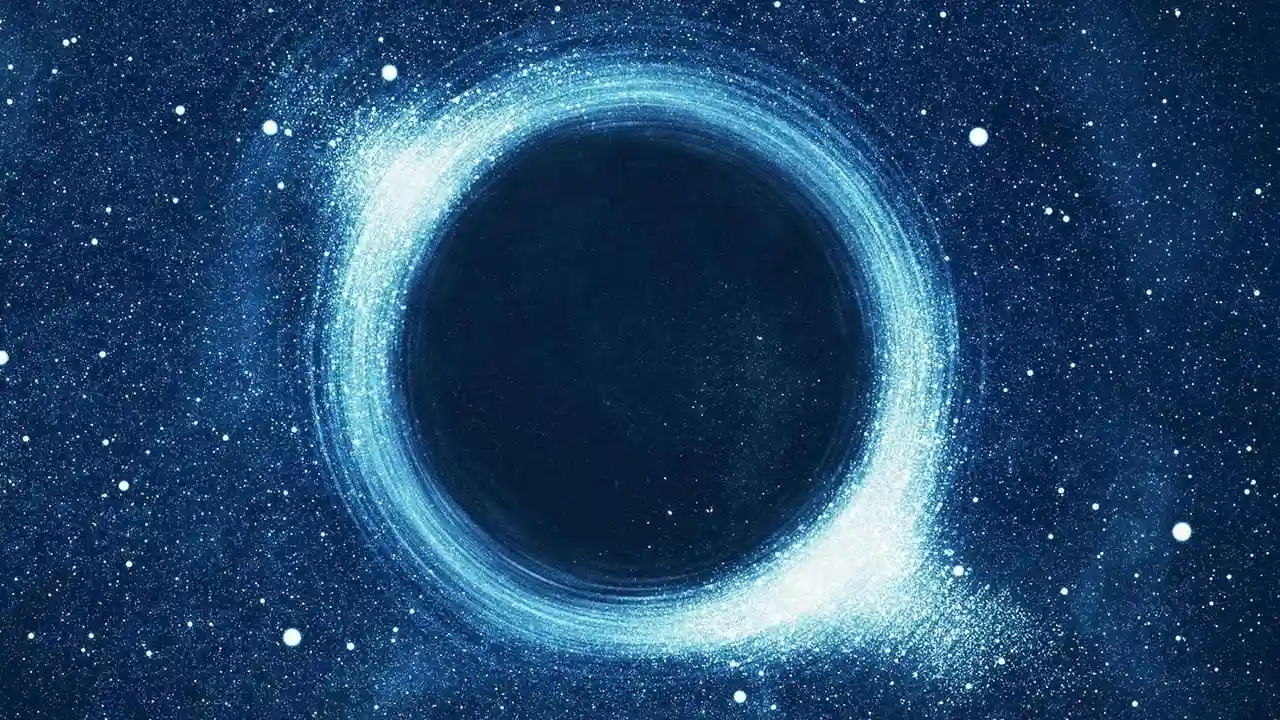
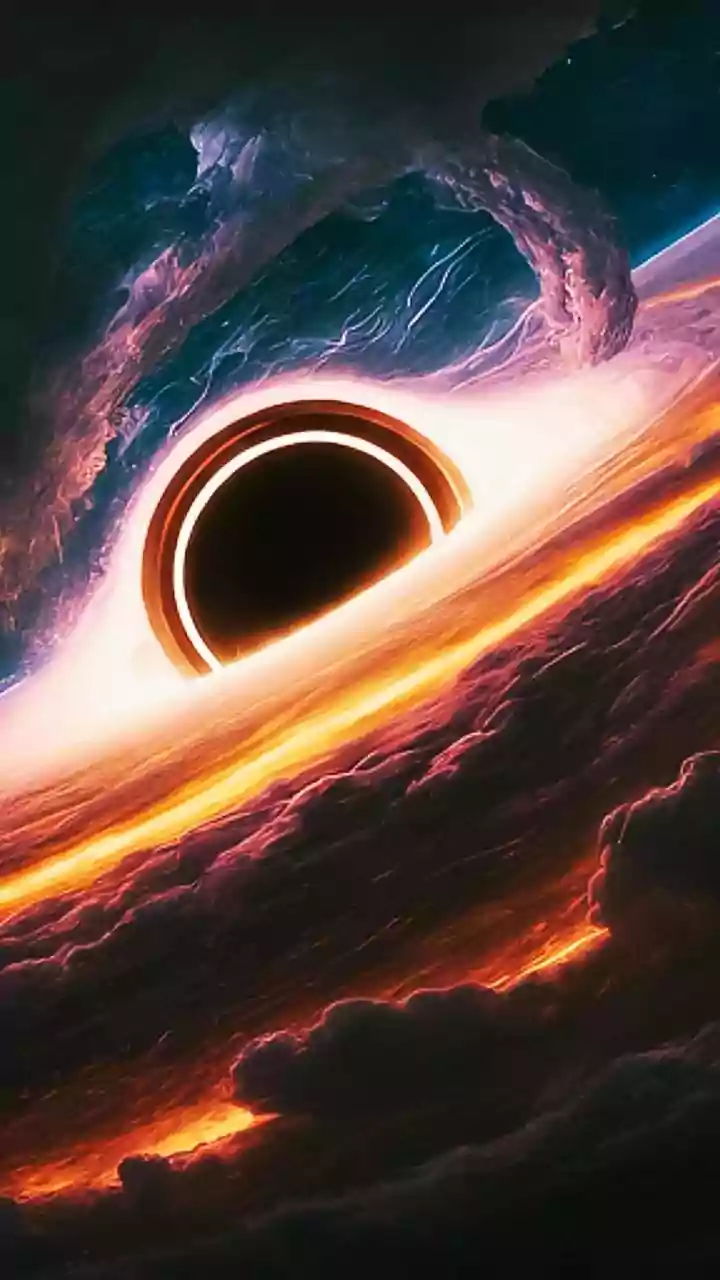
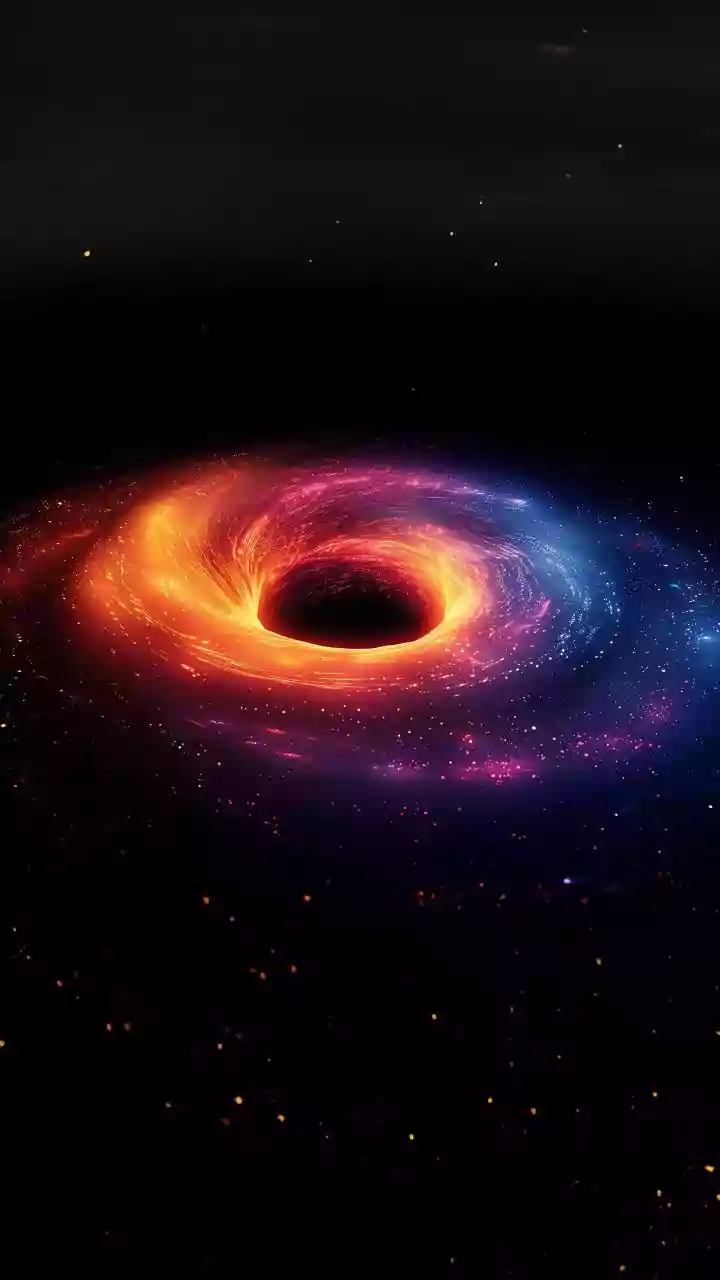
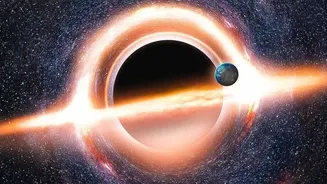
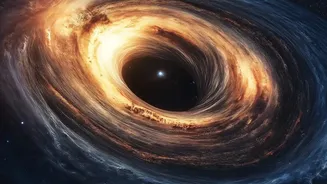
The object's incredible brightness posed another puzzle. It shines with the light of 100 billion suns, far too luminous to be powered by the nuclear fusion that makes normal stars shine. After running simulations, researchers from MIT and other institutions landed on a novel explanation. They theorize this isn't a star in the traditional sense, but a 'black hole star'. The idea is that a massive black hole, roughly 100,000 times the mass of our sun, sits at the center of a dense, star-like cocoon of hydrogen and helium gas that spans the size of our solar system. Instead of fusion, the object is powered by the immense energy released as gas from the envelope falls into the central black hole. This makes it a previously unobserved type of astrophysical object.
A New Chapter in Cosmology?
The discovery of MoM-BH-1 is exciting not just because it’s a 'first', but because it might solve other puzzles. For years, JWST has been spotting other, fainter 'little red dots' in the early universe, whose nature has been debated. If this 'black hole star' model holds up, it could provide a framework for understanding these other mysterious objects as well. MoM-BH-1 may simply be an exceptionally bright example of a whole new population of cosmic objects that were common in the early universe. These objects could represent a key transitional phase between the first stars and the first quasars—supermassive black holes actively feeding at the hearts of young galaxies. This finding could help explain how some black holes grew to be so massive so quickly after the Big Bang, a long-standing question in cosmology.