







A Blueprint for the Future
The Assam government has initiated a consultative process to create a comprehensive action plan for tourism at Kaziranga. In July 2026, Forest Minister Jayanta Mallabaruah held meetings with tour operators, hotel owners, and local community representatives
to gather suggestions for this new roadmap. Stakeholders have been asked to submit written recommendations, which will be used to finalize a forward-looking strategy before the next tourist season begins in October. This collaborative approach aims to ensure that the future of Kaziranga's tourism is built on a foundation of shared responsibility, balancing economic growth with the park's fragile ecology. The core objective is clear: to enhance the visitor experience and boost revenue without compromising the conservation efforts that have made Kaziranga a success story.
Beyond the Core Zone
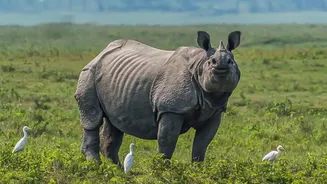
A key aspect of the proposed strategy involves looking beyond the park's crowded core areas. While confirming that the central zones of Kaziranga cannot remain open year-round due to the essential annual flood cycle and wildlife needs, the government is exploring ways to promote tourism-related activities in the periphery during the off-season. This move is designed to provide a more stable source of income for hotels, guides, and other local businesses that depend on tourism. Initiatives like developing new birdwatching circuits, such as the recently launched Panbari Birding Circuit in the Burapahar Range, are examples of this diversification. By creating specialized attractions in buffer zones, authorities hope to distribute tourist traffic more evenly and showcase the park's wider biodiversity.
Empowering Local Communities
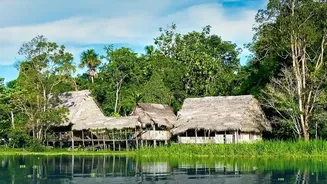
The new roadmap places a strong emphasis on ensuring that local communities are direct beneficiaries of the tourism economy. The government's stated aim is to create a model where every stakeholder reaps tangible benefits from future policies. This builds on existing community-based tourism efforts that have seen local people, particularly women, take the lead in running eco-friendly homestays and craft enterprises. These initiatives offer visitors an authentic cultural experience while providing sustainable livelihoods that are directly linked to the preservation of the surrounding environment. The plan also involves upgrading facilities for temporary forest workers, recognizing their crucial role in both conservation and visitor management.
A Sustainable Model for Indian Wildlife
Kaziranga's new direction is part of a broader vision for Assam to become a leader in sustainable tourism. The focus is shifting from simply increasing footfall to creating integrated experiences that connect nature, culture, and local communities. By strengthening eco-tourism infrastructure, promoting responsible practices, and ensuring that revenue from tourism is funneled back into conservation, Assam aims to set a new standard. The success of this roadmap in Kaziranga—a park that draws visitors from around the globe—could provide a powerful blueprint for other protected areas across India struggling to manage the delicate balance between tourism and conservation.