




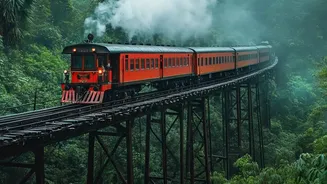
A New Era of Train Travel
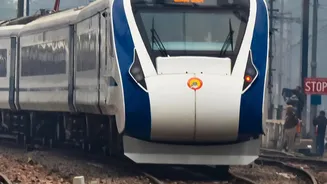
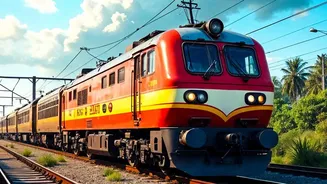
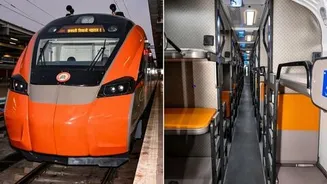
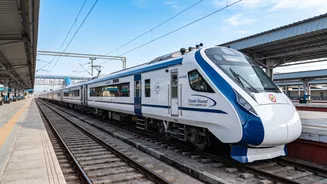
The launch of the Vande Bharat sleeper trains marks a significant upgrade for Indian Railways, offering a faster, more comfortable alternative to long-distance overnight travel. These premium, fully air-conditioned trains are designed to compete with
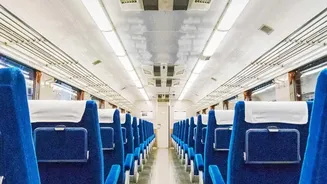
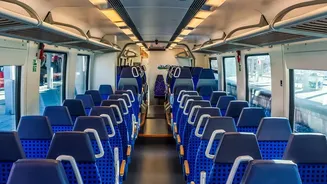
the likes of the Rajdhani Express, connecting major cities with reduced travel times. The train features three classes: AC First, AC 2-Tier, and AC 3-Tier, accommodating over 800 passengers. However, the excitement around these modern trains is coupled with confusion over a completely revamped booking system. For passengers accustomed to the usual scramble for tickets, the rules for the Vande Bharat sleeper are a game-changer, and not always in the way one might expect.
The Biggest Change: No Tatkal Quota
The single most important rule change for the Vande Bharat sleeper is the complete removal of the Tatkal and Premium Tatkal quotas. For years, travellers have relied on this last-minute booking window, which opens one day before departure, to secure tickets for unplanned or emergency journeys. According to railway officials, the decision to eliminate this quota is to encourage passengers to plan their travel in advance. All available berths are released under the General Quota when the Advance Reservation Period (ARP) opens, typically 60 days before the journey. This makes advance planning not just a good idea, but an absolute necessity.
Confirmed Tickets Only: No More Waiting Game
Another major departure from standard railway practice is the 'confirmed ticket only' policy. Vande Bharat sleeper trains will not issue Reservation Against Cancellation (RAC) or waitlisted tickets. If a search shows no available berths, that's it—there is no option to book a ticket in the hope that it gets confirmed later. This policy aims to prevent overcrowding and ensure a comfortable journey for all passengers, as only those with a confirmed berth will be allowed to board the train. While this provides certainty, it also removes the glimmer of hope that a waitlisted ticket might clear, a common experience on other Indian trains.
Understanding the General Quota (GN)
With the Tatkal quota gone, the General Quota (GN) is where the vast majority of seats are available. This is the main pool of tickets open to the public from the train's originating station to its destination and major intermediate stations. For the Vande Bharat sleeper, almost all of its 823 berths fall under this category. Success in the General Quota depends entirely on speed and timing. Tickets are booked on a first-come, first-served basis, starting from 8:00 AM when the booking window opens 60 days in advance. Given the high demand for these new trains, seats are expected to fill up within minutes of the booking opening.
What About Other Quotas?
While the General Quota is dominant, a small number of berths are set aside for specific categories. Indian Railways has allocated a Ladies Quota (LD), which reportedly consists of six berths in the AC 3-Tier coaches for women travelling alone or with young children. There are also quotas for Divyangjan (persons with disabilities), and a Senior Citizen/Lower Berth quota for men aged 60 and above and women aged 45 and above. A handful of berths are also reserved under the Headquarters/High Official (HO) Quota for railway officials and VIPs, and a Duty Pass (DP) quota for railway staff. However, these specialised quotas account for a very small fraction of the total seats, leaving most passengers to compete in the general pool.
The End of Flexible Fares
In a move that benefits passengers who plan ahead, the Vande Bharat sleeper trains will not feature dynamic or 'flexi-fare' pricing. This system, used on Rajdhani, Duronto, and Shatabdi trains, increases ticket prices as demand rises and the departure date approaches. On Vande Bharat sleepers, the fare is fixed, regardless of when you book. This provides transparency and predictability in pricing. The trade-off, however, is the lack of a premium, last-minute option like Premium Tatkal, which allowed travellers to secure a ticket by paying a higher, dynamic fare.