






Understanding Facial Layering
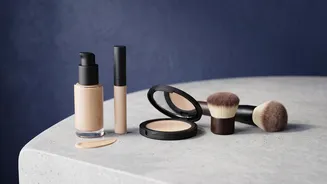
Facial layering is a makeup technique that involves applying products in thin, sequential veils to build coverage and dimension. Instead of applying one thick coat of foundation, you use multiple, sheer layers of different products—from skincare and primer
to foundation and blush. The goal is to create a seamless, skin-like finish that looks polished and lasts all day. The core principle is that each layer has a purpose: skincare hydrates, primer smooths the canvas, foundation evens tone, and so on. When done correctly, the products work in harmony, melting into the skin rather than sitting on top of it.
Why Less is More for Everyday
While layering is great for photography or special events, everyday makeup is viewed in natural light, which is far less forgiving. A heavy hand can quickly make your makeup look cakey, thick, and obvious. This happens when products, especially in thick amounts, sit on top of the skin instead of blending in, highlighting texture, fine lines, and pores. For a natural look, the philosophy must be 'less is more.' The aim is to enhance your features, not mask them. This means starting with the smallest amount of product and building up only where necessary. Applying makeup in thin layers prevents product overload and ensures the final look remains breathable and fresh.
A Step-by-Step Guide to Natural Layering
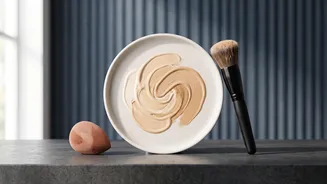
Achieving a flawless, everyday look through layering is all about the right steps and patience. First, start with impeccable skin preparation. Cleanse, then apply a lightweight moisturizer and allow it to fully absorb. This creates a hydrated canvas and prevents makeup from clinging to dry patches. Follow with a primer to create a smooth surface. Next, apply your base. Use a lightweight foundation or tinted moisturizer, starting with a small amount and blending from the center of your face outwards with a damp sponge or brush. Then, strategically apply concealer only where needed, such as under the eyes or on blemishes, and gently tap to blend. For dimension, use cream-based products like blush and bronzer before any powder, as they melt into the skin for a natural flush. Finally, lightly set your makeup. Use a translucent powder only on areas that tend to get oily, like the T-zone, and finish with a setting spray to melt all the layers together for a seamless finish.
Choosing the Right Products
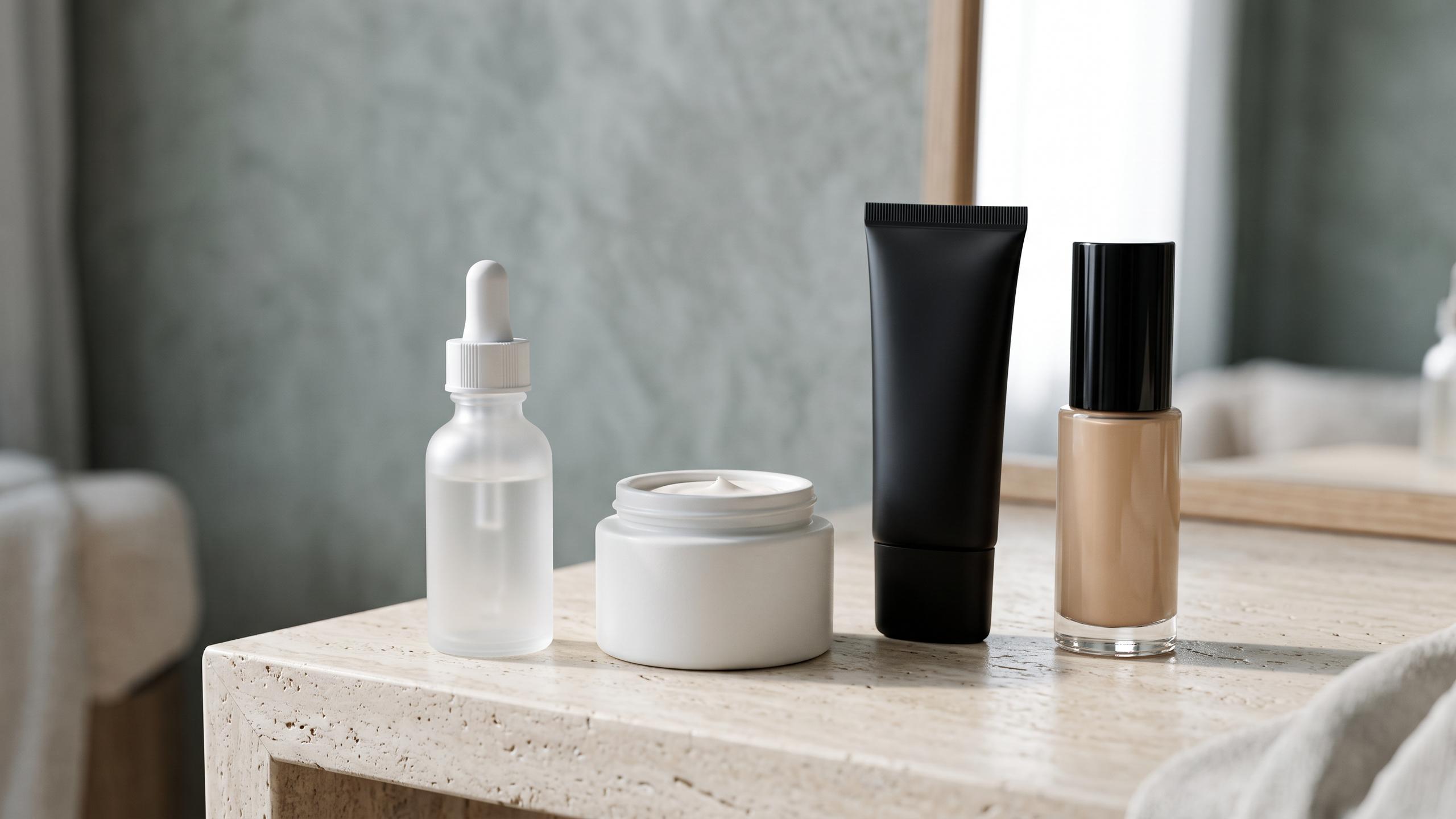
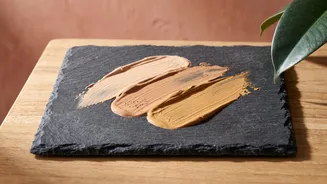
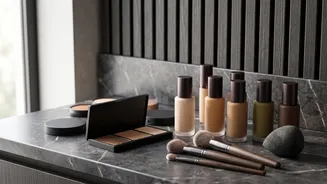
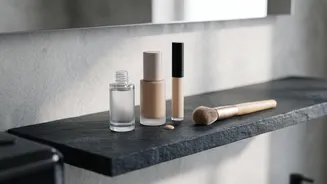
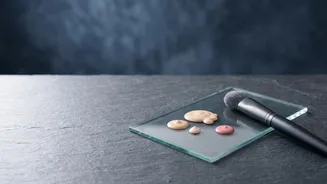
The success of your layered look depends heavily on the formulas you choose. Opt for lightweight, buildable products. Serum foundations, skin tints, and hydrating liquid foundations work well because they offer sheer-to-medium coverage that can be built up without adding weight. For color, cream blushes, liquid highlighters, and cream bronzers are ideal for a natural look. They blend seamlessly into a liquid or cream base and impart a 'lit-from-within' glow that powder formulas sometimes struggle to replicate. It's also crucial to ensure your products are compatible. As a general rule, layer water-based products with water-based, and silicone-based with silicone-based to prevent pilling or separation. Reading the first few ingredients on the label can help you determine the product's base.
Common Layering Mistakes to Avoid
One of the biggest mistakes is using too much product right from the start. Always begin with a minimal amount and add more only if needed. Another common error is not allowing each layer to set. Rushing the process by applying a new layer before the previous one has dried can cause products to mix and slide around. Give your moisturizer, primer, and foundation a minute or two to settle. Also, be mindful of the order. A good rule of thumb is to apply liquids and creams before powders. Applying a liquid foundation over a powdered face, for example, can lead to a patchy, uneven result. Finally, don't forget to use clean tools. Dirty brushes and sponges can cause streaky application and product buildup, undermining your careful layering technique.