




What Exactly Are Toe-Tapping Exercises?
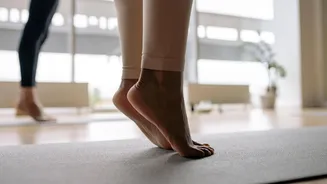
At its core, toe-tapping is a simple, rhythmic movement that can be done almost anywhere, from your office chair to your sofa. The most basic version involves sitting with your feet flat on the floor and lifting one foot to gently tap your toes on the ground
for a set duration before switching to the other foot. While there are more dynamic, cardio-focused versions that involve standing and tapping a step or box, the foundational seated exercise is a low-impact way to activate the muscles and joints in your lower legs, feet, and ankles without putting stress on them. Think of it as a gentle wake-up call for a part of the body that spends much of the day either stationary or confined in shoes.
The Subtle Power of a Simple Tap
Don't let the simplicity fool you; this gentle movement packs a surprising number of benefits. A primary advantage is improved circulation. The rhythmic muscle contractions help pump blood through the lower extremities, which can reduce feelings of numbness or tingling and is especially beneficial for those who sit for long periods. This boost in blood flow delivers more oxygen to cells and can even support immune function. Beyond circulation, toe taps enhance ankle mobility and foot flexibility. Regularly engaging these muscles helps maintain your range of motion, which is crucial for balance, preventing falls, and performing daily activities with ease. For some, the repetitive, gentle motion can also serve as a form of mindfulness, helping to reduce stress.
How to Do It Right
Proper form is key to getting the benefits without creating problems. For the most common and accessible version, follow these steps: Sit comfortably in a chair with your back straight and your feet flat on the floor, about hip-width apart. Keeping your heel on the ground as a pivot, lift the toes and front of one foot. Gently tap your toes on the floor repeatedly in a steady rhythm. Aim for about 30 seconds on one foot, then switch to the other. As you get more comfortable, you can increase the duration. There are many variations, including a Pilates-style version where you lie on your back with knees bent and lower one foot at a time to tap the floor, which engages the core muscles. No matter the variation, the movement should be controlled and deliberate.
The Golden Rule: Comfort, Not Pain
This is the most critical part of the exercise: it should never hurt. The goal is gentle activation, not a test of pain tolerance. You should feel the muscles in your shin and foot working, but you should not feel sharp, stabbing, or pinching pain. Pain is your body's signal that something is wrong. It could indicate an underlying issue like nerve irritation, arthritis, or a stress injury that needs attention, not aggravation. If you start to feel pain, stop immediately. It's better to reduce the range of motion or the speed of the taps than to push through discomfort. The aim is to feel a comfortable stretch and muscle engagement. Think of it as a fluid, easy motion rather than a forceful one.
Who Benefits and Who Should Be Cautious?
Toe-tapping exercises are beneficial for a wide range of people. Office workers can use them to combat the effects of a sedentary day. Seniors can find them a safe way to maintain joint mobility and improve balance. They are also often used in physical therapy settings to help with rehabilitation after certain injuries or surgeries, as they strengthen supporting muscles without high impact. However, they are not for everyone. If you have an acute injury like a broken toe, a severe sprain, or a condition like a plantar plate tear, you should avoid this exercise until cleared by a medical professional. Likewise, if you have chronic conditions such as severe arthritis, gout, or nerve-related foot pain, it is essential to consult with a podiatrist or physical therapist first. They can help determine if this exercise is appropriate for you and suggest modifications if needed.