



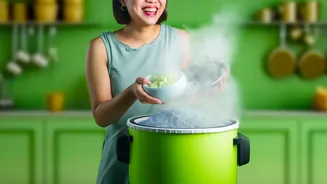

Choose Your Cooking Method Wisely
The way you apply heat to your food can dramatically alter its nutritional profile. While deep-frying is a popular technique for everything from samosas to pakoras, it adds significant calories and unhealthy fats. Healthier methods like steaming, baking,
and grilling should be your daily go-tos. Steaming is one of the best ways to preserve water-soluble nutrients like Vitamin C and B vitamins in vegetables. Methods like tandoori-style cooking in a clay oven also use minimal oil and are excellent for preparing meats and vegetables. Even when you sauté, you can replace most of the oil with water or vegetable broth, adding a tablespoon at a time to prevent sticking without adding fat.
Don't Overcook Your Vegetables
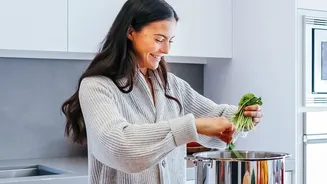
That vibrant colour in your vegetables is a sign of life and nutrients. When vegetables are overcooked, they not only become limp and lose their flavour, but they also lose a significant amount of their nutritional value. Heat, especially over long periods, destroys sensitive nutrients. For example, boiling can cause water-soluble vitamins like Vitamin C and B vitamins to leach out into the water. To retain the most nutrients, cook vegetables for shorter periods. Try to keep them slightly crunchy. This ensures you get more of the vitamins and minerals you're eating them for in the first place.
Leverage the Power of Spices and Herbs
Indian cuisine is celebrated for its masterful use of spices, and this is a major health advantage. Spices and fresh herbs add immense flavour, colour, and aroma to dishes without contributing salt, sugar, or fat. Many also come with their own health benefits, such as antioxidants and anti-inflammatory properties. Turmeric, ginger, cinnamon, and garlic are all packed with compounds that can boost health. Instead of relying on oil or ghee for flavour, learn to build complex tastes with a well-stocked spice box. Toasting whole spices in a dry pan for a few seconds before grinding can intensify their flavour even further.
Invest in the Right Cookware
The pots and pans you use can make a real difference in how much oil you need. A good quality non-stick pan allows you to sauté vegetables or cook an omelette with little to no oil. When choosing cookware, materials like stainless steel and carbon steel are considered safe and durable options for daily use. An air fryer is another modern appliance that can give you the crispy texture of fried foods with a fraction of the oil. For baking and roasting, using parchment paper on your baking sheets is an excellent way to prevent sticking without having to grease the pan.
Focus on Fresh, Whole Ingredients
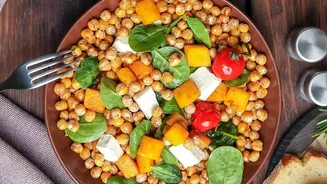
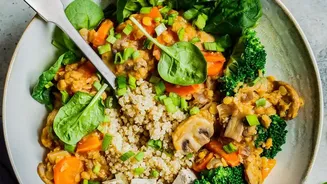
Ultimately, healthy cooking starts with healthy ingredients. Building your meals around fresh, seasonal vegetables, whole grains, lentils, and lean proteins is fundamental. Cooking can improve the body's ability to absorb certain nutrients, like the beta carotene in carrots and the lycopene in tomatoes. However, it's the quality of the raw ingredient that sets the foundation. The more you rely on processed and pre-packaged foods, the more likely you are to consume hidden fats, sodium, and preservatives. By focusing on whole foods, you not only have more control over what goes into your dish but also benefit from the fibre and micronutrients that are often stripped away during processing.