




Each December, Nagaland bursts into a carnival of culture at the Hornbill Festival. This 'festival of festivals' is more than an event; it's the perfect anchor for an unforgettable journey into the heart of Naga heritage and landscapes.
The 'Festival of Festivals': A Cultural Spectacle
The Nagaland Hornbill
Festival is an annual celebration that runs from December 1st to the 10th. Started by the state government in 2000, its primary aim was to encourage interaction among the state's diverse tribes and to preserve their unique cultural heritage for future generations. Named after the revered forest bird, the festival is held at the Naga Heritage Village of Kisama, located about 12 kilometres from the capital city, Kohima. It's a rare opportunity to witness the traditions of all 16 major tribes of Nagaland in one place, from their distinct songs and dances to their intricate crafts and rituals. This vibrant gathering transforms Kisama into a living museum of Naga life, offering a kaleidoscopic view of a proud and resilient culture.
What to Expect: Sights, Sounds, and Tastes
A trip to the Hornbill Festival is an immersive sensory experience. The main arena hosts a daily schedule of cultural performances, including warrior chants, folk songs, and thrilling battle re-enactments. Visitors can explore traditional tribal huts, known as 'morungs', where representatives from each tribe showcase their lifestyle and offer a warm welcome. The air is filled with the rhythmic beat of log drums and the aroma of Naga cuisine. Food stalls offer a chance to sample local delicacies like smoked pork, bamboo shoot preparations, and an array of chutneys made with the famed Naga king chilli. For those interested in contemporary culture, the Hornbill International Music Festival and Rock Contest bring high-energy performances to Kohima each evening.
Planning Your Journey to Kohima
The primary gateway to Nagaland is Dimapur, which has the state's only airport (DMU) and major railway station. Dimapur is connected by flights to major Indian cities like Delhi and Kolkata. From Dimapur, Kohima is a scenic road journey of about 74 kilometres, which can take two to three hours by taxi or shared cab. A crucial step for any visitor is obtaining the necessary permits. Domestic tourists from other Indian states need an Inner Line Permit (ILP), which can be applied for online. It is highly recommended to apply for the ILP two to three weeks in advance, especially for travel during the peak festival season.
Beyond the Festival: Exploring the Region
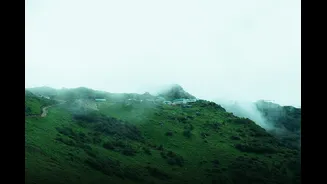
While the festival is the main draw, the surrounding region offers plenty to explore. In Kohima itself, the World War II Cemetery is a poignant and immaculately maintained memorial to the soldiers who died in the Battle of Kohima. For a deeper dive into Naga history and culture, the Nagaland State Museum is a must-visit. A short drive from Kohima is Khonoma, known as India's first 'green village', which showcases a remarkable story of community-led conservation and traditional agricultural practices. For the more adventurous, the breathtaking Dzukou Valley offers one of the most famous treks in the Northeast, with its rolling meadows and pristine streams. A trip to Dzukou requires proper planning and is best suited for those with a good level of fitness.
Essential Tips for a Smooth Trip
Accommodation in and around Kohima gets booked up months in advance, so it's critical to plan ahead. Options range from hotels in Kohima to authentic homestays in nearby villages and organised tented camps near the festival grounds at Kisama. December weather in the Naga Hills is cold, especially in the evenings, so packing warm layers is essential. While digital payments are becoming more common, it's wise to carry sufficient cash, as ATMs can be unreliable, particularly in more rural areas. Lastly, always be respectful of local customs. The people of Nagaland are known for their hospitality; a friendly attitude and a willingness to learn will make your experience all the more rewarding. Always ask for permission before taking photographs of people.