




The Core of the Matter: More Than a Six-Pack
When we talk about 'abs', the first image that often comes to mind is the rectus abdominis, the 'six-pack' muscle. However, a truly strong and functional core goes much deeper. Your deep abdominal muscles, particularly the transversus abdominis (TVA),
act like a natural corset, wrapping around your trunk to stabilize your spine and pelvis. This muscle is crucial for good posture, preventing lower back pain, and providing a solid foundation for all movement. Unlike the more superficial abs, you can't see the TVA, but its strength is fundamental to your overall physical health and how you perform both in and out of the gym. Strengthening this area helps support your internal organs and regulates internal abdominal pressure during activities from lifting groceries to coughing.
Pilates: The Art of Precision and Control
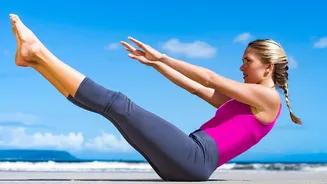
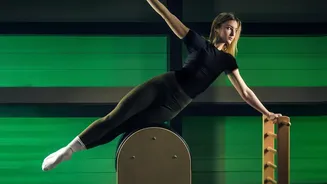
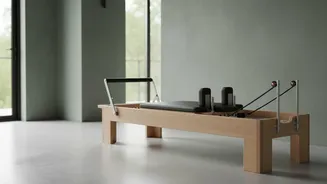
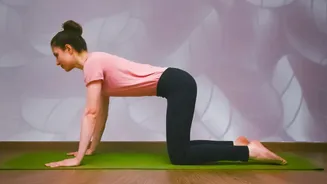
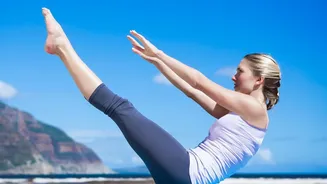
Pilates is renowned for its focus on core strength, and its primary target is the deep stabilizing muscles. The method is built on six principles: concentration, control, centering, flow, precision, and breathing. This isn't about high-impact, high-repetition work. Instead, Pilates uses controlled, deliberate movements to isolate and activate the TVA. By teaching you to 'draw your navel to your spine', Pilates helps you consciously engage this deep muscular corset. This precise muscle activation enhances body awareness, improves posture, and builds strength from the inside out. Studies have shown that Pilates is particularly effective at increasing the thickness and activation timing of the transversus abdominis, making it an excellent choice for building foundational core stability and preventing injury.
Circuit Training: The High-Energy Functional Challenge
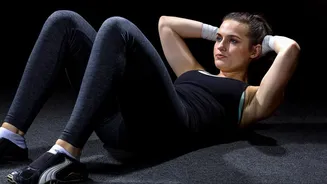
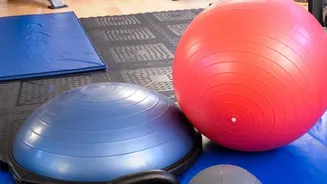
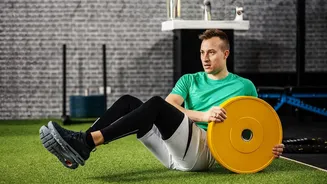
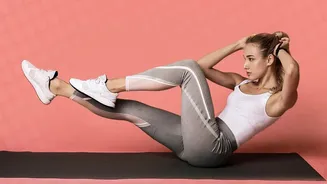
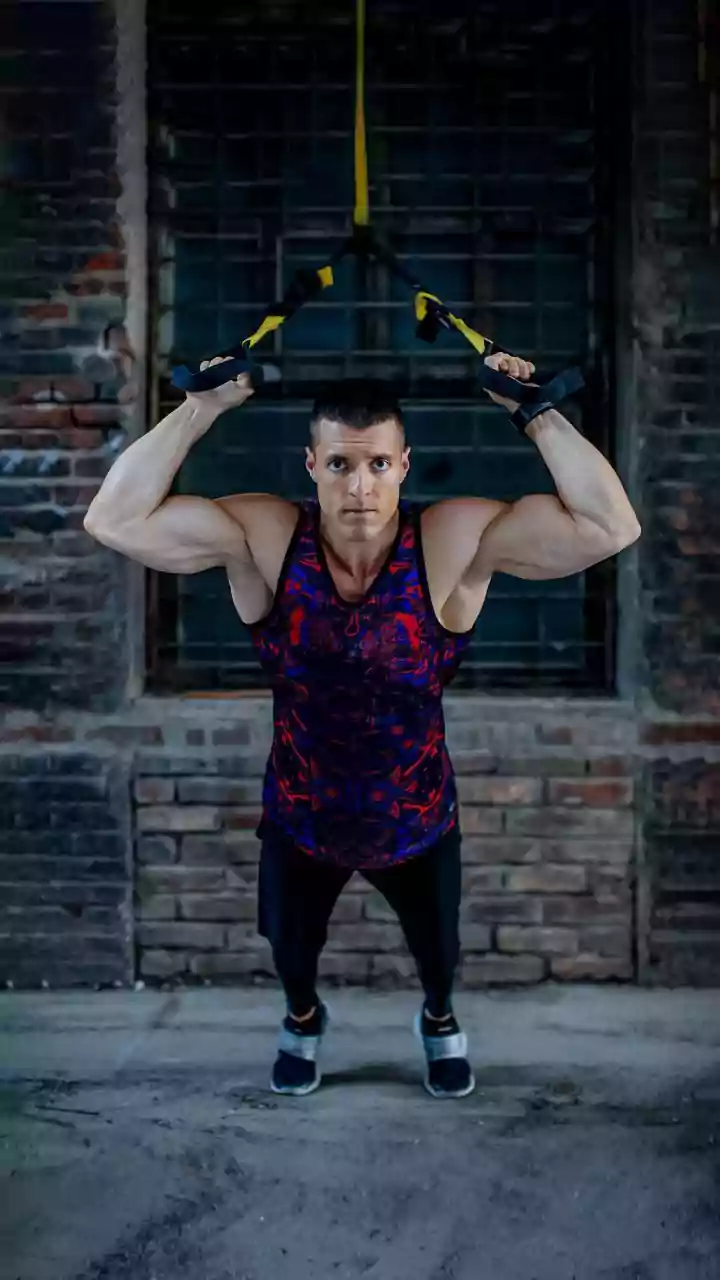
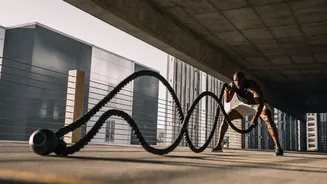
Circuit training takes a completely different approach. It involves performing a series of different exercises for short durations with minimal rest in between. This method is designed to boost cardiovascular health, burn calories, and build overall strength and muscular endurance. While a circuit might include specific ab exercises like bicycle crunches or planks, its primary effect on the deep core is more indirect and functional. During fast-paced, full-body movements like squat jumps, kettlebell swings, or push-ups, your core muscles—including the deep ones—are forced to work overtime as stabilizers to keep your trunk steady and transfer power effectively. The core is constantly engaged to maintain balance and proper form throughout the high-intensity workout.
Activation vs. Stabilization: The Key Difference
The fundamental difference lies in how each discipline recruits the deep core. Pilates is about direct activation. It teaches you to find and contract the transversus abdominis in a controlled setting, creating a strong mind-muscle connection. The movements are often slow and precise, designed specifically to strengthen this supportive muscular layer. Circuit training is more about functional stabilization. Your deep core fires automatically in response to the dynamic, multi-joint exercises you're performing. It's less about consciously 'squeezing' your TVA and more about your body reflexively engaging it to protect your spine during complex, high-speed movements. One method builds stability through deliberate control, while the other trains it through dynamic, real-world challenges.
Which Method Is Right for Your Goals?
Choosing between Pilates and circuit training depends entirely on your personal fitness objectives. If your primary goal is to improve posture, alleviate back pain, enhance body awareness, and build a rock-solid foundation of core stability, Pilates is an unparalleled choice. Its focus on precision makes it excellent for rehabilitation and injury prevention. On the other hand, if your main goals are fat loss, improved cardiovascular fitness, and building overall muscular strength and endurance in a time-efficient manner, circuit training is highly effective. It trains your core in a dynamic, athletic context that prepares it for a wide variety of physical activities. Often, the best approach isn't choosing one over the other but integrating both. Using Pilates to build deep core awareness and control can make your circuit training safer and more effective.