



The Strait in Crisis
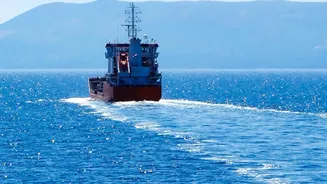
The numbers are startling. In a typical week before the conflict that began on February 28, 2026, between 130 and 150 ships would transit the Strait of Hormuz. In the first week of August 2026, that number dwindled to just 33 vessels from Monday to Thursday.
On some days, total transits have fallen into the single digits, a reduction of over 90% from the pre-crisis average. This drastic slowdown is the direct result of military escalation involving Iran, the U.S., and Israel, which has included attacks on commercial vessels, the deployment of naval mines, and prohibitive insurance costs. As of early August, maritime authorities continue to warn of severe threats, making shipowners extremely wary of entering the waterway, even with steep discounts offered on crude oil from terminals inside the Persian Gulf.
A Look Back: The Pre-War Baseline
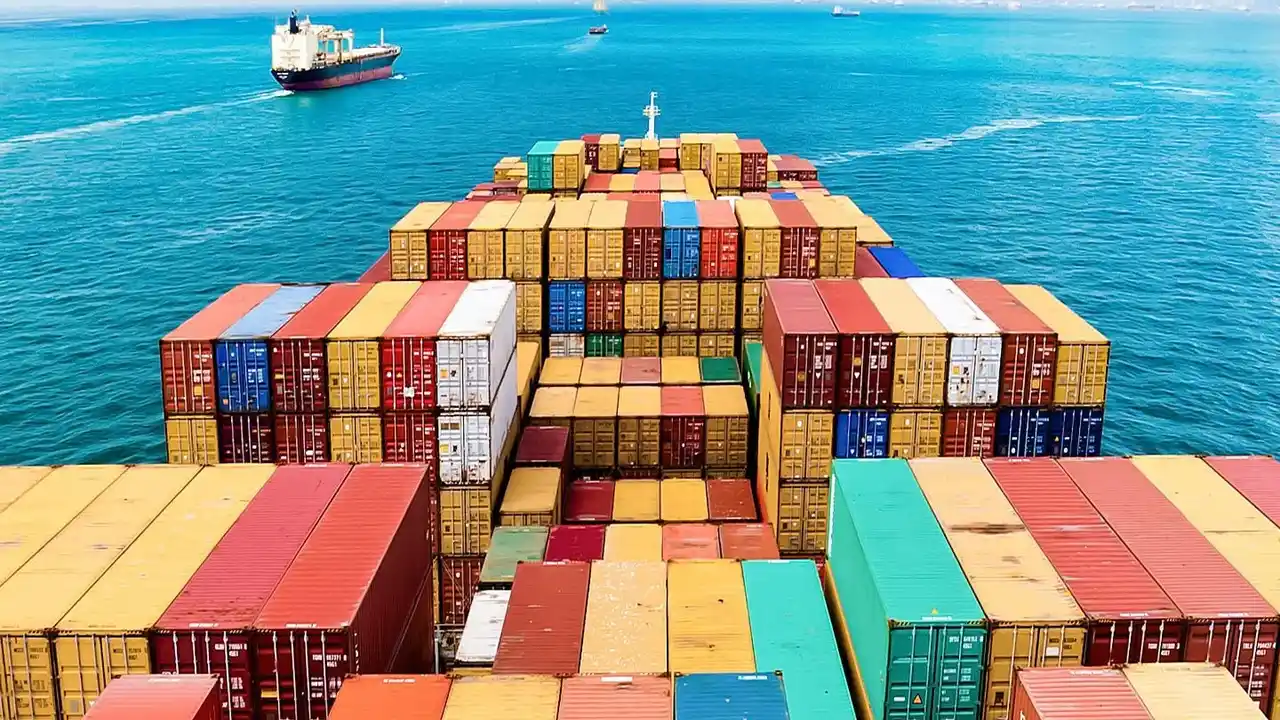
To understand the scale of this disruption, it's crucial to look at what normal looked like. Before the conflict began, the Strait of Hormuz was a bustling superhighway for global energy. In the first half of 2025, oil flows alone averaged 20.9 million barrels per day, representing about 20% of global petroleum consumption and a quarter of all maritime-traded oil. Including liquefied natural gas (LNG), of which the strait handles over 20% of global trade, the waterway was indispensable. Daily vessel counts regularly exceeded 130, and sometimes reached 150 ships, including massive Very Large Crude Carriers (VLCCs), container ships, and LNG tankers. This constant flow was the rhythm that powered economies across Asia and the world, a baseline of activity that has now all but vanished.
The Soaring Cost of Passage
For the few willing to risk the journey, the financial penalties are immense. War risk insurance premiums, a key indicator of perceived danger, have skyrocketed. Before the crisis, insuring a tanker for a single transit might cost around 0.25% of its hull value. Following the outbreak of hostilities, those rates jumped to between 3% and as high as 10% of the ship's value. For a standard $100 million tanker, that translates into a jump from approximately $250,000 per voyage to a staggering $3 million to $10 million. This massive increase in cost, if not the physical danger itself, has acted as a powerful deterrent, effectively closing the strait for most commercial operators and rerouting global trade.
Why This Matters for India
The crisis in the Strait of Hormuz is not a distant problem for India; it is a direct threat to its energy security and economic stability. India is the world's third-largest oil importer, sourcing around 85% of its crude from overseas. Before the disruption, estimates showed that between 40% and 65% of these imports, along with half of its LNG, passed through the strait. This heavy dependence makes India's economy exceptionally vulnerable to price shocks and supply shortages stemming from the chokepoint. While India has made efforts to diversify its energy sources, including increasing purchases from Russia, the dramatic reduction in traffic through Hormuz puts significant pressure on its largest import expenditure and, by extension, its entire economy.