

From Military Outpost to Commercial Gateway
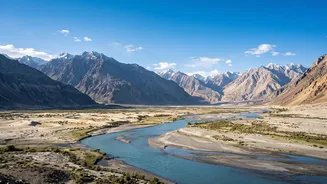
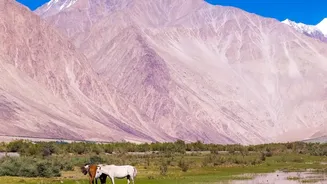
Nestled in the high-altitude desert of northern Ladakh, Thoise is not your typical airport. For years, it has served as a critical airbase for the Indian Air Force (IAF), supporting military logistics in a region of immense strategic importance, including
proximity to the Siachen Glacier. Its very name, an acronym for 'Transit Halt of Indian Soldiers Enroute', speaks to its military origins. Currently, Ladakh has only one commercial airport in Leh, making the journey to Nubra a long and arduous road trip. The new initiative aims to change that by leveraging existing infrastructure to serve a dual purpose, opening a direct aerial route for tourists and locals alike.
A Push for All-Weather Accessibility
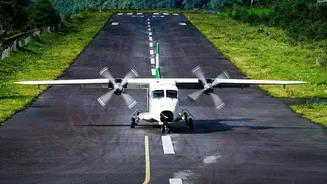
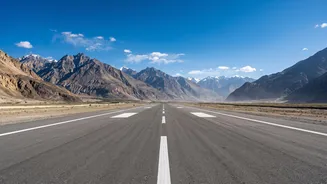
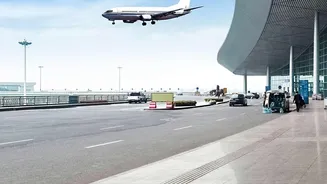
The plan to introduce commercial flights has gained significant momentum, with authorities targeting December 2026 to begin operations. A recent high-level meeting chaired by Ladakh's Lieutenant Governor, Vinai Kumar Saxena, secured key approvals, including the IAF's sanction of five acres for a new civilian terminal. In the interim, the existing chartered-flight terminal will be refurbished to handle the first wave of passenger services. Critical runway recarpeting work is already underway and is expected to be completed by November 2026, paving the way for the targeted December launch. These developments signal a coordinated effort between the Ministry of Defence, Ministry of Civil Aviation, and the UT administration to fast-track the project.
Transforming Tourism and Local Life
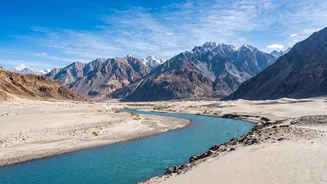
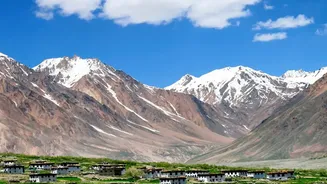
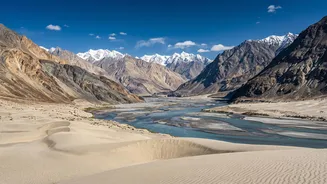
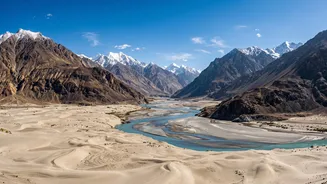
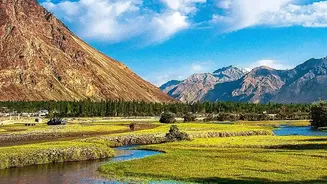
The opening of Thoise Airport is poised to be a game-changer for Ladakh's tourism economy. Currently, visitors fly into Leh and then undertake a multi-hour drive over the formidable Khardung La pass, which is often subject to weather-related closures. Direct flights to Thoise would drastically cut down travel time, making destinations like Hunder's sand dunes, the village of Turtuk, and even the Siachen Base Camp far more accessible. This enhanced connectivity is expected to provide a significant boost to local businesses, including hotels, tour operators, and restaurants, while creating new economic opportunities for the residents of Nubra Valley. For locals, it also means a reliable, all-weather travel option, which is crucial in a region where road access can be unpredictable.
Hurdles on the High-Altitude Horizon
Despite the optimism and clear progress, the path to regular commercial flights is not without challenges. The December 2026 timeline remains a target, contingent on the timely completion of all infrastructure and regulatory formalities. The Airports Authority of India (AAI) must finalise the requirements for the refurbished terminal, after which the Public Works Department will undertake the renovation. Furthermore, while the airport is available for bidding under the regional connectivity UDAN scheme, past rounds have not resulted in airlines bidding for the route. Convincing commercial airlines to operate in this challenging high-altitude environment will be crucial for the project's long-term success. No airlines have yet announced official routes or schedules.