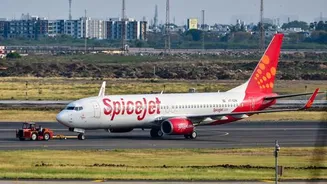









The Source of the Strain
SpiceJet is grappling with what experts call a severe cash crunch. The airline owes significant amounts of money to various partners, including aircraft lessors (the companies that own the planes), airports for usage fees, and ground-handling agencies.
This financial pressure is compounded by high aviation fuel prices and a shrinking operational fleet. In fact, the situation has become so dire that many airports have put SpiceJet on a 'cash-and-carry' basis. Unlike other airlines that can pay their dues on credit, SpiceJet must often pay upfront for services like landing and navigation before a flight can operate. If the payment isn't made, the flight doesn't get clearance to take off.
Chaos on the Ground
For passengers, this corporate financial struggle translates into travel nightmares. The airline has been cancelling a significant portion of its scheduled flights, often with little to no notice. In September, its on-time performance was a dismal 16.6%, and its cancellation rate soared to over 20%, far above the industry average. Airports in Delhi and Mumbai have issued advisories, warning travellers that SpiceJet flights may be impacted and urging them to confirm their flight status directly with the airline. Passengers have reported being stranded for hours, only to have their flights eventually cancelled, leading to scenes of frustration and anger at terminals. The problem is so widespread that the government's AirSewa portal received over 7,600 passenger complaints against the airline as of mid-November.
A Shrinking Fleet and Regulatory Scrutiny
A key reason for the disruptions is the state of SpiceJet's fleet. The majority of the airline's aircraft are currently grounded, and it has been operating only a fraction of its approved schedule. For the winter schedule, it was approved for around 66 daily flights but has been operating as few as 10 to 15. This has attracted the attention of India's aviation regulator, the Directorate General of Civil Aviation (DGCA). On November 17, the DGCA issued a stern show-cause notice to SpiceJet, giving it seven days to explain the numerous operational failures. The notice highlighted the grounded fleet, failure to adhere to schedules, and inadequate care for inconvenienced passengers.
A Plan for Survival?
In response to the escalating crisis, SpiceJet's board has approved a plan to raise up to ₹5,500 crore to strengthen its financial position. The airline hopes this infusion of capital will provide the necessary funds to clear dues, get grounded planes back in the air, and stabilise operations. However, some executives have reportedly warned that without an immediate infusion of funds, the airline could face a shutdown. The DGCA has not yet barred the airline from taking new bookings, but it has demanded a credible plan for returning its fleet to service. The situation is being closely watched by the Civil Aviation Ministry, which has been conducting its own scrutiny.