


A Shift From The Locker To The Boardroom
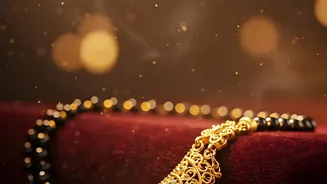
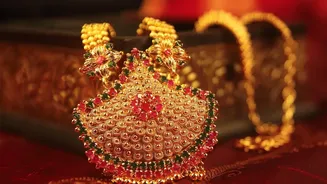
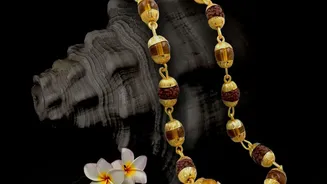
For generations, the mangalsutra was often a heavy, ornate piece of jewellery, carefully stored in a locker and brought out only for festivals and special occasions. While beautiful, these traditional designs were often impractical for daily life. Today,
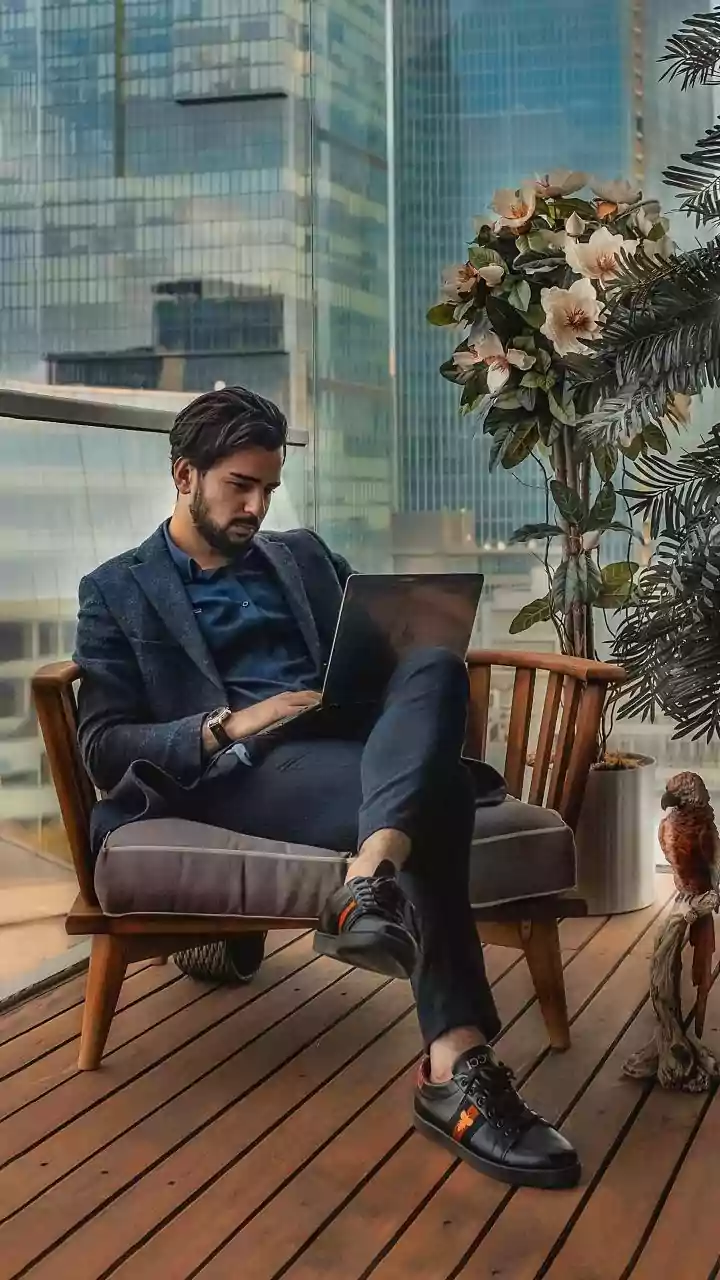
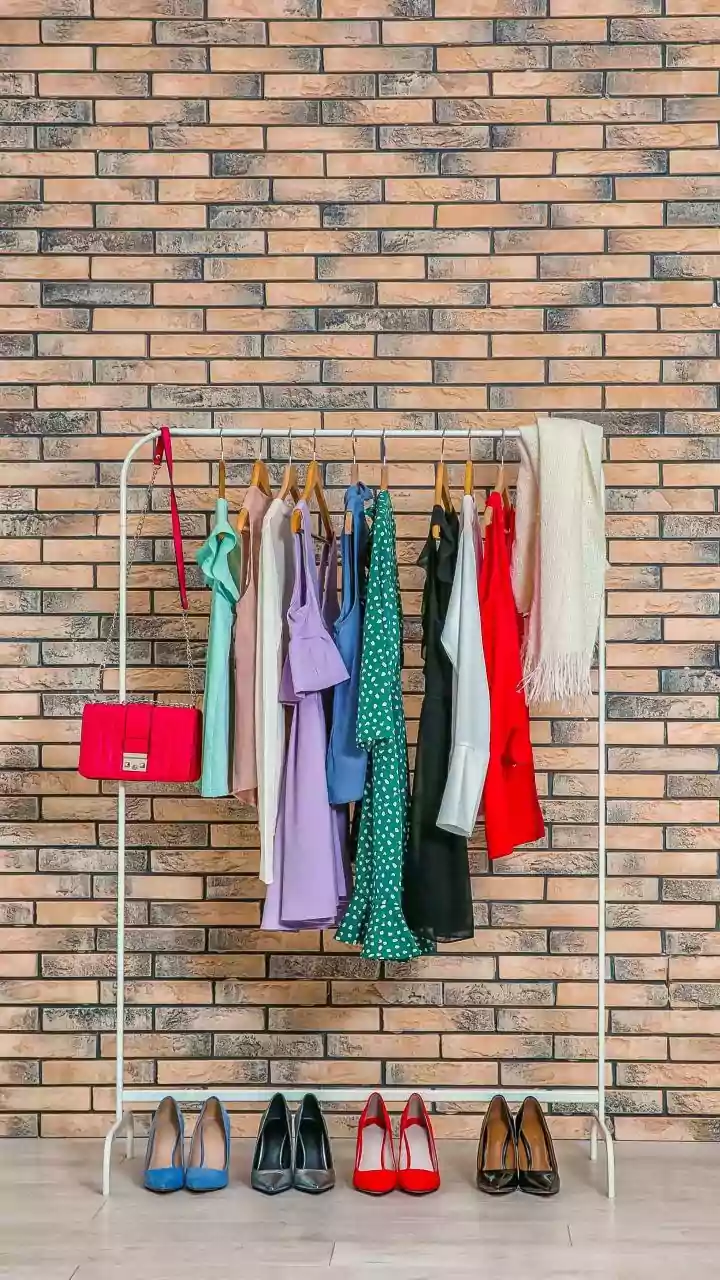
a new narrative is unfolding. The modern Indian woman, juggling a career, social life, and family, needs her jewellery to be as dynamic as she is. This has led to a significant shift in preference towards mangalsutras that are lightweight, durable, and versatile enough to be worn from a morning meeting to an evening out. Jewellers and designers have responded to this demand, creating pieces that feel comfortable for long hours and complement both Indian and Western workwear, such as blazers, shirts, and dresses. The goal is no longer to own a piece that is rarely worn, but to have a meaningful symbol that is a constant, elegant presence.
What Defines a Work-Friendly Mangalsutra?
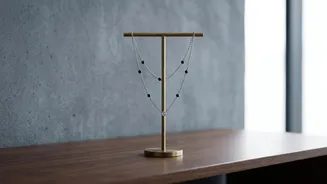
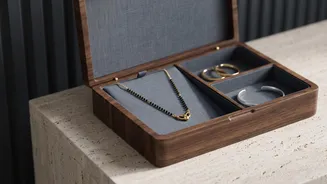
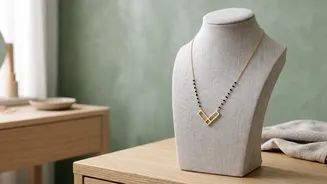
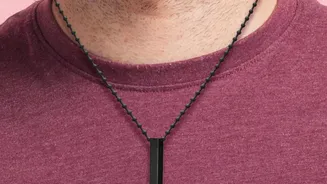
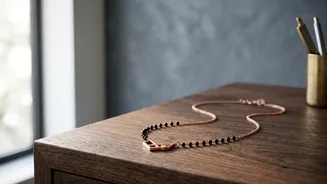
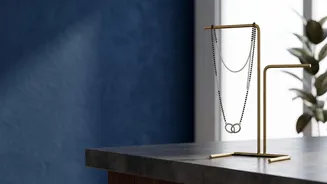
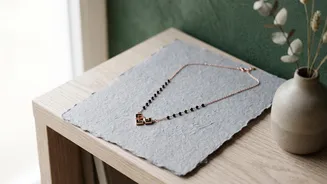
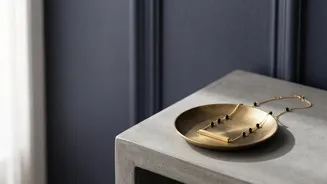
The modern mangalsutra prioritises practicality without sacrificing its core symbolism. The most noticeable change is the length; contemporary designs are typically shorter, sitting at the collarbone (16-18 inches) rather than the mid-chest. This prevents them from snagging on desks or equipment and allows them to pair neatly with various necklines. Chains are finer, often featuring fewer black beads interspersed with gold or silver links to reduce weight. Pendants have also evolved dramatically. In place of elaborate traditional motifs, you'll find minimalist and geometric designs: sleek bars, single solitaire diamonds, clean circles, and infinity loops. These styles are subtle, sophisticated, and align with corporate aesthetics, adding a touch of polish without being distracting. The focus is on understated elegance that feels personal and professional.
The Rise of The Bracelet Mangalsutra
Perhaps the most innovative evolution is the mangalsutra bracelet. This design reinterprets the sacred thread for the wrist, incorporating the traditional black beads and a small charm or pendant. For many working women, especially those in professions where a necklace might be impractical or against dress code, the bracelet offers a perfect solution. It is discreet, stylish, and can be worn alongside a watch. This adaptation is a powerful example of how tradition is not being discarded, but thoughtfully reimagined to fit the realities of a modern lifestyle. It allows women to keep this symbol of their commitment with them in a form that is both comfortable and contemporary.
More Than a Trend, A Change in Mindset
The move towards everyday mangalsutras is more than just a fashion trend; it reflects a change in how women view this piece of jewellery. For many, it's about personal choice and reclaiming a symbol on their own terms. While older designs often represented a woman's marital status in a very public way, the modern mangalsutra is increasingly seen as a private, personal reminder of a partnership. By choosing a design that fits her lifestyle, a woman is integrating a symbol of her personal life into her public, professional identity. It’s a statement of balance, reflecting a partnership of equals where tradition and modernity can coexist beautifully. Designers note that brides are now deeply involved in the selection process, choosing styles that resonate with their individual identity, not just convention.