



The Simple Technique: Neatness and Order
The single most impactful technique identified in multiple studies is the deliberate and neat arrangement of food. Research from institutions like Cornell University and studies published in journals such as 'Appetite' have repeatedly found that when
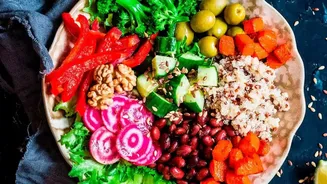
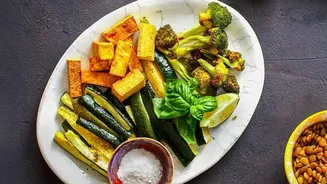
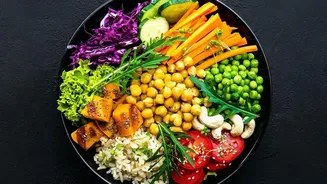
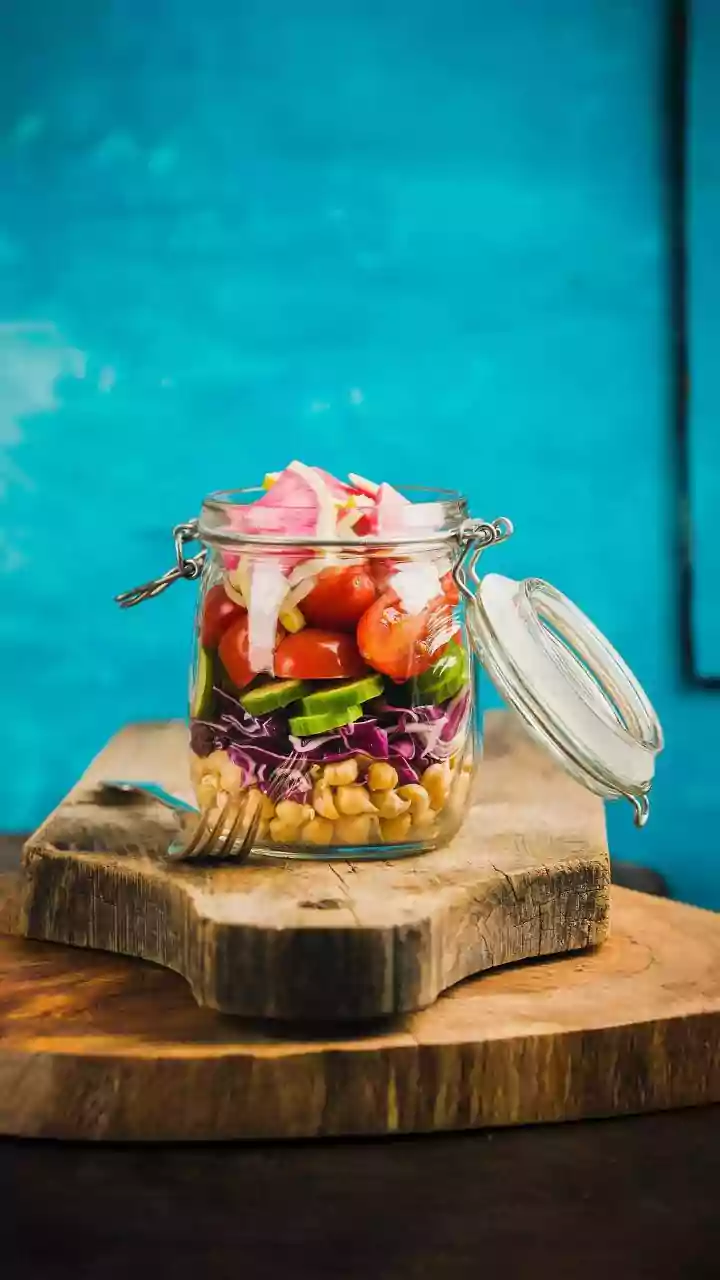
the exact same meal is presented in an orderly, structured way, people perceive it as healthier, more appealing, and even worth more money than when it's presented messily. This involves creating a sense of balance and intentionality on the plate. Instead of a haphazard pile, components are arranged with visible separation and care. Think of a salad with its ingredients neatly arranged versus the same ingredients tossed together in a chaotic heap. The former consistently wins on perceived healthiness.
The Science of Perception
A key study on this phenomenon investigated how plating affects our judgment. In the experiment, participants were shown images of the same food, such as a chicken breast with rice and green beans, arranged in two different ways: one neat and attractive, the other messy. Overwhelmingly, the neatly arranged version was rated as more liked, and participants believed it came from a higher-quality restaurant. A 2020 study published in the 'Journal of Marketing' took this further, finding that foods presented with 'classical aesthetics'—principles like symmetry, order, and balance—were judged as healthier because these traits made the food appear more natural. This is a powerful cognitive shortcut; our brains associate order and symmetry, which are abundant in nature, with things that are good for us.
Why Our Brains Are Fooled
This perception is tied to what psychologists call the 'halo effect'. When we see one positive quality—in this case, a neat and careful presentation—we unconsciously extend that positivity to other attributes, such as healthiness and flavour. Researchers Debra Zellner and her colleagues found that neat presentations suggest the food was prepared with greater care. This implied care makes us believe the food is not only safer and of higher quality, but also better for us. In one recent experiment, even the placement of sauce made a difference. A dish with sauce artfully placed in dabs to the side was perceived as healthier than the same dish with the sauce drizzled all over it, likely because the former looked less chaotic and more intentional.
What The Studies Found
The results across various studies are remarkably consistent. In one, participants judged identical cookies and yogurt to have significantly fewer calories when they were labeled 'organic' and presented neatly. In another, they were willing to pay up to 23% more for the well-presented, 'organic' labeled items. The study on classical aesthetics found that prettiness didn't just boost perceived healthiness; it also increased participants' willingness to pay more for an item, even something as simple as a bell pepper. The effect is so strong that it can mislead people even when they have financial incentives to be accurate about calorie counts. This shows that our visual assessment often overrides our rational analysis of what we are about to eat.
Putting It Into Practice
You do not need to be a professional chef to use this psychological trick at home. The key is to be intentional with your plating. Instead of scooping food onto a plate, take a moment to arrange it. Create some negative space; a crowded plate often looks messy and heavy. Try to place your main protein, carbohydrate, and vegetables in distinct zones. Think about balance and symmetry—even something as simple as centering the main element can make the entire meal feel more deliberate and thus healthier. Using a plate that provides colour contrast with the food can also make the components pop, enhancing their visual appeal. It is a simple, no-cost way to elevate your dining experience and feel better about the food you eat.