
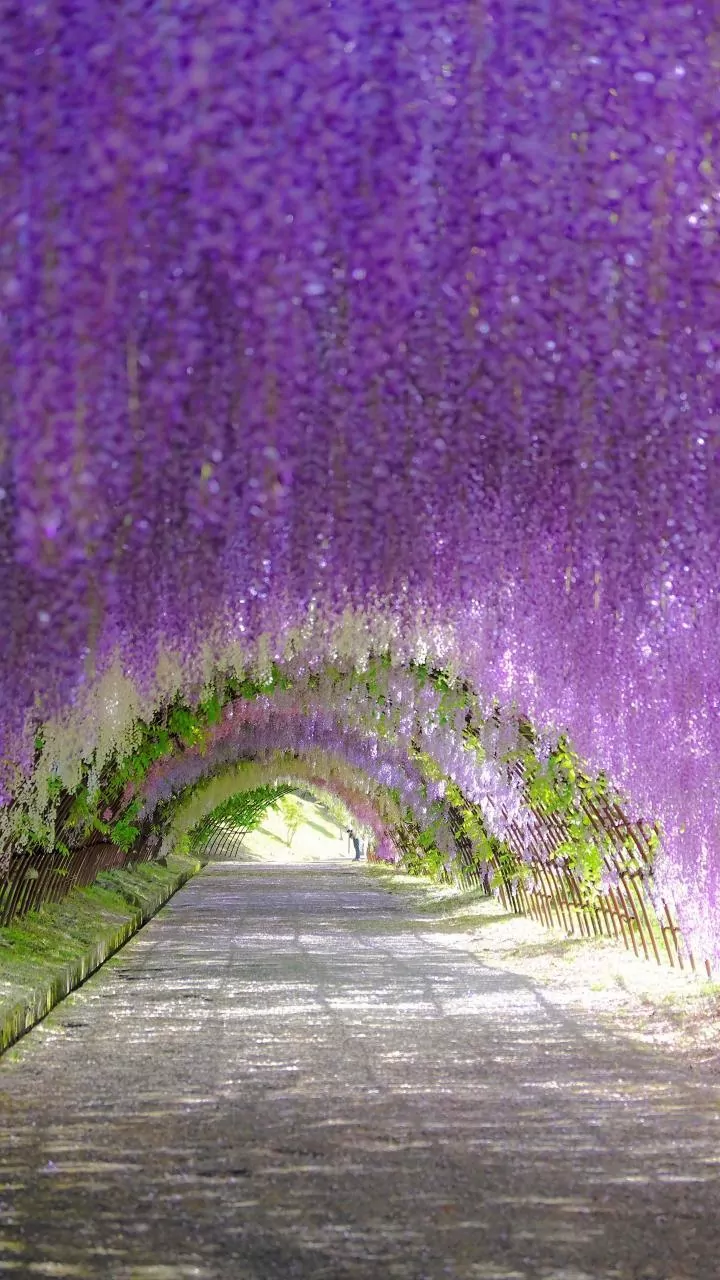


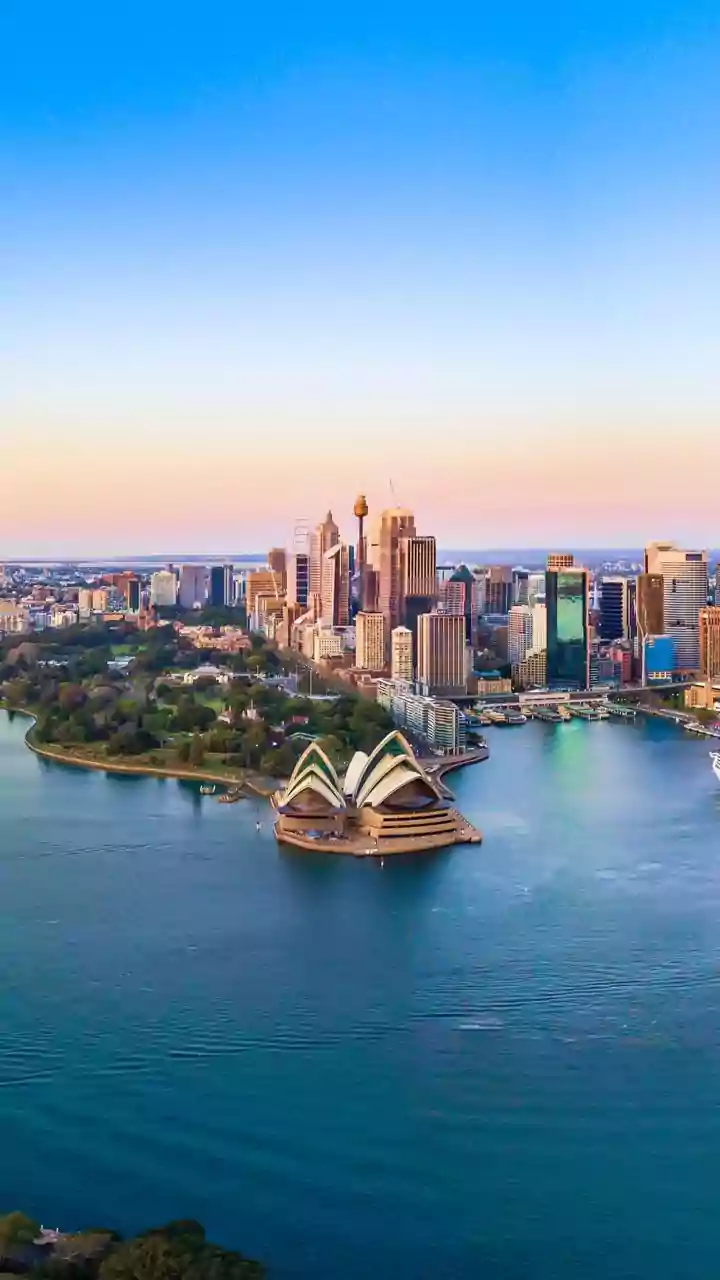


An Annual Purple Spectacle
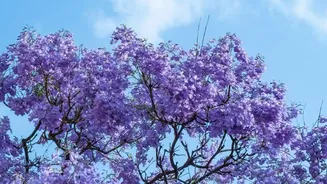
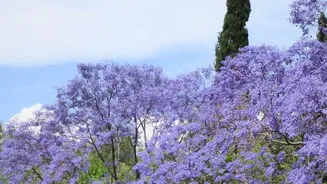
For a few magical weeks, the jacaranda season becomes a city-wide event, signalling that summer is just around the corner. The phenomenon is so beloved it has its own unofficial name: 'jacaranda season'. Residents and visitors alike flock to the most
vibrant spots, armed with cameras to capture the dream-like canopies and the carpets of fallen petals that follow. The timing can vary slightly each year based on weather patterns—a warmer, drier winter might bring the blooms forward, while a cool, wet spring can delay them—but the peak generally falls between late October and mid-November.
A South American Tree with Sydney Roots
While the jacaranda is now a firm icon of the Australian spring, it is not a native species. The Jacaranda mimosifolia is indigenous to South America, primarily Brazil and Argentina. The trees were first introduced to Australia in the 19th century. One of the earliest documented plantings was in the Brisbane Botanic Gardens in 1864, but Sydney's Royal Botanic Garden is home to what is believed to be Australia's oldest living jacaranda, dating back to the 1850s. Over time, their popularity grew, and they were planted widely across Sydney, thriving in the local climate and becoming a cherished part of the city's identity. A charming but unsubstantiated myth even tells of a hospital matron who gifted jacaranda seedlings to new mothers, spreading the purple haze across the suburbs.
Kirribilli’s Famous Violet Tunnel
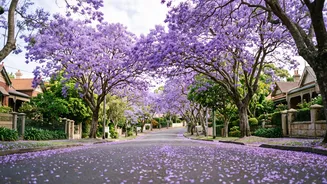
Arguably the most famous and photographed jacaranda spot in Sydney is McDougall Street in the lower North Shore suburb of Kirribilli. Here, a row of mature trees forms a magnificent arching canopy over the road, creating a 'purple tunnel' that draws huge crowds. The spectacle has become a social media sensation, and on weekends during peak bloom, the area can become so busy that road closures are sometimes implemented to ensure pedestrian safety. For the best experience and photos without the crowds, it's recommended to visit early in the morning or on a weekday. From Kirribilli, a short walk takes you to another prime viewing area, Lavender Bay, where jacarandas frame stunning views of the Harbour Bridge.
Where Else to Find the Blooms
Beyond the North Shore, the jacaranda's purple reign extends across the city. The grounds of the University of Sydney are a classic spot, where the historic sandstone buildings provide a beautiful contrast to the flowers. Student folklore famously links the blooms to exam stress, warning that if you haven't started studying by the time the flowers appear, you're in trouble. In the Eastern Suburbs, the streets of Paddington, particularly along Oxford Street near Victoria Barracks, offer a spectacular display. Other notable locations include Circular Quay and The Rocks, where the trees add a splash of colour to iconic harbour views, as well as the suburbs of Glebe, Hunters Hill, and even Parramatta.
Tips for Your Jacaranda Experience
To make the most of the season, a little planning goes a long way. Public transport is highly recommended for popular spots like Kirribilli, where parking is notoriously difficult. A ferry ride from Circular Quay to Kirribilli or Milsons Point is a scenic way to arrive. Remember that spring weather in Sydney can be variable, and strong sun is common even on cooler days, so sunscreen is a must. Finally, be mindful that the most famous jacaranda streets are residential areas; while soaking in the beauty, it's important to be respectful of residents and not block traffic. The bloom is a fleeting spectacle, a temporary work of art that reminds Sydney of spring’s vibrant promise.