


What Exactly Is a Peppermint Compress?
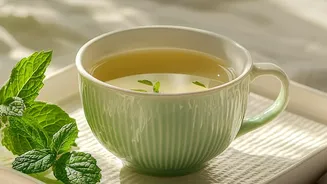
At its core, a peppermint compress is a clean cloth that has been soaked in brewed peppermint tea. This tea-soaked cloth is then applied to the skin, delivering the herb's properties directly to a targeted area. It’s a form of topical herbal application
that has been used for centuries across various cultures. Compresses can be applied warm or cool, depending on the desired effect. For issues like tension headaches or cooling flushed skin, a cold compress is typically preferred. For relaxing tight muscles, some may opt for a warm application. It is important to distinguish this from an essential oil compress, which involves adding a few drops of highly concentrated peppermint essential oil to water before soaking the cloth. While both use the peppermint plant, a tea compress is generally milder, as it uses the whole herb infused in water rather than the potent, distilled oil.
The Soothing Sensation of Menthol
The primary reason peppermint feels so refreshing and soothing is due to its main active component: menthol. When applied to the skin, menthol triggers specific cold-sensing receptors (known as TRPM8 receptors) in our sensory neurons. This creates a distinct cooling sensation without actually lowering the skin's temperature. Think of it as a clever trick; your brain receives the same signal it would if it were touching something cold, like ice. This sensation can act as a counter-irritant, meaning it produces a separate feeling that distracts from underlying discomforts like minor aches or itchiness. Studies have also shown that topical menthol can stimulate blood flow to the skin, which may contribute to its pain-relieving effects, particularly for tension headaches. This combination of cooling and increased circulation is why peppermint is a go-to ingredient in many over-the-counter topical balms for muscle soreness.
Traditional Uses and Modern Applications
Traditionally, peppermint has been used for a wide range of ailments, from digestive issues to the common cold. As a topical compress, its applications are focused and direct. One of its most popular uses is for headache relief. Applying a cool peppermint compress across the forehead, temples, or the back of the neck is a time-honored method for easing the constricting pain of a tension headache. The cooling sensation is believed to help relax tense muscles and soothe the throbbing feeling. Beyond headaches, a cold peppermint compress is excellent for simply cooling down. On a hot day or when feeling feverish, placing it on the forehead or wrists can provide immediate, refreshing comfort. Its anti-inflammatory properties may also help soothe minor skin irritations and itchiness. For sinus congestion, inhaling the steam from a hot peppermint infusion can help open airways, and a warm compress placed over the sinuses might offer additional comfort.
How to Make Your Own Peppermint Compress
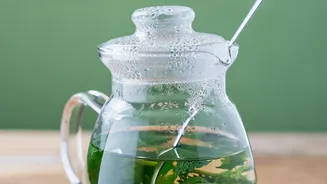
Creating a peppermint tea compress at home is incredibly simple and requires just a few basic items. You will need peppermint tea (either loose-leaf or tea bags), hot water, a bowl, and a clean, soft cloth like a washcloth or a piece of muslin. First, brew a strong peppermint tea. Use about two tea bags or two tablespoons of dried peppermint leaves for every one cup of boiling water. Cover the bowl or mug and let the tea steep for 15-20 minutes to ensure a concentrated infusion that captures the plant's valuable properties. Next, strain the leaves from the tea if you used a loose-leaf variety. For a cold compress, allow the tea to cool completely in the refrigerator. For a warm compress, let it cool just enough so that it is comfortable to the touch. Once the tea is at the desired temperature, submerge your cloth in the infusion until it is fully saturated. Gently wring out the excess liquid so the cloth is damp but not dripping. Apply the compress to the affected area—such as your forehead, the back of your neck, or sore muscles—and relax for 10 to 15 minutes. You can re-soak and reapply the compress as needed.
Safety and Precautions to Keep in Mind
While a peppermint tea compress is a gentle remedy, a few precautions are necessary. Peppermint, and especially its concentrated oil, can cause skin irritation or allergic reactions in some individuals. Even when using a milder tea infusion, it's wise to perform a patch test on a small area of skin first, especially if you have sensitive skin. Never apply a compress to broken, damaged, or irritated skin. Though rare with a tea compress, side effects like redness or a rash are possible. If you experience any adverse reaction, discontinue use immediately. It's also critical to avoid applying peppermint in any form to the face of infants or young children, as the strong menthol aroma can potentially affect their breathing. This home remedy is intended for minor, temporary discomforts. For severe, persistent, or worsening pain, it's essential to consult with a healthcare professional.