





A Market on the Move
India's electric car sales jumped by an impressive 76.47% in October 2026 compared to the same month last year, with a total of 37,049 units finding new homes. This significant growth highlights a clear shift in consumer preference, even as the broader
passenger vehicle market saw a decline. For the fifth month in a row, EV sales crossed the 30,000-unit mark, proving this is more than just a festive-season bump; it's a structural transformation in the Indian automotive landscape. Electric vehicles now account for 7.3% of all passenger cars sold, more than double their share from a year ago. This momentum signals that EVs are moving from a niche interest to a mainstream consideration for many Indian families.
The New Pecking Order
While Tata Motors continued its reign at the top, selling 14,669 electric vehicles, the bigger news was the change just below it. Mahindra & Mahindra decisively captured the number two position, with retail sales of 8,538 units. This represents a stunning 85.7% year-on-year growth for the company and a nearly 10% increase from its September sales. The new hierarchy saw MG Motor India settle into the third spot with 5,939 units, itself posting healthy growth. Further down the list, brands like VinFast, Kia, and Maruti Suzuki filled out the top ranks, showcasing an increasingly competitive field. However, the combined force of Tata and Mahindra alone accounted for nearly two-thirds of the entire EV market in October.
Mahindra's Winning Strategy
So, how did Mahindra pull ahead? The answer lies in its focused SUV strategy and the strong performance of specific models. The company's rugged electric SUVs have found a sweet spot with buyers, particularly in the lead-up to the Diwali season, where feature-rich family vehicles are in high demand. The charge was led by the XEV 9S, which emerged as the brand's bestseller, contributing over half of its total EV volumes for the month. This model alone registered 4,756 units, showing significant consumer appetite. While the older XUV400 has seen its sales taper off, newer models like the XUV 3XO EV and the BE 6 are showing promise, helping to create a more balanced and appealing portfolio for the automaker. This performance is a direct result of aggressive positioning and converting showroom interest into firm sales.
How the Competition Fared
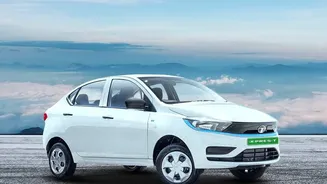
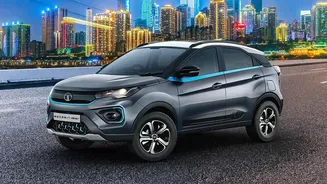
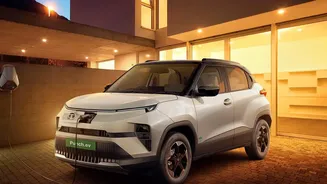
Tata Motors remains the undisputed market leader, with a diverse portfolio that includes the popular Punch EV, Nexon EV, and Tiago EV. The Punch EV, in particular, made history by becoming the first standalone electric car to cross 5,000 wholesale dispatches in a month. Despite its dominance, Tata saw a slight month-on-month dip in registrations, which created the opening for rivals to narrow the gap. While Tata's lead is still substantial, Mahindra's October surge reduced the sales gap between the two giants from around 7,470 units in September to about 6,100 in October. Meanwhile, third-place MG Motor also grew its sales, driven by tech-focused models like the Windsor EV and ZS EV that appeal to urban buyers.
More Than Just New Models
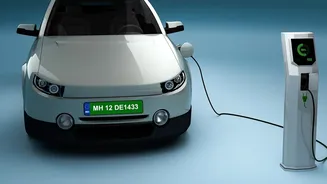
The overall sales surge wasn't just about individual company strategies. A combination of factors created the perfect environment for EV growth. The festive season, culminating in Diwali, is traditionally a strong period for vehicle purchases, and this year, EVs were clearly on many shopping lists. Favourable government policies, like the lower 5% GST on electric vehicles compared to conventional cars, also make the economics more attractive. Furthermore, growing confidence in the expanding charging infrastructure along major highways and improvements in the real-world range of new models are helping to overcome traditional buyer hesitancy. This combination of better products, stronger incentives, and growing practicality is what's truly powering India's EV revolution.