





The Open Skies Philosophy
The driving force behind this massive data-sharing effort is a simple but powerful principle: full, open, and free access. Pioneered by agencies like NASA and the European Space Agency (ESA), this philosophy treats Earth-observation data as a public good.
The idea is that data collected at the public's expense should be available to maximize its benefit for all of humanity. This approach has become the international norm, promoted by bodies like the intergovernmental Group on Earth Observations (GEO). It ensures that scientists, researchers, and even commercial entities worldwide can access a treasure trove of information about our changing planet without restrictive licensing or prohibitive costs. This policy stands in contrast to the strategic or military use of satellite data, focusing instead on shared societal benefits like environmental monitoring and disaster response.
Orchestrating the Global Data Flow
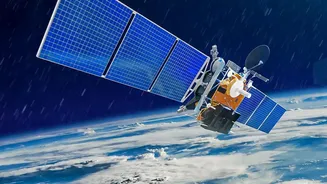
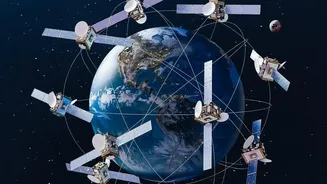
Coordinating dozens of space agencies and hundreds of satellite missions is a complex task. The primary forum for this coordination is the Committee on Earth Observation Satellites (CEOS), established in 1984. CEOS brings together the world’s major space agencies—including NASA, ESA, JAXA (Japan), and ISRO (India)—to harmonize their efforts. The goal is to ensure that satellite missions are complementary, not redundant, and that the data they produce can be easily combined. CEOS works on standardizing data formats, calibrating instruments across different satellites, and ensuring data quality. This technical groundwork is crucial; it allows a scientist in one country to seamlessly use data from another country's satellite. CEOS acts as the technical and strategic backbone, ensuring the 'system of systems' functions smoothly.
From Satellites to Scientists
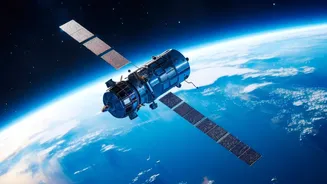
So, how does a scientist actually get this data? The information flows through massive, distributed data archives. NASA's Earth Observing System Data and Information System (EOSDIS) is one of the largest, managing petabytes of data from a vast network of satellites, aircraft, and field measurements. This system is composed of several Distributed Active Archive Centers (DAACs), each specializing in a different discipline like the cryosphere, ocean surface, or land processes. Europe's Copernicus programme, a joint initiative of the EU and ESA, has a similar open-access policy and delivers its data through cloud-based platforms. These platforms, like the GEOSS Portal, act as a single point of entry, allowing users to search for and download data from numerous international sources without needing to navigate each agency's separate system.
Data in Action: Saving Lives and Livelihoods
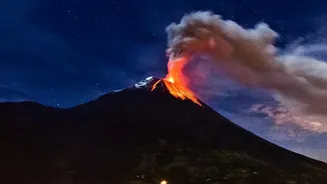
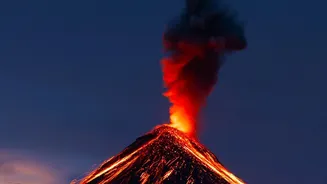
The real-world impact of this shared data is profound. It is indispensable for monitoring climate change, from tracking melting ice sheets to measuring atmospheric carbon. For disaster management, near real-time satellite imagery helps authorities track the spread of wildfires, assess flood damage, and coordinate emergency response. In agriculture, data on soil moisture and vegetation health helps farmers optimize water use and predict crop yields, enhancing food security. Scientists even use this data for everything from tracking plastic pollution in the oceans to monitoring volcanic activity and managing water resources. These applications, which often combine data from multiple agencies and satellites, would be impossible without the underlying agreements on data sharing.
The Future of Planetary Data
The world of Earth observation is constantly evolving. The volume of data is exploding, with some systems ingesting hundreds of terabytes daily. To cope, agencies are increasingly turning to cloud computing platforms to bring processing power directly to the data, eliminating the need for users to download massive files. Another shift is the growing integration of data from commercial satellite companies. Agencies like NASA and ESA have established frameworks to evaluate and incorporate data from private firms, complementing their publicly funded missions. Furthermore, international cooperation continues to deepen, with reciprocal data-sharing agreements being signed with more countries, ensuring this global resource becomes even richer and more comprehensive.