




The Art of Intentional Collecting
The first step to beautifully displaying your travel mementos happens before you even arrange them on a shelf: it begins with a mindset shift. Instead of grabbing every possible keepsake, the goal is to become a curator of your own experiences. This means
moving from quantity to quality. A home filled with meaningful, well-loved objects tells a far more compelling story than one crowded with impulse buys. When travelling, resist the urge to buy something just for the sake of it. Instead, seek out items that genuinely resonate with you or represent a specific, cherished memory. Think about functional souvenirs: a hand-painted bowl you can actually use, a beautiful textile to hang as art, or locally made spices that bring the taste of your travels into your kitchen. Before you bring something home, ask yourself where it might live and if it complements the story you're already telling. This thoughtful approach ensures that every object you choose to display is one that truly sparks joy and holds significant personal value.
From Clutter to Curation: The Audit
Once you've refined your collecting philosophy, it's time to assess what you already have. Many of us have that forgotten box or drawer filled with souvenirs from trips past. The task is to sort through these items with an honest, curatorial eye. Lay everything out and evaluate each piece. Does it still hold a strong memory? Does its aesthetic appeal to you now? It’s okay for your tastes to evolve. That ticket stub or kitschy magnet might not be as important to you as it once was. The goal is not to discard memories, but to elevate the ones that matter most. Create categories as you sort: items to display, sentimental things to store safely (like in a memory box), and items you’re ready to let go of. This process helps you rediscover forgotten treasures and makes space for a more intentional display that feels personal and uncluttered, not chaotic.
The Power of Grouping: Telling a Story
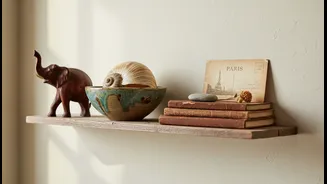
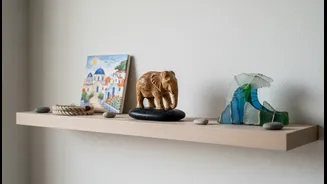
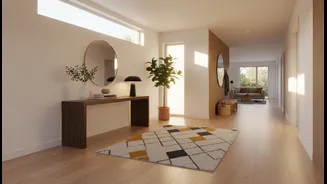
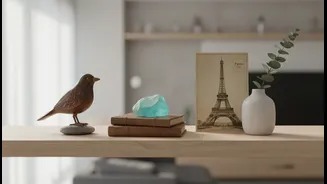
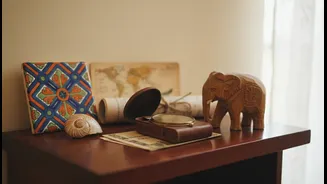
The secret to making a collection of disparate objects look cohesive lies in the art of grouping. Instead of scattering items throughout your home, create small, purposeful arrangements called vignettes. A vignette is a small story told through objects. You can group items by a common theme, such as a specific trip, a colour palette, or a material like wood or ceramic. For instance, on a console table, you could arrange a small sculpture, a framed postcard, and a stone collected from a beach in Greece. This tells a much richer story than placing each item in a different corner of the room. Another effective strategy is to use a tray or a stack of books to corral smaller items, which turns them into a single visual unit. This simple technique makes the arrangement look deliberate and prevents smaller treasures from feeling like clutter.
Designing with Numbers and Shapes
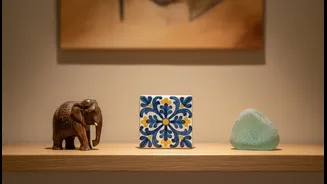
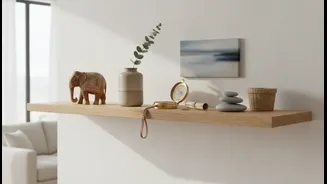
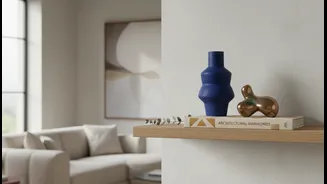
A core principle in interior design that works wonders for displaying collections is the "rule of odds." Objects arranged in odd numbers—typically three, five, or seven—are more visually appealing and dynamic than even-numbered groupings. An odd number creates a natural focal point and allows the eye to move around the arrangement, creating a sense of balance and harmony without stiff symmetry. When building your vignette, also pay close attention to height and scale. Create visual interest by mixing tall, medium, and short objects to form an irregular triangle shape. A tall ceramic vase, a medium-sized framed photo, and a small, low bowl create a balanced composition. This variation in height prevents the display from looking flat and guides the eye through the story you're telling.
Practical Display Solutions
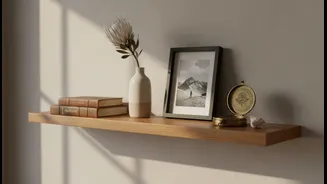
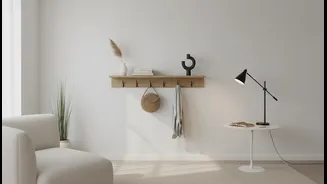
There are numerous creative ways to showcase your curated collections. Floating shelves are perfect for creating vignettes, allowing each object space to breathe. Shadow boxes are excellent for protecting and displaying smaller, flatter items like tickets, maps, and pins in an organized way. Don't overlook wall space; a framed textile can become a major piece of art, while a gallery wall can mix travel photos with framed postcards and maps. Even functional items can be part of the display. A collection of beautiful magnets can live on a dedicated magnetic board instead of a cluttered fridge. The key is to dedicate specific zones for your travel stories, whether it's a single shelf, a mantelpiece, or a corner of a room. This allows your memories to become integrated, beautiful parts of your daily life.