






Identifying African Jasmine
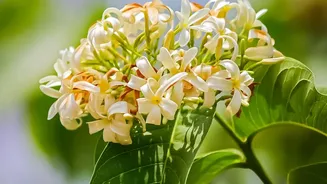
The term 'African Jasmine' can be a beautiful catch-all, referring to several species of the Jasminum genus native to or widely cultivated across the continent. These include varieties like the starry wild jasmine (Jasminum multipartitum) and South African jasmine (Jasminum angulare).
While a plant botanist might draw fine distinctions, what unites them in cultural practice is their iconic star-shaped white flowers and, most importantly, their powerful, sweet scent, which is often most potent at night. This nocturnal fragrance has earned jasmine the nickname 'Queen of the Night' in some traditions, hinting at its mysterious and romantic allure.
A Scent for Self and Adornment
One of the most personal uses of jasmine is as a natural perfume. For centuries, people have harnessed its fragrance for personal adornment. Freshly picked flowers are often woven into hair, tucked behind an ear, or strung into bracelets and necklaces, releasing their scent throughout the day. This practice is not merely about smelling pleasant; it's a statement of beauty and grace. In some cultures, jasmine is also considered a love charm. Beyond wearing the fresh flowers, the blossoms are infused into oils and lotions. These fragrant concoctions are then applied to the skin, moisturizing it while leaving a subtle, lingering perfume that is both personal and alluring.
The Fragrance of Home
Jasmine's aromatic influence extends from the individual to the home. In Kenya, for instance, jasmine is used to scent houses, creating a welcoming and calming atmosphere for family and guests. The flowers can be placed in bowls of water, where they gently perfume the air as they float. Another common practice is creating potpourri by mixing dried jasmine flowers with other aromatic herbs and spices. Sprigs of jasmine are also popular in flower arrangements, as the buds will continue to open after being picked, filling a room with their signature fragrance for days. These traditions transform a living space into a sanctuary, a place of comfort and peace defined by nature’s perfume.
Jasmine in Ritual and Spirit
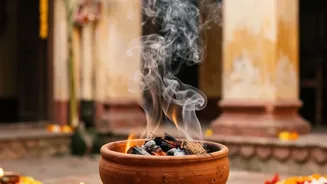
The significance of jasmine often transcends the purely cosmetic and enters the realm of the sacred. Across various African traditions, scent is a bridge to the spiritual world, and jasmine's pure, potent fragrance makes it a favoured offering. Its white petals are seen as a symbol of purity, love, and respect. In some traditional beliefs, like Yoruba, jasmine is associated with deities such as Oshun, the goddess of love and beauty, and Obatala, who represents purity and wisdom. The flowers may be used on altars or in ceremonial baths to cleanse, bless, and seek favour from the divine. Its aroma is believed to calm the mind, reduce anxiety, and foster an environment suitable for meditation and spiritual awakening.
From Ancient Hands to Modern Perfumery
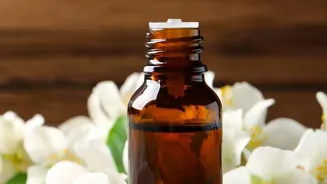
The traditional uses of jasmine in Africa are a testament to a deep-seated appreciation for the botanical world. These age-old practices have also laid the groundwork for modern industries. Egypt, for example, is a major producer of the jasmine absolute used in the global perfume industry, a highly concentrated oil that forms the heart of many iconic fragrances. The knowledge of jasmine's calming and mood-lifting properties, long held in traditional medicine, is now a cornerstone of modern aromatherapy, where the essential oil is used to alleviate stress and promote emotional well-being. This journey from a flower hand-picked for a ritual to a key ingredient in a luxury perfume shows the enduring and universal appeal of jasmine's magnificent scent.