





A Tiny Seed with Big Benefits
Flaxseed has earned its place in health-conscious kitchens for good reason. It is one of the best plant-based sources of alpha-linolenic acid (ALA), a type of omega-3 fatty acid essential for heart and brain health. It's also loaded with dietary fibre,
which aids digestion, helps you feel full longer, and can assist in controlling cholesterol levels. Furthermore, flaxseeds are a top source of lignans, which are compounds that have antioxidant properties and may help protect against cell damage. These three components—omega-3s, fibre, and lignans—make flaxseed a powerful addition to a balanced diet.
Ground vs. Whole: A Cruscial Choice
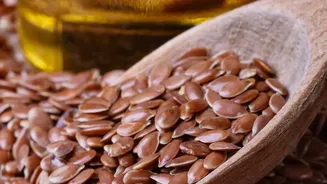
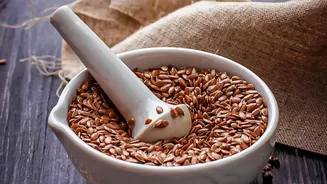
To get the most out of flaxseed, it’s best to consume it ground. While whole flaxseeds offer some fibre, their tough outer shell often allows them to pass through the digestive system intact, meaning your body misses out on the valuable omega-3s and lignans locked inside. Grinding the seeds makes these nutrients much more bioavailable. You can buy pre-ground flaxseed (often called flax meal) or grind whole seeds yourself in a coffee grinder or blender just before use. Store ground flax in an airtight container in the refrigerator to protect its delicate fats from going rancid.
The Morning Boost: Breakfast Ideas
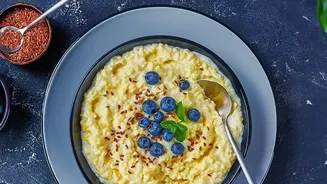
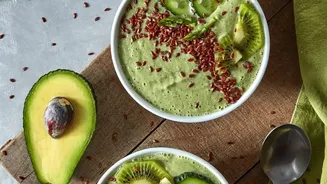
Breakfast is perhaps the easiest meal to enhance with flaxseed. A tablespoon or two of ground flax can be stirred into hot or cold cereal, oatmeal, or a bowl of yogurt for a nutty flavour and a nutritional kick. It’s also an ideal addition to smoothies, making them thicker and more satisfying. For those who enjoy baking, you can mix ground flax into pancake batter, homemade granola, or muffin recipes. Another simple trick is to add it to your morning toast by mixing it into peanut butter or sprinkling it over avocado.
Powering Lunch and Dinner
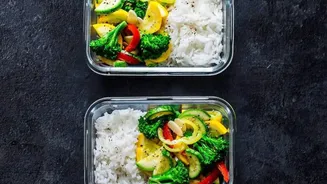
Flaxseed's mild, nutty taste allows it to blend seamlessly into savoury dishes. In Indian cuisine, roasted and ground flaxseeds can be mixed into the dough for rotis and theplas, or used to create a nutritious 'podi' or chutney powder to sprinkle over rice, idli, or dosa. You can also use ground flaxseed as a thickener for dals, curries, and soups just before serving. It works well as a binder in veggie burgers or kebabs and can be added to the breading for fried or baked chicken and fish to add extra crunch and nutrients. Some even enjoy it in a traditional Rajasthani sabzi, where ground flax is whisked into buttermilk to create a unique, earthy curry.
Smarter Snacking and Baking
Snack time is another great opportunity to include flaxseed. It's a key ingredient in many no-bake energy bites, combined with oats, nut butter, and a sweetener. When baking, you can substitute a portion of the flour in recipes for cookies, brownies, and breads with ground flaxseed for an added fibre and omega-3 boost. A mixture of one tablespoon of ground flaxseed with three tablespoons of water can also serve as a vegan egg substitute in many baking recipes; just let it sit for a few minutes to thicken before using. You can also stir it into dips like hummus or mix it into a simple bowl of cottage cheese with fruit.
How Much Is Right for You?
While there's no official recommendation, most experts suggest one to two tablespoons of ground flaxseed per day is a healthy amount for most adults. This serving provides a good dose of fibre, protein, and omega-3s. Because flaxseed is so high in fibre, it’s important to increase your intake gradually and drink plenty of water throughout the day to avoid digestive discomfort like bloating or gas. As with any supplement, it's wise to listen to your body and see what works for you.