






The Dream That Went Viral
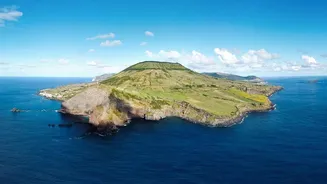
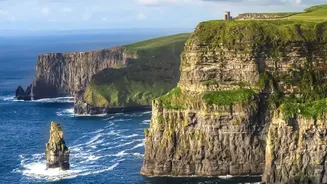
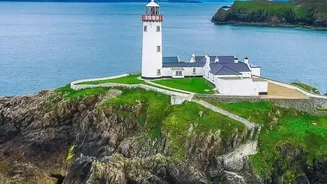
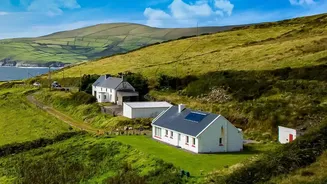
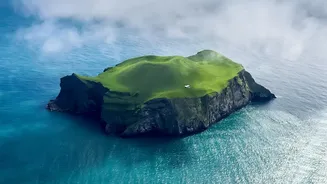
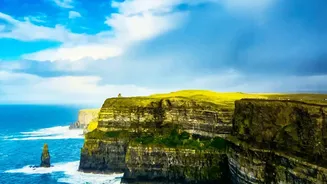
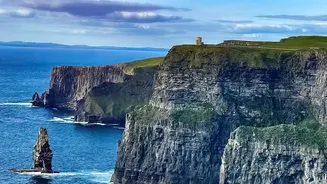
The story that captured the world's imagination was simple and incredibly appealing: Ireland is paying people nearly €84,000 (over ₹75 lakh) to relocate to one of its stunning, remote offshore islands. Social media feeds filled with images of dramatic
cliffs, quaint cottages, and a serene life far from the hustle of the modern world. The narrative suggested that in an effort to combat declining populations on islands like Árainn Mhór and Clare Island, the government was essentially handing out cash to anyone willing to embrace a new, rugged lifestyle. This led many to believe they could simply apply, get approved, and start a new life with a significant financial cushion courtesy of the Irish government. However, the reality of the programme is far more complex and significantly less like a lottery win.
The Reality: 'Our Living Islands' Policy
The initiative at the heart of the viral news is a genuine Irish government strategy called "Our Living Islands". Launched in 2023, it is a 10-year plan designed to sustain and revitalize the communities on around 30 islands that are not connected to the mainland by bridges. These communities have faced significant population decline for decades, threatening their cultural heritage and long-term viability. The policy's goal is to make island life more sustainable by improving housing, infrastructure, healthcare, education, and high-speed internet connectivity to support remote work. It is not a relocation payment scheme; it's a broad development policy to ensure these historic communities can thrive for years to come.
Decoding the €84,000 Grant
So, where does the €84,000 figure come from? It is real, but it is not a cash handout for moving. The money is part of a pre-existing nationwide scheme called the Vacant Property Refurbishment Grant. This grant is designed to encourage people to bring empty and derelict homes back into use across all of Ireland. The "Our Living Islands" policy simply offers a 20% higher rate for island properties to account for increased construction costs. The maximum grant is €60,000 for a vacant property and up to €84,000 for a derelict one—meaning it is structurally unsound. Crucially, this is a reimbursement grant. You must purchase the property, complete the renovations with your own money, and then apply to be paid back for the eligible costs up to the grant limit. The funds can only be used for specific structural work like fixing roofs, upgrading plumbing, or installing insulation, not for furniture or cosmetic redecoration.
The All-Important Catch: Who Is Eligible?
This is the most significant detail left out of the viral posts. The grant scheme is not a visa or immigration program. To be eligible, an applicant must already have the legal right to live and work in Ireland. For most people outside the EU, this is the biggest hurdle. Furthermore, you must purchase a qualifying property on one of the designated islands. The building must have been constructed before 2008 and have been vacant for at least two years. After a successful application and renovation, the owner must commit to living in the property as their primary residence or making it available for long-term rental, not as a short-term holiday let. The grant is for people who are already in a position to buy and restore a home in Ireland, not a pathway to get there.