
The Science of a Smooth Ride
The primary reason for favouring spring and summer is weather stability. Alpine weather is notoriously complex and can change rapidly, but the warmer months generally offer more predictable and safer conditions. Helicopter and light aircraft pilots, as well
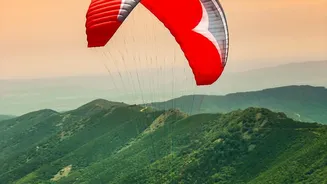
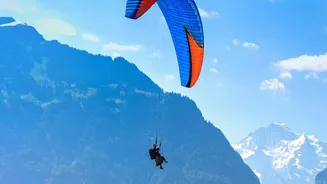
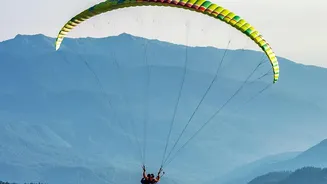
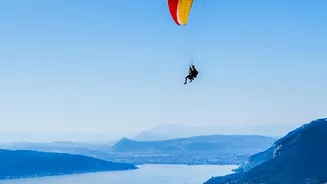
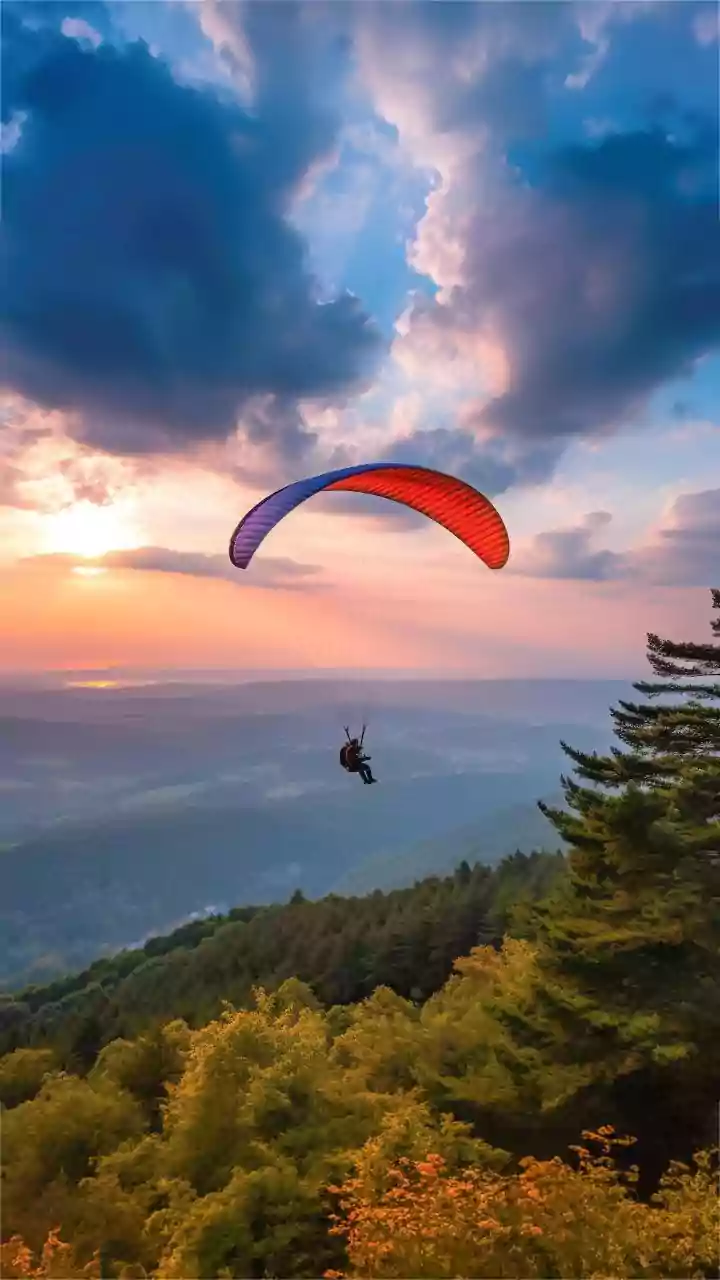
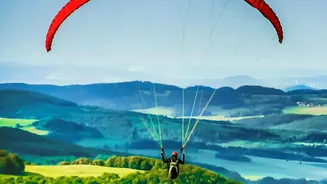
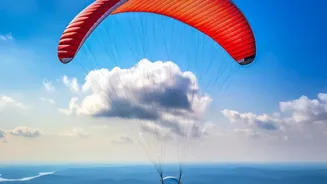
as paragliders, seek smooth air for both safety and passenger comfort. During spring and summer, the sun heats the mountain slopes, creating reliable thermal updrafts that paragliders use to gain altitude and extend their flights. For helicopter tours, calmer conditions mean less turbulence and a more enjoyable journey. In contrast, winter flying presents significant challenges. Colder, denser air can affect aircraft performance and altimeter accuracy, a phenomenon pilots know as 'the mountains are higher in winter'. The risk of sudden snowstorms, high winds, and icing on the aircraft's frame and rotors increases dramatically, making flights more hazardous.
Unparalleled Views and Golden Light
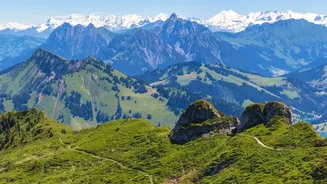
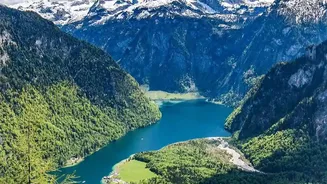
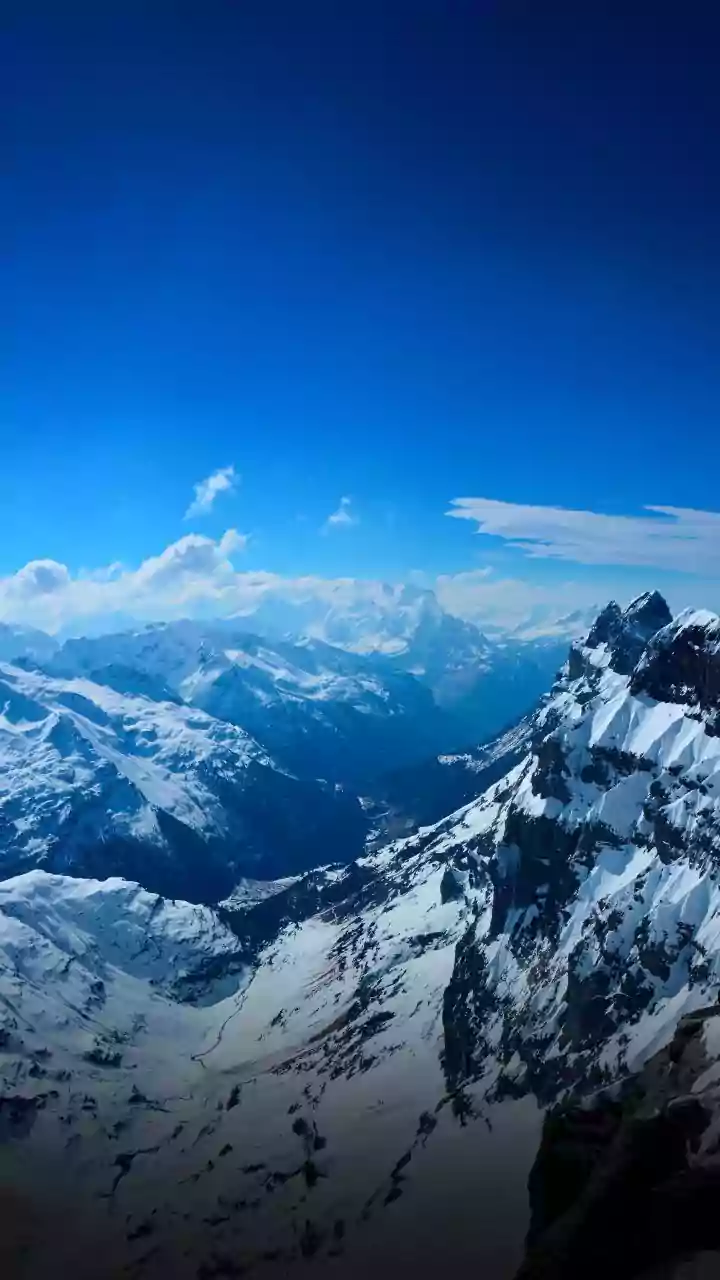
Beyond safety, the visual rewards of a spring or summer flight are unmatched. These seasons bring long daylight hours, giving pilots and travellers a wider window for exploration. The air is often clearer, offering stunning panoramic visibility of iconic peaks like the Matterhorn, Eiger, and Mont Blanc. In spring, a beautiful contrast emerges: the valleys are bursting with green and wildflowers, while the highest peaks remain brilliantly capped with snow. By summer, the landscape is a vibrant tapestry of lush meadows and shimmering turquoise lakes. Photographers particularly covet the 'golden hour' light of early mornings and late afternoons, which is more accessible with the longer days of summer and early autumn. While winter offers its own stark, beautiful scenery of snow-covered landscapes, the views can be hampered by fog, low cloud cover, and shorter days.
A Landscape Alive with Colour
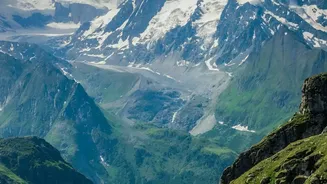
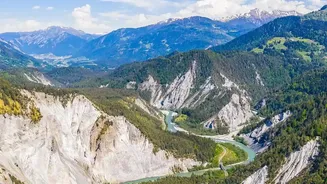
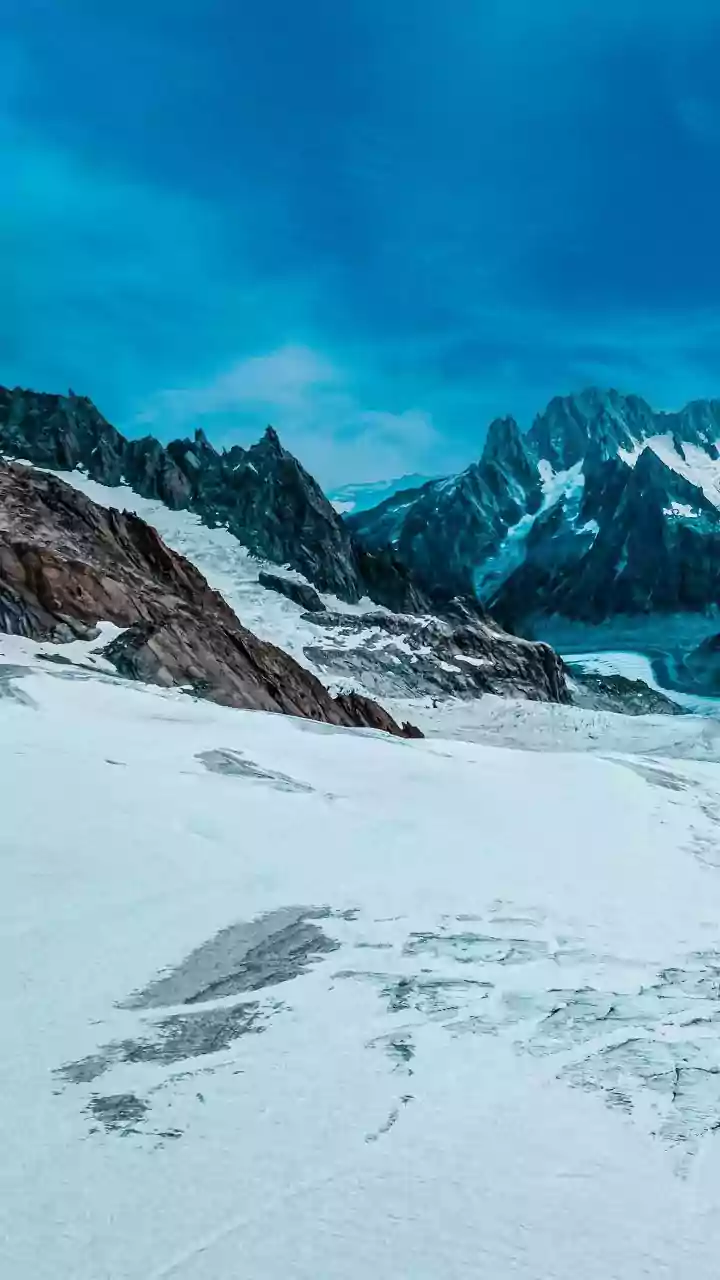
An aerial tour in the warmer months is a sensory experience. From above, you can witness the Alps transform. Late spring and early summer are arguably the most dynamic times. Snowmelt feeds powerful waterfalls that cascade down cliffs, and the valleys awaken in a riot of colour. By mid-summer, the high alpine meadows are in full bloom, a spectacle that is truly best appreciated from a bird's-eye view. Helicopter tours often have the unique ability to land on remote glaciers or pristine meadows, allowing passengers to step out and immerse themselves in a world that would otherwise take days of strenuous hiking to reach. Seeing the contrast between the deep green of the forests, the bright colours of the wildflowers, and the stark white of the glaciers is a key part of the magic that these seasons offer.
How to Plan Your Alpine Flight
While helicopter tours and tandem paragliding flights are available year-round in many parts of the Alps, the peak operating season generally runs from April or May through September or October. It is wise to book in advance, especially for travel during the peak months of July and August when demand is highest. However, flexibility is key. Alpine weather is famous for its microclimates, and flights can be postponed or rescheduled due to localized conditions like wind or fog, even on an otherwise clear day. Always check with your tour operator about their weather policies. Whether you choose a thrilling paragliding descent over Interlaken, a scenic helicopter flight around the Jungfrau region, or a journey over the vast Aletsch Glacier, planning for the right season will vastly increase your chances of having a perfect, awe-inspiring flight.