



The Initial Approval: Starlink's Gen 1
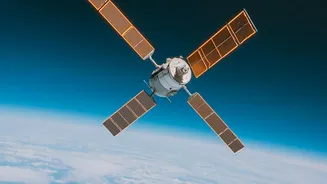
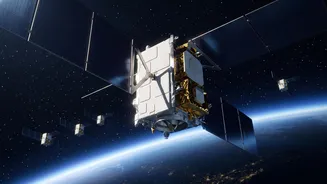
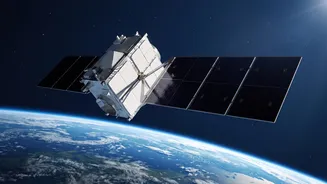
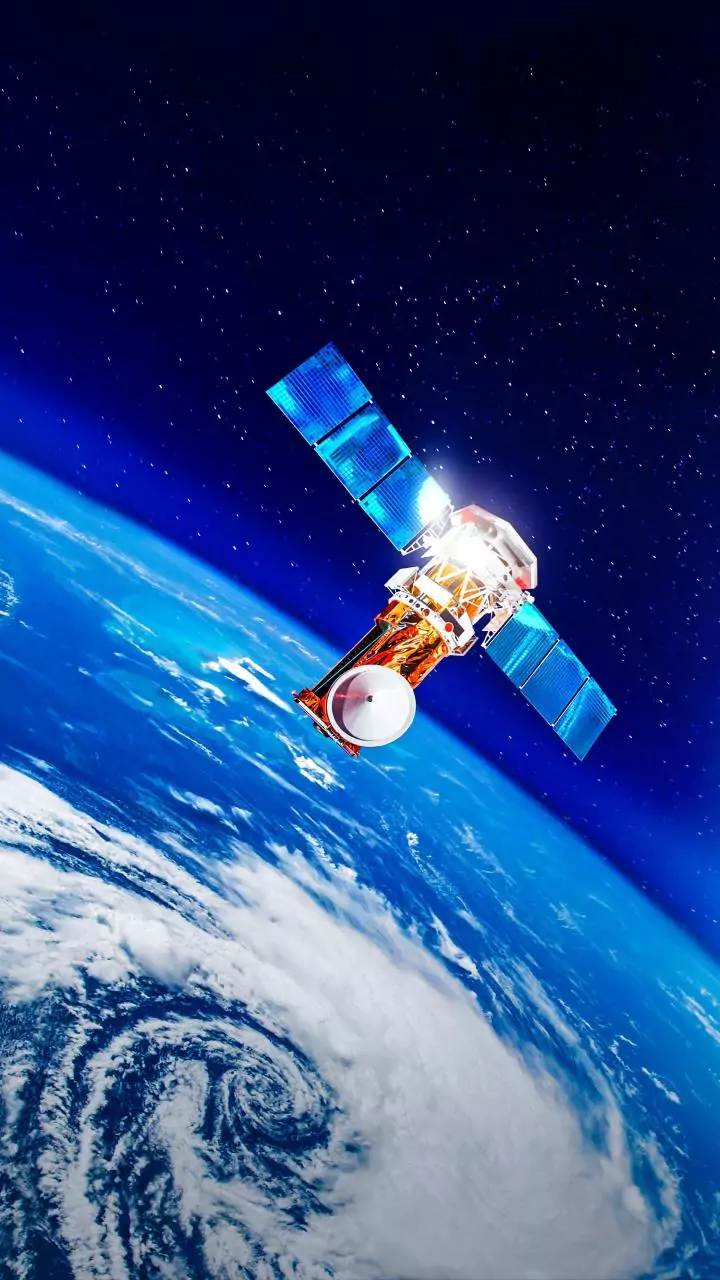
To understand the new proposal, it’s important to look at what's already on the table. In July 2025, India's space regulator, IN-SPACe, granted Starlink approval for its first-generation (Gen 1) satellite constellation. This plan involves 4,408 low-Earth-orbit
(LEO) satellites designed to provide conventional satellite broadband services. The approval positioned Starlink alongside other players like Eutelsat OneWeb and Reliance Jio, who also received clearances to build satellite communication infrastructure. The Gen 1 network was aimed at providing internet to underserved and remote areas using a satellite dish and a router, but it has not yet launched commercially due to pending security clearances and spectrum allocation rules.
What is the New, Larger 'Gen 2' Plan?
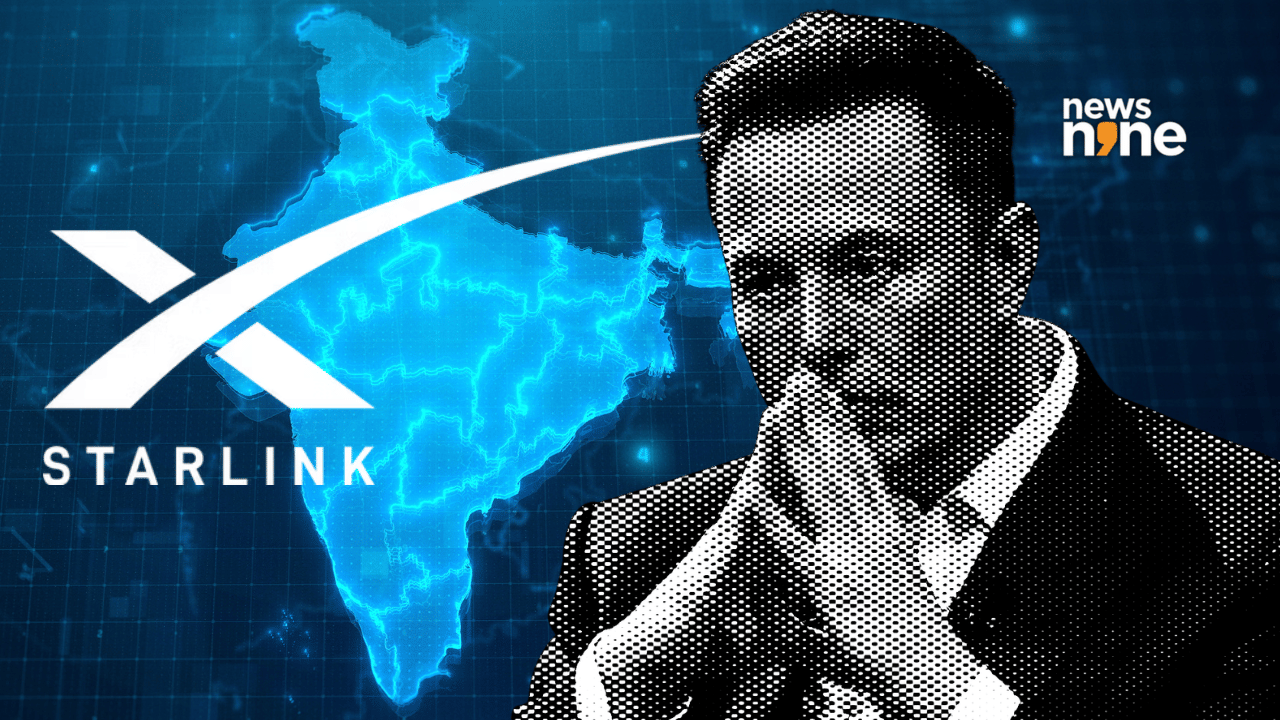
Starlink's latest application, submitted in August 2026, is for its far more ambitious Gen 2 network. Instead of just a few thousand satellites, the new proposal seeks authorisation for a constellation of nearly 30,000 satellites. This massive increase in scale is designed to support a much higher number of users and provide greater data capacity across the country. Critically, the Gen 2 plan includes a game-changing feature: direct-to-device (D2D) connectivity. This technology would allow standard mobile phones to connect directly to satellites, potentially providing a signal in areas with no mobile towers, which Elon Musk has said would help the “least served” in rural India.
Why is the Government Reviewing it so Carefully?
The massive scale and new technology of the Gen 2 proposal have prompted a thorough review by Indian regulators. An earlier Gen 2 application was rejected because some of its features and frequency bands did not align with Indian requirements. The current review is focused on several key concerns. First and foremost are national security and data sovereignty. Regulators want to ensure that data from Indian users is not routed in a way that bypasses Indian gateways and that law enforcement can conduct lawful interception when required. The D2D technology, which could connect phones directly to space, complicates this regulatory framework significantly.
Competition, Control, and 'Make in India'
Beyond security, there are major economic considerations. Approving a 30,000-satellite network from a single foreign company raises questions about market competition. Domestic telecom giants like Jio and Airtel are also developing their own satellite internet plans and have called for a level playing field, pushing for satellite firms to face the same regulatory duties as terrestrial networks. Furthermore, the move is being weighed against India’s push for self-reliance and the 'Make in India' initiative. Regulators are balancing the immediate benefit of enhanced connectivity against the long-term goal of fostering a domestic space and telecom ecosystem. The choice is between allowing a dominant foreign network to become critical infrastructure versus cultivating a mix of Indian and foreign providers.
What’s Next for Satellite Internet in India?
The path forward remains complex. Even if IN-SPACe approves the Gen 2 constellation, Starlink will still need final security clearances and spectrum allocation from the government before any commercial launch can happen. The government is currently finalising the rules for spectrum pricing and allocation, a process that involves both the Department of Telecommunications (DoT) and the Telecom Regulatory Authority of India (TRAI). The decision on Starlink's massive proposal will be a landmark moment, setting a precedent for how India integrates global satellite networks into its digital future and its ambitious goal of connecting every village.