



A New Kind of Catastrophe
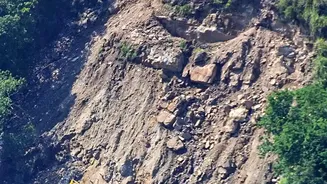
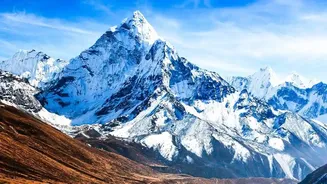
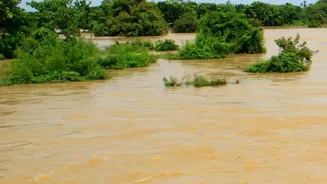
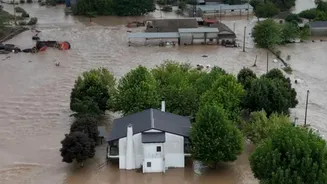
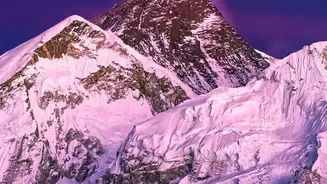
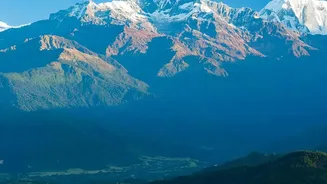
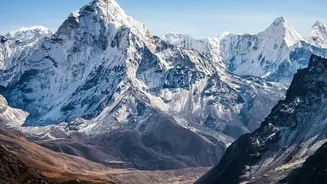
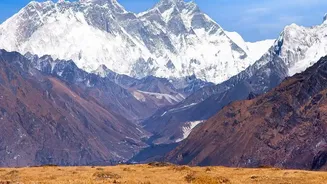
In late August 2026, a torrent of water, ice, and rock tore through river valleys in Nepal, originating from the slopes of Langtang Lirung mountain near the border with Tibet. This was not a typical monsoon flood. The event began when a colossal chunk
of rock and glacier ice, destabilized by long-term warming, broke off and plummeted into the valley below. The impact generated seismic waves equivalent to a magnitude 5.2 earthquake and instantly liquified vast amounts of ice, creating a fast-moving slurry that destroyed homes, hydropower plants, and bridges. The disaster claimed over 1,300 lives, with thousands more remaining missing, prompting a massive rescue and relief operation. This event highlights a dangerous shift from predictable, seasonal floods to complex, cascading disasters that begin high in the frozen peaks.
The Old Risks vs. The New Threats
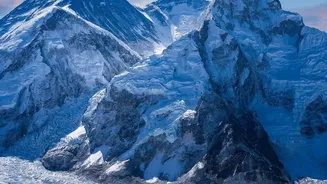
For generations, communities in Nepal and the broader Himalayan region have adapted to the rhythms of the monsoon. Flooding was a known, albeit dangerous, part of life. Disaster preparedness has traditionally focused on riverine floods caused by heavy seasonal rains. However, climate change is introducing new and more unpredictable hazards. Scientists point to two primary game-changers: the thawing of permafrost and the rapid melting of glaciers. As global temperatures rise, the permanently frozen ground that acts as a glue for steep mountain slopes is weakening. This, combined with retreating glaciers, increases the likelihood of catastrophic rock and ice avalanches like the one that triggered the recent Nepal floods.
GLOFs: A Ticking Time Bomb
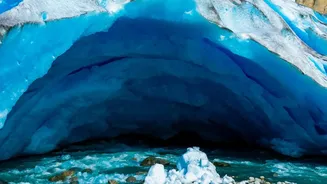
One of the most significant new threats is the Glacial Lake Outburst Flood, or GLOF. As glaciers melt at an alarming rate, the water pools behind natural dams made of loose rock and debris (moraine). These lakes can be massive, and their dams are often unstable. An earthquake, a landslide, or even the sheer pressure of the growing volume of water can cause them to burst suddenly. The result is a catastrophic release of water downstream, a flood far more powerful and destructive than a rain-fed one. Nepal has experienced 24 such GLOF events in its recent past, and as temperatures continue to climb, the number and size of these potentially dangerous glacial lakes are growing, posing a severe threat to the nearly two billion people who rely on Himalayan river systems.
The Unpredictable Monsoon
Climate change isn't just melting ice; it's also making the monsoon itself more erratic. The weather patterns that once brought reliable, season-long rains are changing. Now, the region often experiences long dry spells punctuated by bursts of extremely intense rainfall. A warmer atmosphere can hold more moisture, meaning that when it does rain, the downpours are heavier and more likely to trigger flash floods and landslides on slopes already destabilized by development and deforestation. This intensification of rainfall, sometimes interacting with other weather systems like western disturbances, adds another layer of risk to an already vulnerable region.
A Shared Regional Challenge
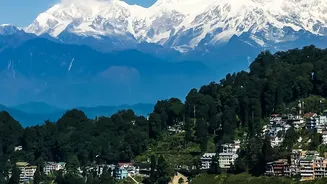
The disaster in Nepal is a wake-up call for the entire Himalayan region, including India, Bhutan, and Pakistan. These new climate-driven risks do not respect international borders. The August 2026 event began in Tibet before causing devastation in Nepal. A similar event in Sikkim in 2023, where a GLOF destroyed a major dam, showed how quickly these disasters can escalate. The growing infrastructure, particularly hydropower projects, in these narrow river valleys increases the potential for catastrophic losses. Addressing this evolving threat requires a new level of regional cooperation on monitoring, early warning systems, and sustainable development policies that account for the changing mountain environment. Nepal has even sought financial support from the UN's loss and damage fund, arguing that the disaster is directly linked to a climate crisis it did little to create.