





The Surprising Soul of a Simple Sweet
The idea of a potato-based dessert might seem unusual, but Aloo Halwa is a beloved classic, particularly in North India. Its genius lies in transformation. A humble, savoury vegetable is turned into a rich, decadent sweet that melts in your mouth. This
dessert is especially popular during religious fasts (vrat), such as Navratri, where grain-based foods are avoided. This context is key to understanding its minimalist nature; fasting recipes often call for a limited palette of ingredients, proving that complexity isn't a prerequisite for deliciousness. The beauty of this halwa is that it’s quick, filling, and deeply satisfying without a long list of fancy items.
The Foundational Trio
While many recipes exist, the essence of Aloo Halwa is built on three pillars. First is the potato itself. Boiled and mashed until completely smooth, the potato provides a starchy, creamy base that is surprisingly neutral, ready to absorb other flavours. The second, and arguably most crucial, is ghee. Using clarified butter is non-negotiable for achieving the authentic nutty aroma and rich flavour. Ghee doesn't just add taste; it facilitates the essential roasting process that cooks out the raw potato flavour. Finally, sugar provides the sweetness, while fragrant green cardamom powder adds that quintessential aroma that instantly signals a classic Indian mithai. Together, these three ingredients create a perfect harmony of texture and taste.
Mastering the Simple Technique
The process of making Aloo Halwa is straightforward but requires patience and constant attention. It begins by heating a generous amount of ghee in a heavy-bottomed pan. The mashed potatoes are then added and must be sautéed continuously over a low to medium flame. This is the most critical step. You are not just heating the potato, but roasting it. Initially, the potato will absorb all the ghee, but as you continue to stir, it will slowly change colour, turning a pale golden brown and releasing a wonderful aroma. This can take anywhere from 10 to 15 minutes. Once roasted, sugar is added. The mixture will become loose and almost liquid-like as the sugar melts, but don't panic. Continue stirring, and it will thicken again, pulling away from the sides of the pan and becoming glossy as it releases the ghee it once absorbed. A final stir with cardamom powder completes the dish.
To Garnish or Not to Garnish
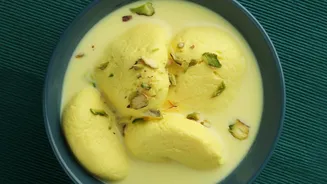
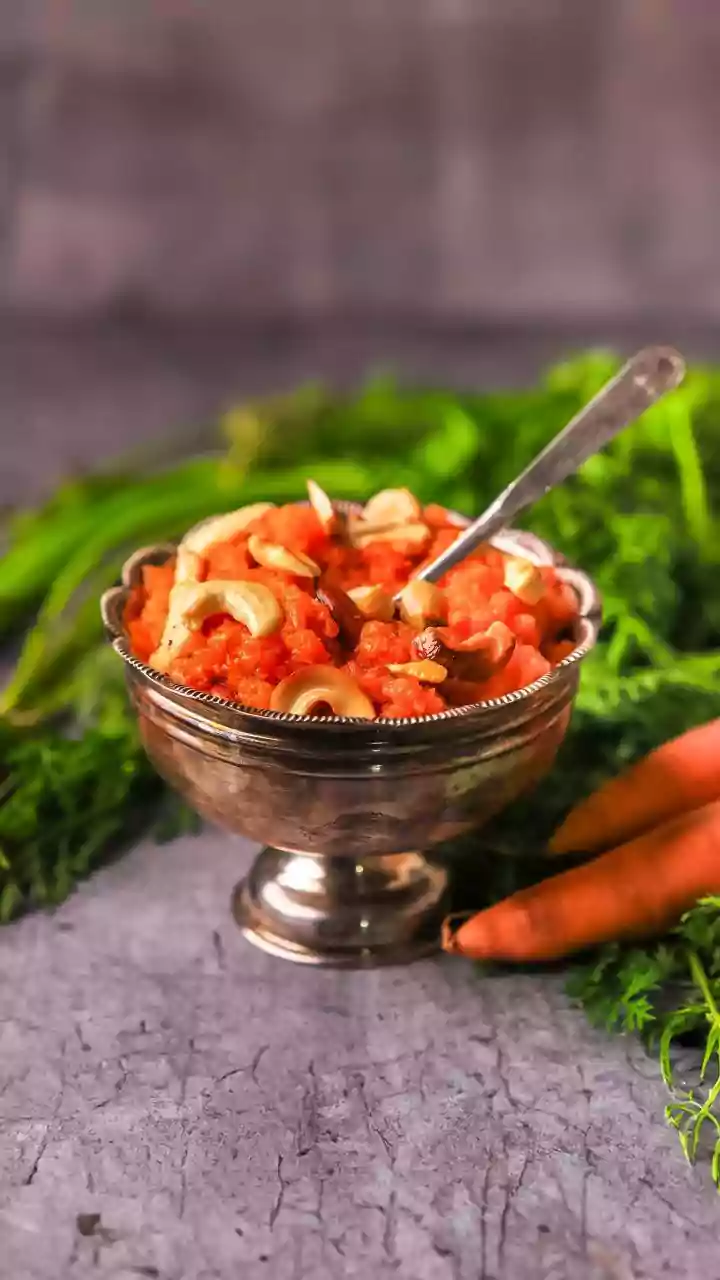
While the soul of the dish is its simplicity, there's always room for a little flourish. Many recipes suggest adding a splash of milk along with the sugar for a creamier consistency. A few strands of saffron, soaked in warm milk, can be added for a beautiful colour and subtle fragrance. The most common addition is a scattering of nuts. Toasted almonds, pistachios, or cashews provide a welcome textural contrast to the soft, smooth halwa. However, these are all optional enhancements. The halwa, made with just potatoes, ghee, sugar, and cardamom, is complete and delicious on its own. These additions are merely grace notes to an already beautiful melody.