



The Science of Sweetness
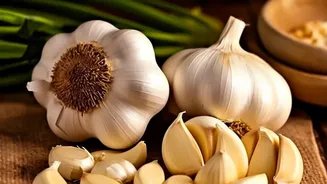
The transformation of garlic in the oven is a beautiful piece of kitchen chemistry. Raw garlic's aggressive bite comes from a compound called allicin, which is created only when the clove's cell walls are ruptured by chopping or crushing. This is why
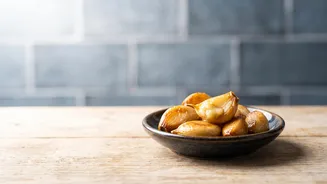
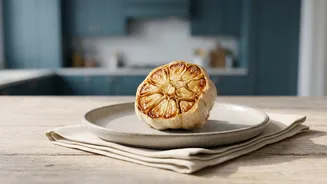
minced garlic tastes so much stronger than a whole clove. However, when you introduce slow, consistent heat through roasting, that process changes entirely. The harshness mellows, and the natural sugars within the garlic begin to caramelise. This process, known as the Maillard reaction, is the same one that gives seared steak and toasted bread their delicious complexity. The result is a complete personality change: the garlic becomes deeply savoury, nutty, and noticeably sweet, with a soft, spreadable texture. Instead of dominating a dish, it adds a layer of rich, mellow flavour.
How to Roast Garlic Perfectly
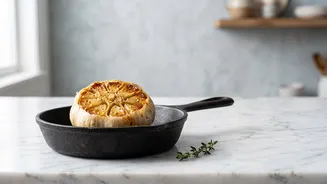
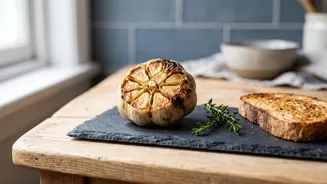
Achieving perfectly soft and caramelised garlic is simple and requires minimal effort. The most common method involves roasting a whole head. Start by preheating your oven to 400°F (200°C). Take a whole garlic bulb and, using a sharp knife, slice off the top quarter-inch to expose the tops of the cloves inside. Place the head on a piece of aluminium foil, drizzle it generously with olive oil, ensuring the oil seeps down between the cloves, and sprinkle with a pinch of salt. Wrap the foil around the garlic to create a sealed packet. Place it in the oven and roast for about 35 to 45 minutes. You'll know it's ready when the cloves are golden brown, fragrant, and feel very soft when squeezed. Let it cool for a few minutes before handling. To use, simply squeeze the base of the bulb, and the creamy, roasted cloves will slide right out.
A Star in Pasta Dishes
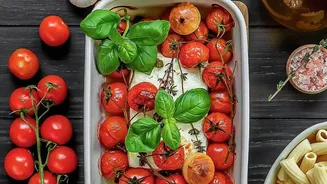
Roasted garlic brings a sublime depth to pasta that raw garlic can't match. For an incredibly simple yet flavourful sauce, melt butter in a pan, squeeze in the roasted garlic cloves, and mash them into the butter. Toss with hot spaghetti and a splash of the starchy pasta water to create a creamy coating. Finish with a sprinkle of Parmesan cheese and fresh parsley. It also serves as an amazing base for more complex sauces. Mash the roasted garlic into your regular tomato sauce to add a sweet, umami backbone, or blend it into a creamy Alfredo or mac and cheese sauce for a sophisticated twist.
Unbeatable on Toasts and in Dips
One of the most satisfying ways to enjoy roasted garlic is to simply spread the warm, soft cloves directly onto a piece of crusty toast like butter. For the ultimate garlic bread, mash a whole head of roasted garlic into softened butter with some chopped herbs, spread it on bread, and bake until golden. Its creamy consistency also makes it a perfect ingredient for dips. Blend roasted garlic into homemade hummus for a smoother, sweeter flavour. For a crowd-pleasing appetiser, mix mashed roasted garlic with cream cheese, sour cream, mayonnaise, and grated Parmesan, then bake until bubbly and serve with crackers or vegetable sticks.
The Perfect Partner for Vegetables
Roasted garlic has a natural affinity for vegetables, enhancing their earthy flavours without overpowering them. Toss whole roasted cloves with roasted root vegetables like carrots, potatoes, and parsnips during the last 10 minutes of cooking. For a simple side dish, mash roasted garlic with a bit of olive oil and toss it with steamed green beans or asparagus. It’s also a game-changer for mashed potatoes; simply whip the soft cloves into your potatoes along with butter and cream for a rich, garlicky mash that is second to none. You can even blend roasted garlic into a vinaigrette to create a mellow, flavourful dressing for salads.
Storing Your Roasted Gold
It makes sense to roast several heads of garlic at once to have on hand. Once cooled, you can store the roasted cloves in an airtight container in the refrigerator for up to four days. It's crucial not to store roasted garlic submerged in oil at room temperature, as this can create an environment for the growth of Clostridium botulinum, the bacteria that causes botulism. For longer-term storage, the freezer is your best option. You can freeze the whole cloves on a baking sheet before transferring them to a freezer-safe bag. They will last for several months and can be thawed as needed.